
Planting
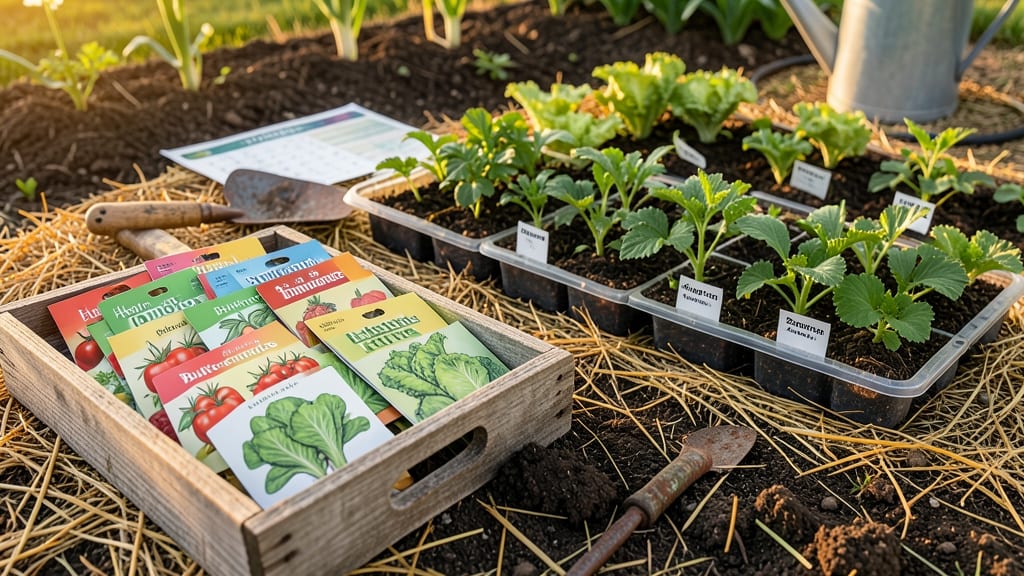
To plant a vegetable garden in Missouri, time your crops between mid-March and late April for spring and late July to mid-August for fall—missing these windows risks frost damage or stunted growth.
Missouri’s unpredictable climate can make or break your vegetable garden—planting too early risks frost damage, while waiting too long cuts your harvest short. Master the perfect timing for each crop using Missouri’s frost zones and soil temperatures.
With USDA zones ranging from 5b to 7a, your location dictates everything from when to sow peas (by March 15 in Zone 5) to when tomatoes can handle the heat (after May 1 in Zone 7).
Below, I’ll break down the exact planting schedule for cool-season greens, heat-loving tomatoes, and everything in between—plus 5 pro tips to stretch your growing season and avoid common mistakes.
Missouri’s frost dates and planting zones: key timelines by region
Missouri spans USDA hardiness zones 5b through 7a, meaning frost dates vary dramatically from north to south. In Zone 5b (northern MO), gardeners face late spring frosts (often until May 1), while Zone 7a (southern MO) enjoys earlier last frosts (as early as March 15).
These differences dictate when to plant cool-season crops like lettuce versus warm-season crops like tomatoes.
According to Missouri State University’s 2024 projections, the average last frost date hovers around April 15 statewide, but your local microclimate can shift this by 2-3 weeks.
For example, St. Louis (Zone 6b) typically sees its last frost by April 10, while Kansas City (Zone 6a) may wait until April 25. Understanding these timelines helps you avoid frost damage while maximizing your harvest.
First frost dates also vary, with northern Missouri experiencing frost as early as October 1, while southern regions often hold off until November 15. This 100-day window between last and first frost defines your primary growing season—critical for planning succession plantings of crops like beans or carrots.
Here’s how Missouri’s frost zones break down for cool-season vs. warm-season crops:
| Region/Zone | Avg. Last Frost | Avg. First Frost | Cool-Season Planting Window | Warm-Season Planting Window |
|---|---|---|---|---|
| Northern MO (5b) | May 1 | October 1 | March 1 – April 15 | May 15 – June 1 |
| Central MO (6a) | April 15 | October 15 | March 15 – April 30 | April 20 – May 10 |
| St. Louis (6b) | April 10 | October 20 | March 1 – April 20 | April 15 – May 1 |
| Southern MO (7a) | March 15 | November 15 | February 15 – April 1 | March 15 – April 1 |
*Data sourced from Missouri State University 2024 climate projections
For cool-season crops like spinach, peas, and broccoli, plant 4-6 weeks before your last frost date. In Zone 5b, this means starting seeds indoors by February 1 for early spring harvests.
Meanwhile, warm-season crops such as tomatoes and peppers need soil temperatures above 60°F, so wait until 2-3 weeks after your last frost—typically May 1–June 1 depending on your zone.
Missouri’s microclimates add another layer of complexity. Urban areas like Columbia often experience earlier last frosts due to the "urban heat island" effect, while rural farmland may see later frosts. To refine your timeline, check local weather station data or use frost-free calculators from the Missouri Botanical Garden.
For example, Kansas City’s last frost can vary by 10 days between years, so always have row covers ready for late-May surprises.
Soil temperature matters just as much as air temperature. Cool-season crops thrive in 45–65°F soil, while warm-season crops need 70°F+. Use a soil thermometer to confirm readiness—especially in Zone 5b, where slow soil warming can delay planting by 2 weeks.
Pro tip: Black plastic mulch can raise soil temps by 5–10°F, giving you an earlier planting window for heat-loving crops.
Don’t overlook fall planting, which can extend your harvest into October or November. In Zone 7a, you can plant cool-season crops as late as August 15 for a fall harvest.
Use fast-maturing varieties (e.g., ‘Early Wonder’ peas) to beat the first frost. For Zone 5b,
Best planting schedule for Missouri vegetables: cool-season vs. warm-season crops
Timing is everything in Missouri’s vegetable garden, where cool-season crops thrive in spring and fall while warm-season varieties need summer’s heat. I’ve planted for years in Zone 6/7 and learned that even a week’s delay can mean missed harvests.
Start with cool-season crops like lettuce and peas in March-April, then shift to tomatoes and peppers after the last frost date (typically April 15).
Missouri’s 150-200 frost-free days demand smart planning. For example, heat-tolerant varieties like ‘Celebrity’ tomatoes or ‘Jupiter’ peppers perform best in our Zone 6/7 summers. Meanwhile, succession planting for lettuce every 2 weeks ensures continuous harvests. Let’s break down the month-by-month schedule to maximize your garden’s potential.
| Crop Type | Cool-Season Crops | Warm-Season Crops | Succession Planting Tip |
|---|---|---|---|
| Planting Window | March–April August–September |
May–June July (for fall harvest) |
Stagger plantings every 2 weeks for continuous harvest |
| Top Crops | Lettuce, Spinach, Peas, Onions, Carrots, Broccoli | Tomatoes, Peppers, Cucumbers, Beans, Corn, Eggplant | Prioritize heat-tolerant varieties in Zone 6/7 |
| Soil Temp | 40–55°F (4–13°C) | 60–70°F (15–21°C) | Use black plastic mulch to warm soil for warm-season crops |
| Missouri Deadlines | Last frost: April 15 Fall planting: August 1 |
Start indoors: March 1 Transplant after: May 10 |
Plant fast-maturing varieties (50–60 days) for fall |
| Zone 6/7 Tips | Use row covers for early starts | Choose ‘Heatmaster’ tomatoes or ‘Carolina Cayenne’ peppers | Harvest cool-season crops before October 15 frost |
For cool-season crops, I always start with peas and spinach in early March—these tolerate light frosts and give quick rewards. In Zone 6/7, I’ve had success with ‘Sugar Snap’ peas planted by March 15 and harvested by May.
Meanwhile, onions and carrots can handle Missouri’s unpredictable spring if sown by April 1.
Warm-season crops need patience. I begin tomato and pepper seeds indoors in early March, then transplant after May 10 when soil temps hit 60°F. In my garden, ‘Better Boy’ tomatoes planted by May 15 yield until September.
For succession planting, I sow bush beans every 3 weeks from June to July, ensuring fresh pods all summer.
Don’t overlook fall planting—it’s your second chance! I plant lettuce and kale in August for harvests before the October 15 frost. Use fast-maturing varieties like ‘Black Seeded Simpson’ lettuce (30 days) to beat the clock.
For warm-season holdovers, extend the season with row covers on peppers and tomatoes.
Missouri’s climate rewards those who plan ahead. By following this month-by-month schedule and choosing heat-tolerant varieties, you’ll turn your garden into a year-round harvest machine. Start with cool-season crops in spring, shift to warm-season powerhouses in summer, and squeeze in a fall harvest before frost. Happy planting! 🌱