
Planting
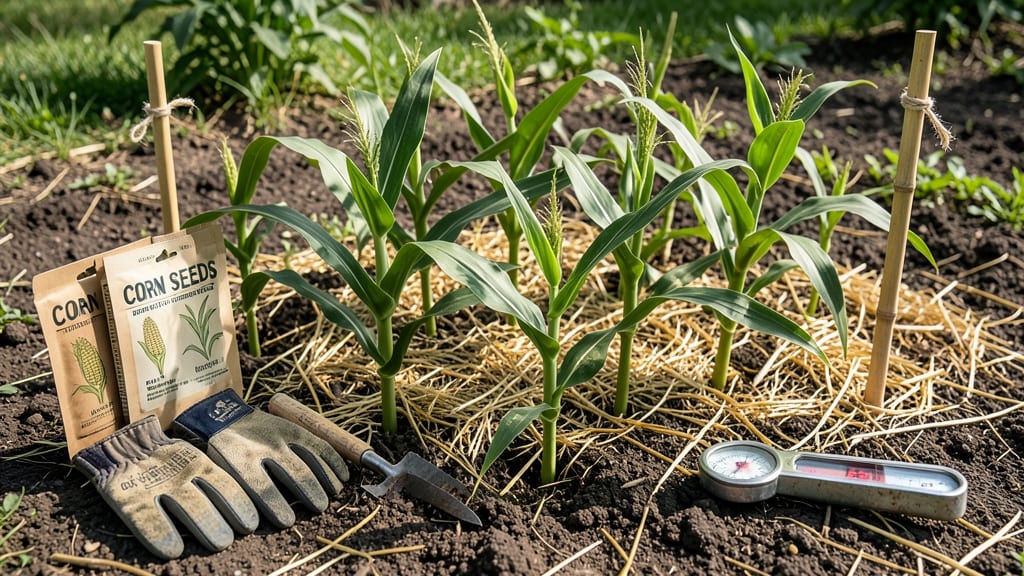
To plant a vegetable garden in Iowa, time your crops between mid-April and early June for spring plantings, or late July to mid-August for fall harvests—this aligns with the state’s 5a-5b USDA zones and frost-free windows.
Iowa’s unpredictable frost dates can make or break your vegetable garden—plant too early, and you risk losing your hard work to late frosts; too late, and you’ll miss peak harvests. Timing is everything, especially when balancing the state’s USDA zones 3-5 with regional microclimates.
Cool-season crops like lettuce and peas thrive when sown 4-6 weeks before the last frost, while warm-season favorites such as tomatoes and peppers need soil temperatures above 55°F to germinate. Missing these windows can mean the difference between a bountiful harvest and a disappointing flop.
Below, I break down the exact planting schedule for Iowa’s top vegetables, including regional frost date variations, soil prep tips, and strategies to extend your growing season—so you can grow more without the guesswork.
Iowa’s frost dates by region: key planting windows for cold-hardy vegetables
Iowa’s frost dates vary dramatically across its USDA zones 3-5, creating distinct planting windows for your cold-hardy vegetables.
In northern Iowa, like Sioux City, the last frost often lingers until May 15, while southern regions like Des Moines typically see their final frost by April 20.
These differences mean your spinach, kale, and peas can thrive in one area but risk frost damage in another.
Understanding these regional patterns helps you align your planting schedule with nature’s timeline. For example, Cedar Rapids usually has a 10-day window between its average last frost and Des Moines’, giving gardeners in the east a head start on cool-season crops.
Local weather patterns, like lake-effect cooling near Iowa’s waterways, can also shift frost dates by a week or more.
Here’s how to use Iowa’s frost dates to your advantage for cold-hardy vegetables, with specific planting windows for each region:
| Region | Avg. Last Frost | Avg. First Frost | Plant Cool-Season Crops | Plant Warm-Season Crops |
|---|---|---|---|---|
| Northern Iowa (Sioux City) | May 15 | October 5 | April 1 - May 1 | May 25 - June 10 |
| Central Iowa (Des Moines) | April 20 | October 15 | March 15 - April 1 | May 1 - May 15 |
| Southern Iowa (Cedar Rapids) | April 10 | October 20 | March 1 - March 15 | April 25 - May 5 |
For cool-season vegetables, like spinach and peas, plant 4-6 weeks before your region’s average last frost. In Des Moines, that means starting seeds indoors by February 15 for an early spring harvest.
Meanwhile, kale and broccoli can handle lighter frosts, so you can sow them as early as March 1 in southern Iowa.
In Sioux City, where frosts linger later, focus on hardy varieties like Swiss chard or rutabaga, which tolerate 20°F temperatures. These crops give you a longer harvest window before the first frost in early October.
Always check the Iowa State University Extension for year-specific updates, as frost dates can shift by 1-2 weeks due to climate variability.
Microclimates also play a role. Gardens near urban areas or large bodies of water may experience 5-7°F warmer soil temperatures, allowing you to plant 1-2 weeks earlier. Use frost cloth or row covers to extend your growing season in colder microclimates, especially in northern Iowa.
Timing your fall planting is just as critical. In Cedar Rapids, you can sow spinach and radishes as late as August 15 for a harvest before the first frost. In Des Moines, aim for July 30 to avoid late-summer heat stress.
Always account for your crop’s maturity time—bush beans (50 days) differ drastically from winter squash (90+ days).
Pro tip: Use soil thermometers to confirm when soil reaches 40°F for cool-season crops or 60°F for warm-season starters like tomatoes. This beats relying solely on frost dates, which only tell part of the story.
Pair this data with your local frost-free days—Iowa averages 165 frost-free days, but northern areas may see just 140 days.
By aligning your planting schedule with Iowa’s regional frost dates, you’ll maximize your garden’s potential. Start with cool-season crops in early spring, transition to warm-season plants after the last frost, and plan a fall garden 3-4 months before the first frost.
With this strategy, you’ll enjoy fresh homegrown vegetables from April through October—no matter where you garden in Iowa. 🌱
Best planting schedule for Iowa’s top vegetables: warm-season vs. cool-season crops
Iowa’s 165 frost-free days create a tight window for growing vegetables. Warm-season crops like tomatoes and corn need consistent warmth, while cool-season crops such as lettuce and carrots thrive in cooler temperatures. Planning your garden around these differences ensures a bountiful harvest.
For spring planting, start warm-season crops indoors 6-8 weeks before your last frost date (typically mid-April in most of Iowa). Meanwhile, cool-season crops can go directly into the garden as early as late March in southern Iowa or April in northern regions.
| Vegetable | Spring Planting | Fall Planting | Succession Planting | Heat-Tolerant Variety |
|---|---|---|---|---|
| Tomatoes | After last frost (May) | Not recommended | Every 2 weeks | 'Heatmaster' or 'Solar Fire' |
| Corn | Late April to early May | N/A | Plant in blocks | 'Golden Bantam' |
| Green Beans | After last frost (May) | Late July to early August | Every 3 weeks | 'Contender' |
| Lettuce | March to April | August to September | Every 2 weeks | 'Romaine' |
| Carrots | April to early June | July to August | Every 3 weeks | 'Danvers' |
For fall gardens, focus on cool-season crops planted 8-10 weeks before your first frost (mid-October). Lettuce and carrots can still thrive in cooler weather, while beans and tomatoes won’t survive the chill. Use row covers to extend the season for heat-sensitive varieties like spinach or kale.
Succession planting is key in Iowa’s short growing season. For warm-season crops, stagger plantings every 2 weeks to ensure a continuous harvest. For cool-season crops, plant every 3 weeks in spring and again in late summer for a fall harvest.
This technique maximizes your garden’s potential and reduces waste.
Choose heat-tolerant varieties like 'Heatmaster' tomatoes or 'Contender' beans to push your growing season later into summer. These varieties can handle Iowa’s 90°F+ temperatures better than traditional types, giving you a longer harvest window before fall frosts arrive.