
Picking
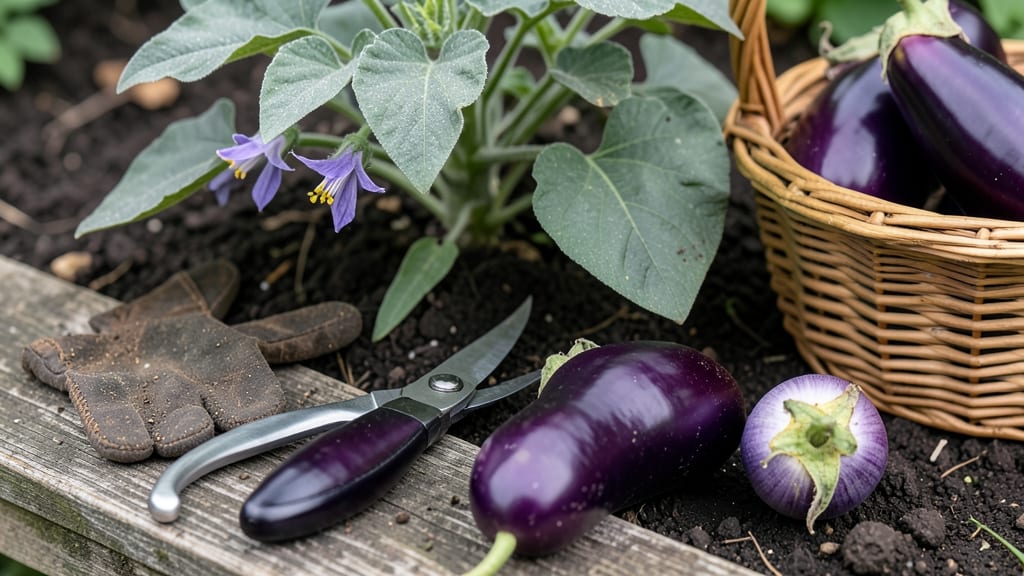
Knowing when to pick eggplant from your garden ensures tender, flavorful fruit that transforms your dishes from good to unforgettable.
Eggplant lovers know the frustration of harvesting too early—mealy flesh and bitter flavors ruin the dish. But timing your pick perfectly ensures tender, flavorful fruit that shines in every recipe.
Most varieties reach peak ripeness when their skin shifts from green to a deep, glossy purple or black 🍆, usually between 75 and 90 days after planting. Size matters too: aim for fruit that feels heavy for its size, with a firm texture and no soft spots.
In this guide, I’ll walk you through the color and size clues to spot perfectly ripe eggplant, plus the best time of day to harvest and how to store your bounty for maximum shelf life.
How to tell when eggplant is fully ripe using color and size
Harvesting eggplant at the right moment transforms your dish from bland to extraordinary. The key lies in watching for three critical signals: color intensity, firmness, and size. Unlike many fruits, eggplants don't ripen further after picking, so timing matters.
I've learned the hard way—overripe eggplants turn seedy and bitter, while underripe ones stay tough and pale.
Most gardeners focus only on color, but size and texture are equally important. A fully ripe eggplant should feel heavy for its size, with skin that's firm but slightly yielding when pressed.
These visual and tactile cues work together to guarantee peak flavor. Let's break down each signal so you can confidently harvest your homegrown bounty.
| Ripeness Indicator | Ready Eggplant | Not Ready | Pro Tip |
|---|---|---|---|
| Color | Deep, glossy purple/black (or variety-specific hue) | Green, pale, or uneven coloring | Check underside—should match top color |
| Size | 6-12 inches long (varies by variety) | Small, still growing rapidly | Compare to store-bought—homegrown ripens larger |
| Texture | Firm but slightly soft when pressed | Hard or spongy | Press gently—should dent slightly but not feel mushy |
| Weight | Feels heavy for its size | Lightweight, hollow-sounding when tapped | Tap gently—ripe eggplants sound solid |
| Stem Test | Stem snaps cleanly when bent | Stem bends but doesn't snap | Test 2-3 fruits per plant for consistency |
Color is the most obvious clue, but it varies by variety. Black Beauty eggplants turn deep purple-black, while Ichiban stays white. The key is consistency—ripe eggplants develop uniform color from top to bottom.
I always check the underside where sunlight doesn't reach; if it matches the top, your eggplant is ready.
Size matters more than you might think. Most varieties reach 6-12 inches at maturity, but some like Rosa Bianca stay smaller. Compare your eggplant to store-bought ones—they're often harvested early for shipping.
Let yours grow larger for better flavor. My Ichiban plants produce 4-inch fruits that pack intense sweetness when fully ripe.
Texture reveals the most about ripeness. A ripe eggplant should yield slightly when pressed but not feel mushy. I use my thumb to gently press the skin—if it leaves a slight dent that rebounds quickly, it's perfect.
Overripe eggplants feel soft and may bruise easily, while underripe ones stay rock-hard. This tactile test saves me from harvesting too soon.
Weight is a surprising indicator. Ripe eggplants feel surprisingly heavy for their size because they're packed with flesh. I often hold two fruits in each hand to compare—one ripe and one not.
The ripe one feels noticeably denser. This trick works especially well for long, slender varieties like Ping Tung Long, where size can be deceiving.
Don't ignore the stem when checking ripeness. The stem-snap test is my favorite trick: gently bend the stem near the fruit. If it snaps cleanly, your eggplant is ready. A stem that bends without breaking means it needs more time.
This test prevents overripe fruit from developing seedy centers. I perform this check every 2-3 days during peak harvest season.
Timing your harvest based on these signals prevents common mistakes. I've learned that morning harvests yield the best results—eggplants are cooler and firmer first thing. Avoid harvesting after heavy rain when fruits may be waterlogged.
Store ripe eggplants at room temperature for 2-3 days or refrigerate for up to a week to preserve freshness.
Remember that eggplants won't ripen further after picking, so don't wait too long. If you're unsure, harvest slightly early—you can always use underripe eggplants in cooked dishes where texture matters less. My Black Beauty
Common mistakes that cause eggplant to ripen too early or late
Eggplants are finicky about timing, and even small errors in care can send your harvest off schedule. Overwatering or underfeeding are two of the biggest culprits, but many gardeners also ignore subtle plant signals that reveal ripening issues.
These mistakes often lead to premature fruit with seedy interiors or underripe eggplants that never reach their full flavor potential.
One of the most common errors is overwatering, which stresses the plant and triggers early ripening. Eggplants need consistent moisture, but soggy soil disrupts nutrient uptake and weakens the plant's ability to support healthy fruit development.
Similarly, underfeeding during the flowering and fruiting stages starves the plant, causing fruit to mature unevenly or fail to reach full size.
Another frequent mistake is ignoring plant signals like leaf color or fruit firmness. Yellowing leaves or wilting flowers often indicate stress, while soft or spongy eggplants signal overwatering or disease pressure.
These signs are your plant's way of saying, "Something's wrong—help me!" By the time you notice these symptoms, your eggplants may already be on a fast track to premature ripening.
⚠️ Warning: Overwatering vs. Underwatering
Overwatering causes:
- Premature ripening (fruit turns color too soon)
- Blossom-end rot (blackened tips on eggplants)
- Fungal diseases (like powdery mildew)
Underwatering causes:
- Stunted growth (small, underdeveloped fruit)
- Bitter flavor (due to stress)
- Uneven ripening (some fruit matures faster than others)
Fix it: Water deeply every 2-3 days in morning, and always check soil moisture 1 inch below the surface before watering.
Temperature swings also play a role in ripening delays. Eggplants thrive in warmth (70-85°F), but sudden cold snaps or late-season heatwaves can stall fruit development.
If your eggplants are taking forever to ripen, check your local frost dates—some varieties simply won’t mature if planted too late in the season. For example, Black Beauty needs at least 75 days of warm weather, while Ichiban can handle slightly cooler conditions.
To correct these issues, start by adjusting your watering routine. Let the top 1-2 inches of soil dry out between waterings, and always water at the base of the plant to avoid wetting the leaves (which promotes disease).
For feeding, switch to a balanced fertilizer (10-20-20) every 4-6 weeks during the growing season, focusing on phosphorus to encourage flowering and fruiting.
Finally, pay attention to your eggplant’s growth habits. If you notice flowers dropping off or fruit staying small, the plant may need more pollination support. Gently shake the plants in the morning or hand-pollinate with a small brush.
With these adjustments, you’ll steer clear of early or late ripening and enjoy eggplants at their peak—glossy, firm, and bursting with flavor.