
Picking
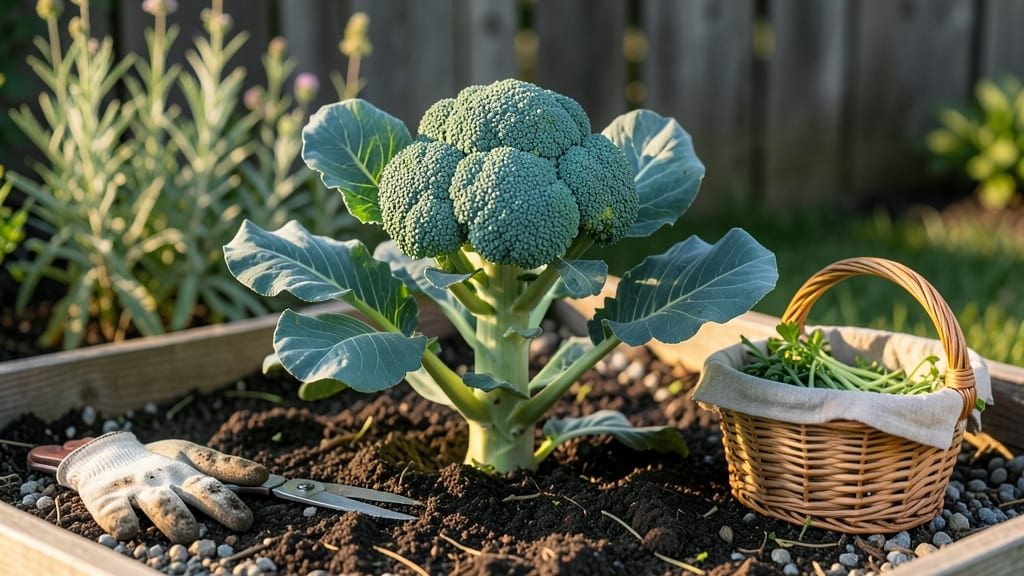
You’ll know when to pick broccoli from the garden by checking for tight florets, dark green color, and a firm head—these are the signs of peak flavor and texture.
Harvesting broccoli at the right moment means the difference between a bitter, woody bite and a sweet, crisp floret—so how do you know when those vibrant green heads are truly ready? Miss the window, and you’ll end up with tough stems and yellowing buds.
In this guide, I’ll walk you through the visual cues that signal perfect ripeness, from floret size to leaf health, so you can maximize your yield and avoid common mistakes.
You’ll also learn how to cut broccoli without damaging the plant, encouraging side shoots for multiple harvests, and keeping your garden productive all season long.


How to tell when broccoli is perfectly ripe using color and size
Timing your broccoli harvest correctly ensures those crisp, sweet florets you crave—not tough, bitter stems. The key lies in color, size, and floret tightness, which all signal peak ripeness.
I’ve learned that even a day or two past perfect timing can turn your harvest into disappointment, so let’s break down exactly what to look for.
First, focus on the main head’s color. Perfectly ripe broccoli boasts a deep, vibrant green, almost with a slight glossy sheen. When the florets start turning yellow or brown at the edges, it’s a clear sign you’ve missed the window.
I always check the center florets first—they should remain tightly closed, like a tightly packed bouquet.
Now, let’s talk size and shape. The ideal broccoli head measures between 4 to 8 inches in diameter, depending on the variety. If it’s smaller, it may not be fully matured; if it’s larger, the florets often start to open and toughen.
I’ve noticed that Calabrese varieties tend to stay tighter longer, while Romanesco can mature slightly faster—so always adjust your expectations based on what you’re growing.
Don’t overlook the stem and leaves! A ripe broccoli plant has thick, sturdy stalks that snap cleanly when bent—not brittle or woody. The leaves should be vibrant and healthy, not yellowing or wilted.
If the leaves are struggling, the head may already be past its prime. I once harvested a batch with yellowing leaves, and the florets were disappointingly bitter.
| Harvest Indicator | Perfectly Ripe | Not Ready | Overripe |
|---|---|---|---|
| Floret Tightness | Tightly closed buds | Loose or opening | Yellowing or woody |
| Head Color | Deep, glossy green | Pale or dull | Yellow/brown edges |
| Head Size | 4-8 inches diameter | Smaller than 4 inches | Larger than 8 inches |
| Stem Condition | Thick, snaps cleanly | Thin or rubbery | Woody or brittle |
| Leaf Health | Vibrant, no yellowing | Some yellowing | Mostly yellow/wilted |
Pro tip: Use your fingers to test floret tightness. Gently press the center buds—if they resist and stay closed, you’re golden. If they give way easily, the head is past its prime. I also check the underside of the head for tiny side shoots.
If they’re already 1-2 inches long, it’s time to harvest the main head to encourage those side shoots to grow larger.
Seasonal timing matters too. In spring and fall, broccoli matures faster in cooler weather, so I harvest 2-3 weeks earlier than in summer’s heat. During hot spells, the heads can bolt prematurely, turning bitter.
Always keep an eye on your plants, especially if you’re growing heat-tolerant varieties like ‘De Cicco’ or ‘Waltham 29.’
One mistake I’ve made? Waiting until the entire plant looks ready. Broccoli heads mature at different rates, even on the same plant. I now harvest each head individually as soon as it meets the color and size criteria, ensuring I don’t miss the sweet spot.
This also gives the plant energy to produce secondary heads for a longer harvest window.
For container growers, pay extra attention to stem thickness. Since
Common mistakes that cause broccoli to become bitter or tough
Even the most attentive gardeners sometimes end up with bitter broccoli or tough stems. The problem often starts with timing mistakes—harvesting too early or waiting too long.
When broccoli heads stay on the plant beyond their prime, they convert sugars into bitter compounds, turning your crisp florets into woody, unappetizing stalks.
Another common error is ignoring visual maturity cues. Many gardeners assume bigger always means better, but overripe broccoli develops yellowing florets and a hollow stem.
Even worse, once the central head bolts (sends up a flower stalk), the plant redirects energy away from producing quality side shoots, leaving you with fewer harvests overall.
🚨
- Yellowing florets = bitter taste
- Loose head structure = tough texture
- Woody stems = inedible core
- Open buds = past prime
Harvest before these signs appear—once the central head bolts, side shoots won't recover flavor.
Harvesting too early is just as problematic. If you pick broccoli when the heads are still small and underdeveloped, they lack the full flavor potential and may not regrow properly.
Look for heads that are 4-8 inches wide with tightly closed florets—this is the sweet spot where flavor and texture align perfectly.
Environmental factors also play a role. Heat stress during summer can accelerate bitterness, while nutrient deficiencies (like nitrogen) lead to stunted growth and tough stems. Always fertilize with a balanced 10-10-10 formula every 4-6 weeks during the growing season to support optimal development.
One overlooked mistake is improper cutting technique. Snapping stems instead of cleanly cutting with pruners can damage the plant, reducing future yields. Always cut 1-2 inches above the main stem and leave the lower leaves intact—they continue photosynthesizing to fuel regrowth.
Finally, don't ignore side shoots. After harvesting the main head, broccoli plants often produce smaller side shoots. These require the same tightness and color checks as the primary harvest—if you let them overmature, they'll contribute to bitterness in your overall crop.