
Picking
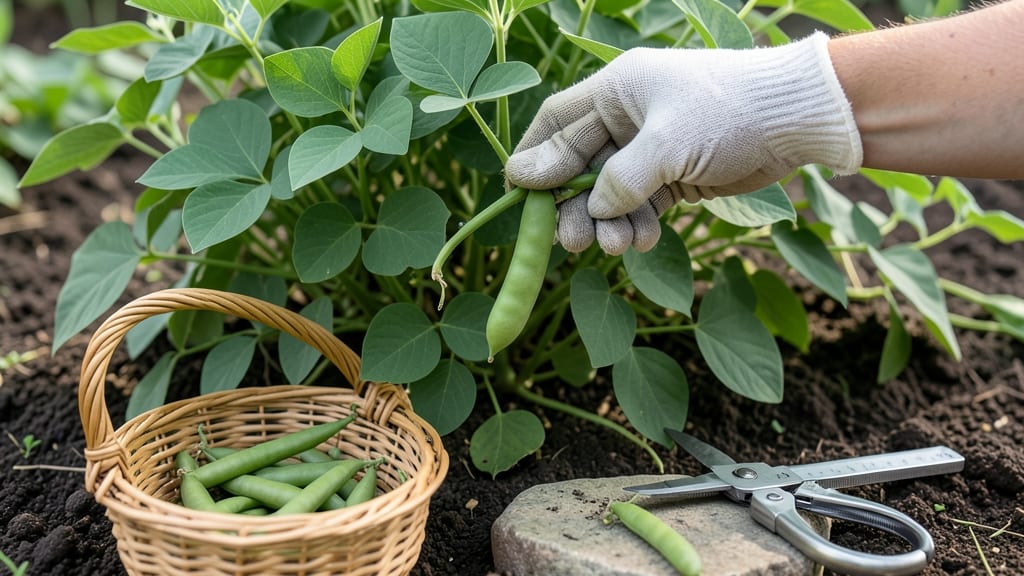
To pick beans from your garden at the perfect time means harvesting them when they’re crisp, tender, and packed with flavor—before they turn tough or stringy.
Harvesting beans at the wrong time can mean the difference between tender, flavorful pods and tough, stringy disappointments—so knowing when to pick beans is a gardener’s secret weapon.
For Green Bean 🌱 varieties in Zone 6a, timing matters most between July and September, when pods reach 4-6 inches and snap easily when bent. Miss this window, and you’ll end up with overripe beans that sacrifice sweetness for bulk.
Below, I’ll walk you through the 3 key signs of peak ripeness, how often to harvest for maximum yield, and the common mistakes that turn great harvests into garden regrets.


3 Visual signs your green beans are ready for harvesting
Knowing when to pick beans from your garden transforms your harvest from mealy and tough to crisp, sweet, and vibrant. The difference often comes down to three key visual cues: pod size, color, and seed development.
Ignoring these signs means missing the peak flavor window—usually just a few days long—where green beans shine brightest in salads, stir-fries, or steamed dishes.
Every bean variety—whether bush beans, pole beans, or specialty types like wax beans or lima beans—has its own ideal harvest moment. For example, snap beans should be picked when they’re 4-6 inches long, while lima beans wait until their pods turn yellowish-brown.
Mastering these visual clues ensures you’re harvesting at the perfect stage for maximum yield and flavor.
🌱 Numbered Highlights: When to Pick Beans from Your Garden
- Pod Size: 4-6 inches long for most green beans (shorter for bush beans, slightly longer for pole beans). Use a ruler to check—oversized pods mean the seeds inside are too developed.
- Color: Vibrant green (or variety-specific, like yellow wax beans). Dull or pale pods signal underripeness, while drying edges mean it’s past prime.
- Seed Development: Seeds should be visible but still small (pea-sized). If they’re bulging or dark, the pod is overripe and stringy or tough. For dry beans, wait until pods turn brown and papery.
- Texture Test: Gently snap a pod—it should break cleanly with a crisp sound. If it bends without snapping, it’s underripe; if it’s leathery or dry, it’s overripe.
For snap beans like Blue Lake or Romano, aim for pods that are bright green and firm. These varieties lose their tender-crisp texture quickly once picked, so check your plants every 2-3 days during peak production.
If you wait too long, the pods develop thick skins and large seeds, turning them woody and unappetizing.
Wax beans and yellow beans follow similar rules but may have slightly softer size thresholds. For example, yellow wax beans are ready when they reach 3-5 inches and their color shifts from pale green to a bright yellow.
Always prioritize color vibrancy—dull pods indicate stress or poor development.
Lima beans deserve special attention because they’re harvested at two stages: immature (green) pods for tender eating and mature (dry) pods for storage. Immature lima beans should be light green and 3-4 inches long, while mature pods turn brown and leathery.
Harvesting at the wrong stage means either bland, watery beans or hard-to-cook dry seeds.
One of the biggest mistakes gardeners make is harvesting at inconsistent times. For example, picking only the largest pods leaves smaller, underdeveloped ones to mature unevenly. Instead, use the visual cues above to harvest all pods at the same stage, ensuring uniform flavor and texture.
This also encourages your plants to produce more flowers and pods.
Pro tip: Morning harvests yield the freshest beans because pods are cool and crisp after overnight moisture. Avoid picking after rain or in hot afternoons, as pods may be waterlogged or wilted.
Store harvested beans in the fridge for up to 5 days or blanch and freeze them to preserve their peak freshness.
By mastering these three visual signs, you’ll transform your bean harvest from hit-or-miss to consistently delicious. The key is regular checks and prompt action—once you spot those vibrant green pods with tiny seeds, grab your shears and enjoy the rewards of your gardening efforts!
How often to pick beans for maximum yield and flavor
Consistent bean harvesting is the secret to a bountiful garden. When you pick beans at the right intervals, your plants will reward you with tender pods and non-stop production.
The key lies in understanding how frequently to harvest—whether it's daily or every other day—and how this timing directly impacts your plant's productivity and flavor.
Think of your bean plants as eager workers—they produce more when you keep up with the demand. If you let pods mature too long, they'll toughen up, and the plant's energy shifts from producing new pods to seed maturation.
This is why many gardeners see a 30-50% yield drop when they harvest too infrequently. The good news? A consistent schedule keeps your plants happy and productive all season.
Here's the critical comparison between harvesting frequencies and their impact on your bean plants:
For most gardeners, harvesting every other day strikes the perfect balance. This frequency keeps your plants producing without overwhelming you with daily trips to the garden.
If you're growing beans for market sales or fresh eating, daily harvesting might be worth the extra effort—your flavor and texture will thank you. Just remember, the goal is to remove pods before seeds bulge—this signals the plant to produce more rather than mature existing pods.
Pole beans often need slightly more frequent harvesting than bush beans because their vines produce continuously. Check your plants 2-3 times per week to stay on top of the harvest. The moment you notice pods reaching 4-6 inches and feeling firm to the touch, it's time to pick.
This regular attention prevents the plant from diverting energy to seed development, which is when pods become tough and less flavorful.
One common mistake is assuming that once harvest starts, you can take a break. But beans are prolific producers—they'll keep making new pods if you keep up with the harvest. My best advice?
Set a reminder or make it part of your weekly gardening routine. A few minutes each morning can mean the difference between a bountiful harvest and a disappointing yield of overgrown pods.
Pro tip: Use a small basket or container near your bean plants to make harvesting even easier. The more convenient it is to pick, the more likely you'll stay consistent—and that's when you'll see the real rewards in both quantity and quality of your bean harvest. 🌱