
Picking
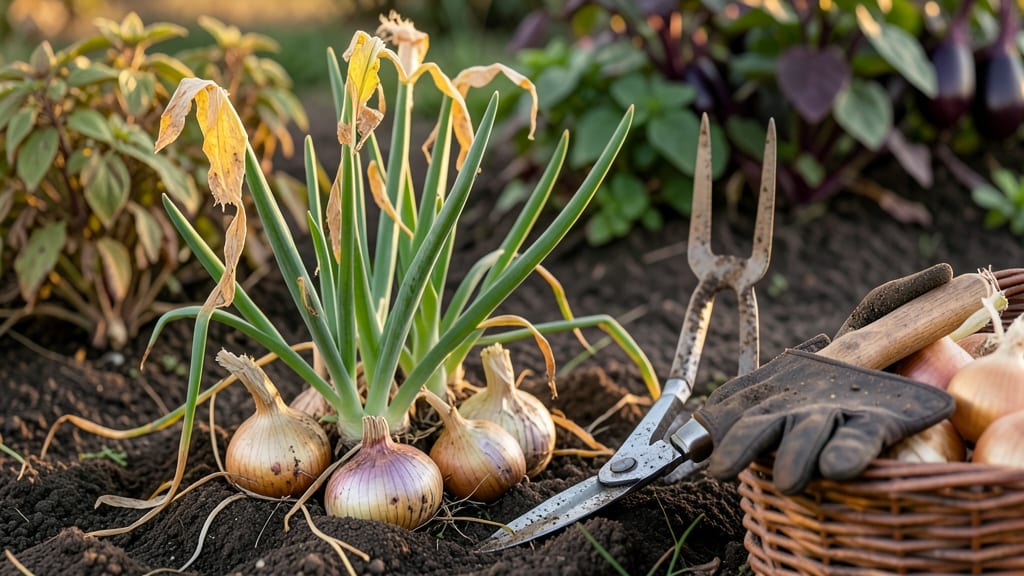
Harvesting onions in Texas at the right time ensures sweet bulbs instead of bitter ones, especially when dealing with our unpredictable heat and soil quirks.
Timing your onion harvest in Texas can mean the difference between sweet, flavorful bulbs and bitter, pungent disappointments—especially with our unpredictable heat and soil conditions.
Most gardeners in USDA Zones 8a–11 wait until late spring (April–May) for spring-planted onions, but fall varieties in North Texas may be ready as early as December. The key is watching for yellowing tops and paper-thin necks.
Below, I’ll walk you through the three foolproof tests to nail harvest timing, plus how to avoid common Texas pitfalls like heat stress or overripe bulbs.


Texas-specific onion harvest timing based on variety and climate zones
Texas gardeners face unique challenges when growing onions due to our variable climate zones and intense summer heat. Unlike cooler regions, onions in Texas must be planted in fall or early spring to avoid bolting from heat stress.
The key to success lies in understanding your USDA zone (7-10) and choosing the right onion variety—short-day, intermediate-day, or long-day—each with distinct harvest windows.
In North Texas (Zone 7-8), fall-planted onions often mature by late February to April, while spring-planted varieties are ready by May to June. Meanwhile, South Texas (Zone 9-10) can extend harvests into July or even August if planted in fall and given proper care.
The humidity and heat in Central and South Texas can accelerate growth, so monitoring bulb development closely is critical.
Here’s a breakdown of how day-length requirements and climate zones dictate your harvest timing:
For short-day varieties, like 'Texas Early White,' the 10–12 hour daylight of Texas winters triggers bulb formation. These are best planted in September or October for a winter harvest or in February for a spring harvest.
In South Texas (Zone 10), you can even plant short-day onions in late summer for a fall harvest, but watch for heat stress if temperatures exceed 90°F.
Intermediate-day varieties, such as 'Texas Super Sweet,' are the most versatile for Texas because they adapt to 12–14 hour days. Plant these in fall or early spring for harvests from January to May, depending on your zone.
These onions thrive in Central Texas’s mild winters but may struggle in North Texas’s harsh winters if not mulched properly.
Long-day varieties, like 'Yellowstone,' are high-risk in Texas unless planted in early spring (February) for a late spring/early summer harvest. The longer daylight hours of Texas summers (14+ hours) can cause these onions to bolt prematurely, producing seeds instead of bulbs.
If you attempt long-day onions, prioritize shade cloth in peak summer and consistent watering.
Texas’s humidity and heat can also accelerate maturity, so always check for harvest readiness before relying solely on calendar dates. Look for yellowing tops, a paper-thin neck, and bulbs 1–2 inches in diameter.
In South Texas’s Zone 10, onions may mature 30–45 days faster than in North Texas’s Zone 8, so stay vigilant.
Pro tip: Use
3 Reliable soil and bulb tests to determine perfect harvest readiness
Harvesting onions in Texas requires precision—our variable heat and soil moisture can quickly turn perfect bulbs into bitter disappointments. The key is testing three reliable indicators: bulb size, neck drying, and soil conditions.
These methods help you avoid common mistakes like harvesting too early (small, pungent bulbs) or too late (soft, sprouting onions). Let’s dive into the practical tests that work in Texas’s Zone 8a-11 climates.
First, focus on the bulb diameter. Mature onions should measure 1–2 inches across at the base. In Texas’s hotter regions (Zones 9-11), bulbs may mature faster, so check size earlier in spring (March–April) compared to cooler North Texas (Zone 8a).
Use a ruler or compare to a quarter for reference. Smaller bulbs (<1 inch) lack sweetness and storage potential, while oversized ones risk splitting or sprouting.
Next, examine the neck drying—the stem connecting the bulb to the foliage. When ready, this neck should be paper-thin and dry, snapping easily when bent. In Texas’s humid summers, this test is critical: a moist neck means the bulb isn’t fully cured.
For fall-planted onions (common in North/Central Texas), check necks in December–February before frost sets in. Pro tip: Gently tug on the foliage—if it pulls away cleanly, your onions are harvest-ready.
🌱 Key Takeaway: Texas-Specific Harvest Tests
Texas Tip: Adjust for heat—South Texas onions may show 30% yellow foliage earlier (February) than North Texas (50% yellow in April).
The third test involves the soil probe, which reveals moisture levels critical for bulb curing. Insert a soil probe or screwdriver 2–3 inches deep near the onion base. If the soil feels dry (not damp), your onions are ready. In Texas’s drought-prone areas, this test prevents premature harvests.
For irrigated beds, reduce watering 2 weeks before testing to encourage neck drying. Overwatering in Zone 10–11 can lead to soft, rotting bulbs—always let the topsoil dry slightly before probing.
Combine these tests for 100% accuracy. For example, in Central Texas (Zone 8b), wait until bulbs are 1.5 inches, necks snap dry, and soil is bone-dry at 2 inches deep—typically late April.
In South Texas (Zone 11), harvest by early March when bulbs reach 1 inch due to faster growth. Ignoring any test risks bitter, pungent, or spoiled onions, especially in Texas’s unpredictable heat waves.
Finally, time your harvest before extreme heat. In North Texas, aim for April–May mornings (before 10 AM) to avoid wilting. In South Texas, harvest in February–March to escape summer’s 100°F+ temperatures.
Cure harvested onions in a shady, dry spot for 3–5 days to toughen skins and prevent rot—a must in Texas’s humid climate.
Mastering these three tests ensures your Texas-grown onions are sweet, firm, and storage-ready. Whether you’re growing short-day varieties in North Texas or intermediate-day types in the Hill Country, these methods adapt to our diverse growing zones.
Happy harvesting—and may your bulbs be plump, flavorful, and free of Texas heat stress! 🧅