
Planting
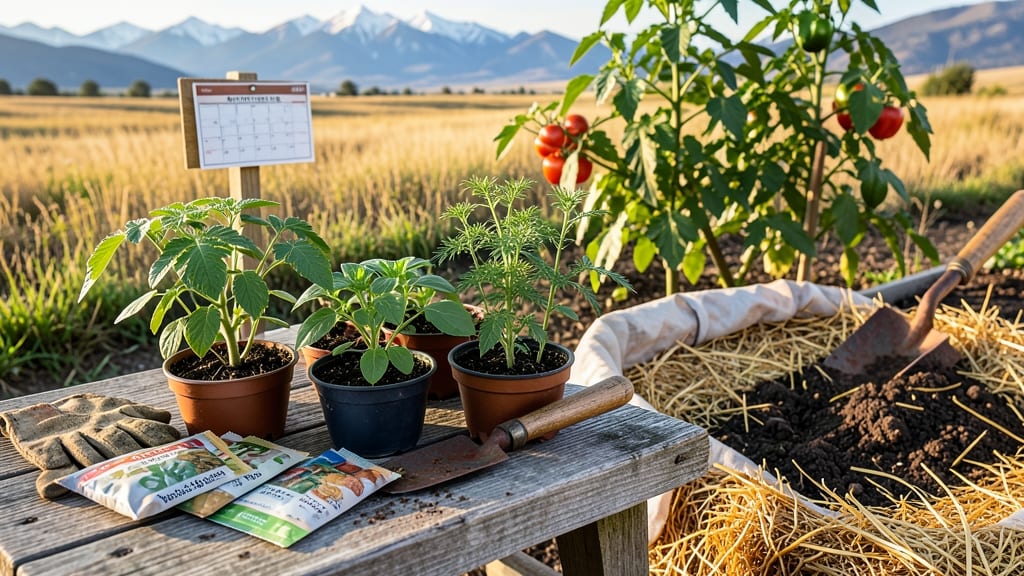
Planting your garden in Colorado at the right time means catching that narrow window between frost and heat where your 🌱 seedlings thrive instead of bolt or wither.
Colorado’s unique climate—from high-altitude chills to sudden heat spikes—can make planting your garden feel like a high-stakes guessing game. Get the timing wrong, and your seedlings might bolt or freeze before they even sprout. But master these zone-specific triggers, and you’ll unlock a thriving garden that outperforms your neighbors’.
Most Colorado gardeners wait until after the last frost date, but that’s just the start. The real secret lies in understanding how your USDA zone—whether you’re on the Front Range or the Western Slope—dictates when to start seeds indoors versus direct-sowing outdoors.
For example, Denver’s Zone 5 plays by different rules than Grand Junction’s Zone 7, and ignoring those differences can mean wasted effort.
In this guide, I’ll break down the exact planting windows for vegetables, flowers, and perennials by region, plus pro tips to extend your growing season without risking frost damage. Ready to turn your Colorado garden into a year-round success?
Colorado planting zones explained: when to start seeds indoors vs. direct-sowing outdoors
Colorado’s diverse USDA Plant Hardiness Zones 3-7 create unique challenges for gardeners. The Front Range (Denver, Boulder) typically sits in zones 5-6, while the Western Slope (Grand Junction, Durango) spans zones 6-7.
These zones dictate when to start seeds indoors versus direct-sowing outdoors, ensuring your plants thrive despite Colorado’s unpredictable weather swings.
Understanding your first and last frost dates is critical. In zone 5 (Denver area), the average last frost occurs around May 15, while zone 7 (Grand Junction) sees its last frost by April 15.
Conversely, first frosts arrive as early as September 15 in zone 5 and October 15 in zone 7. These dates shift with elevation—add 3-5 days per 1,000 feet higher.
Your microclimate matters just as much as your zone. Urban areas like Denver often experience urban heat islands that delay frost, while mountain valleys can trap cold air. Always scout your garden’s specific conditions by monitoring nearby weather stations or using frost-free date calculators tailored to Colorado.
Cold-hardy crops like kale, peas, and spinach can handle Colorado’s early springs. These cool-season vegetables tolerate light frosts and should be direct-sown as soon as soil is workable—typically 2-4 weeks before your last frost date.
For example, in zone 5, peas go in by April 15, while spinach thrives until June 15 before bolting.
Heat-sensitive plants like tomatoes, peppers, and eggplants require indoor starts 6-8 weeks before transplanting. In zone 5, begin tomatoes indoors by March 15 for transplanting after May 15.
In zone 7, you can start them as early as February 15 to take advantage of the longer growing season. Always use grow lights to supplement Colorado’s short spring days.
Succession planting is key in Colorado’s short growing season. For fast-maturing crops like lettuce or radishes, make weekly sowings every 2 weeks from spring through early summer. This ensures a continuous harvest before the heat sets in.
For bush beans and squash, plant in two successive batches 2-3 weeks apart to stretch your harvest window.
Don’t overlook fall planting opportunities. Many Colorado gardeners successfully grow cool-season crops like broccoli and carrots from August through September. These plants thrive in the cooler nights of late summer and can be harvested before winter sets in.
Use row covers to extend the season further and protect against early frosts.
Microclimates can dramatically alter planting times. A south-facing slope warms up faster than a north-facing valley, allowing earlier planting of heat-lovers like tomatoes and peppers. Conversely, low-lying areas may experience frost pockets that delay spring planting.
Always test your soil temperature—it should reach at least 50°F for cool crops and 60°F+ for warm-season plants.
Colorado’s altitude adjustments are non-negotiable. Gardens above 6,000 feet (like Denver) have a shorter growing season due to cooler temperatures. If you live at 7,000 feet or higher, consider early-maturing varieties or use row covers to protect tender seedlings.
For example, ‘Early Girl’ tomatoes mature in 55 days, making them ideal for high-altitude gardens.
Track your garden’s progress with a planting journal. Note when you start seeds, transplant, and harvest each year. Over time, you’ll refine your
Heat tolerance triggers: how Colorado’s rapid temperature shifts affect planting timing
Colorado’s famous diurnal temperature swings—think 70°F days dropping to 30°F nights—create a unique gardening puzzle. These swings actually work in your favor for certain heat-tolerant crops that thrive with daytime warmth but need cooler nights to prevent bolting.
Understanding these triggers lets you time plantings perfectly for maximum yield, especially in high-altitude areas where microclimates vary dramatically between Denver and Grand Junction.
For example, tomatoes and peppers love Colorado’s daytime heat but will suffer if nights stay too warm. Meanwhile, leafy greens like kale can handle cooler nights better.
The key is planting when daytime highs align with each plant’s ideal growing temperature range, while avoiding nights that are either too cold or too warm for their comfort.
In Denver (Zone 5-6), aim to plant heat-loving crops like tomatoes after your last frost date when daytime temps consistently hit 65°F or warmer. Use row covers for a few nights if temps dip unexpectedly.
For Grand Junction (Zone 7-8), you can start 2-3 weeks earlier since the climate is warmer, but monitor nighttime temps closely—peppers need consistent warmth to set fruit.
Pro tip: Use succession planting for crops like lettuce and spinach, which bolt quickly in Colorado’s heat. Start a new batch every 2-3 weeks to keep a steady harvest. For high-altitude gardens above 7,000 feet, add 1-2 extra weeks to your planting timeline—cooler temps mean slower growth.
Watch for heat stress signs like wilting leaves or yellowing edges, which often mean your plant’s nighttime recovery is being disrupted. Adjust by providing afternoon shade cloth or moving containers to cooler spots. With these adjustments, you’ll turn Colorado’s temperature swings into your garden’s superpower!