
Tools
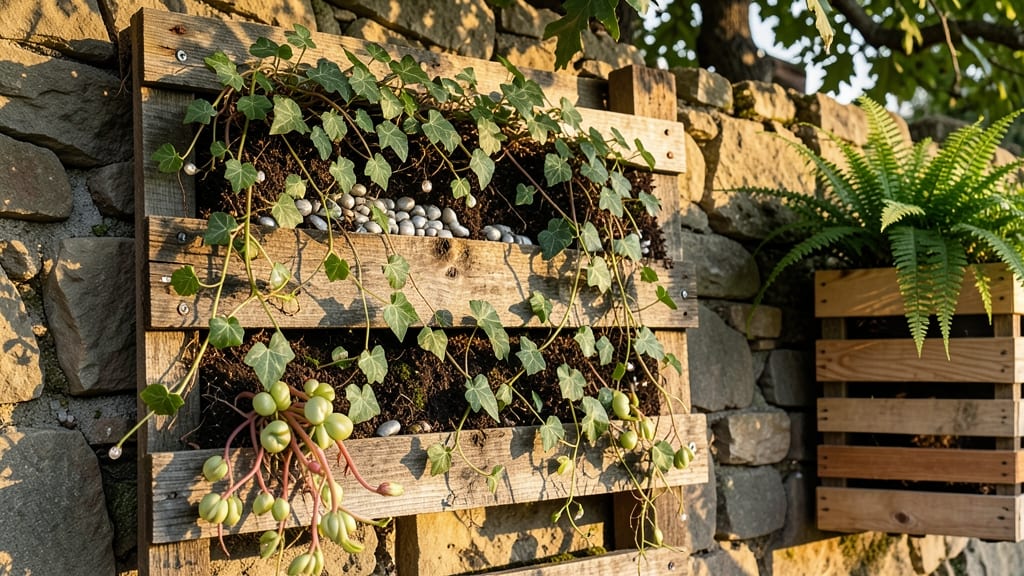
Designing an outdoor wall garden doubles your growing space while keeping sunlight front and center — the perfect solution for small yards or urban balconies.
If you’ve ever stared at a blank wall and wondered how to turn it into a thriving garden, you’re not alone. Vertical gardening isn’t just creative—it’s a game-changer for maximizing sunlight, saving space, and growing more Wall Garden Plants (General) 🌿 without the sprawl.
Whether you’re working with a sunny patio or a shady corner, the right planters and plant pairings can transform any wall into a lush, functional green space. From modular pockets to trellis systems, we’ll cover the best setups for sunlight efficiency and easy maintenance.
Ready to grow upward? Discover how to choose the right planters, design for your space, and keep your vertical garden flourishing all season long.
How to choose the best outdoor wall garden planters for sunlight and space
Choosing the right outdoor wall garden planters means balancing sunlight exposure with structural stability. Your planters must match your plants' needs—whether it's 6+ hours of sun for tomatoes or dappled light for ferns.
The wrong choice can lead to stunted growth or even plant death, so let’s break down the key factors to consider before investing.
First, assess your wall’s sunlight patterns. South-facing walls get the most sun, while north-facing walls offer shade. If your wall gets partial sun (3-6 hours/day), opt for plants like coleus or impatiens.
For full sun, choose lavender, rosemary, or cherry tomatoes. My personal tip: Use a light meter app to track sunlight hours—it’s a game-changer for placement decisions.
Next, decide between modular systems (like pocket planters) and pre-built wall gardens. Modular options are flexible and scalable, while pre-built systems offer built-in drainage and stability. Both have trade-offs, which we’ll compare in detail below to help you pick the best fit for your space and plants.
🌱
For herbs like basil or thyme, I recommend modular systems—they’re lightweight and easy to adjust if your wall gets morning sun only. Move them closer to the wall as the sun shifts.
Pre-built gardens, on the other hand, are ideal for heavier plants like tomatoes or peppers, which need stable support and deep pockets for root growth.
Material choice also impacts sunlight absorption. Dark-colored planters absorb heat, which can dry out soil faster. If you’re growing sun-loving plants, opt for lighter materials like ceramic or metal to reflect excess heat. For shade-tolerant plants, darker fabrics or wood can help retain moisture longer.
Don’t overlook structural support. Wall gardens must handle wind and weight, especially in outdoor settings. Use L-brackets or heavy-duty screws for modular systems, and ensure pre-built gardens have proper backboards to prevent sagging.
My biggest mistake was mounting a heavy planter without checking the wall’s weight capacity—always test first!
Finally, consider plant spacing. Crowded roots compete for sunlight and nutrients. For full-sun plants, leave 6-12 inches between pockets or planters. If you’re mixing sun and shade lovers, place shade plants on the north side of taller sun-loving varieties to avoid overshadowing.
🌿
Pro tip: Start small with a test section of your wall garden. Try a 3-foot modular panel for 3 months to observe how your plants respond to sunlight and adjust as needed. This low-commitment approach helps you refine your setup before expanding.
Top 5 outdoor wall garden designs that thrive in direct sunlight
Direct sunlight can be a game-changer for your wall garden outdoor—it fuels vibrant blooms, robust herbs, and even bountiful veggies. But not all designs handle full sun exposure equally. The key is pairing the right vertical planters with sun-loving plants while ensuring proper airflow and drainage.
Whether you're working with a small balcony or a large patio wall, these designs maximize sunlight without scorching your plants.
I’ve tested these setups in my own high-sunlight zone, and they consistently deliver lush growth with minimal fuss. The trick? Combining heat-resistant materials like cedar or recycled plastic with plants that thrive under the sun’s intensity.
Let’s dive into the top 5 designs that turn wall space into a sunbathing paradise for your greens.
🌱 1. Tiered Planter Cascade
- 🪴 Design: Stacked planters with decreasing sizes, creating a waterfall effect
- 🌿 Plants: Succulents (top), lavender (middle), rosemary (bottom)
- ☀️ Sun Needs: 6+ hours daily; top tier gets most light
- 💧 Care: Water bottom tier first; use self-watering trays
🌿 2. Trellis Vertical Garden
- 🪴 Design: Fabric pockets or slatted wood with climbing trellis
- 🌱 Plants: Morning glories, nasturtiums, or cucumbers (edible options!)
- ☀️ Sun Needs: 5+ hours; trellis maximizes vertical sunlight capture
- ✂️ Care: Prune regularly to avoid shading lower plants
🌻 3. Pocket Planter Grid
- 🪴 Design: Modular pockets (fabric or plastic) in a grid pattern
- 🌿 Plants: Cherry tomatoes, peppers, and marigolds (deter pests)
- ☀️ Sun Needs: 6+ hours; rotate pockets monthly for even growth
- 💧 Care: Group plants with similar water needs together
🪴 4. Hanging Basket Combo
- 🪴 Design: Mixed hanging baskets at varying heights
- 🌱 Plants: Petunias (top), sweet potatoes (middle), trailing thyme (bottom)
- ☀️ Sun Needs: 5+ hours; use reflective surfaces below to boost light
- 🌡️ Care: Monitor for overheating; add shade cloth if needed
🌿 5. Living Wall with Drip Irrigation
- 🪴 Design: Pre-built living wall system with built-in irrigation
- 🌱 Plants: Sedum, hens-and-chicks, and ornamental grasses
- ☀️ Sun Needs: 7+ hours; drought-tolerant plants thrive here
- 💧 Care: Set irrigation timer for 10-15 mins daily
Each of these wall garden outdoor designs leverages sunlight differently—whether through cascading layers, vertical climbing, or modular pockets. My favorite? The trellis vertical garden for its versatility with edible plants like cucumbers and morning glories.
For low-maintenance options, the pocket planter grid or living wall systems shine, especially in hot climates where water conservation is key.
Pro tip: Place your wall garden where it gets morning sun and afternoon shade if you’re in a very hot zone. This prevents leaf scorch while still giving plants the light they crave.
And always check your plant tags—some "sun-lovers" (like lavender) can handle intense afternoon rays, while others (like basil) prefer gentler morning light.
Ready to transform your wall into a sun-soaked garden oasis? Start with one design, test it for a season, and expand based on what thrives best in your space. Your vertical garden