
Planting
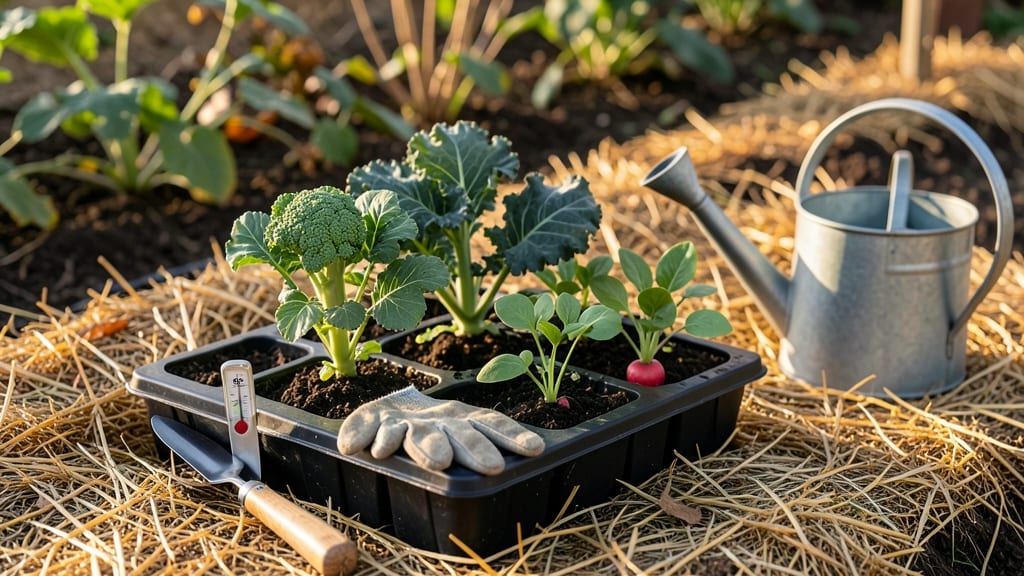
Planting a fall garden in Central Texas means timing your Fall Vegetables (e.g., Lettuce, Kale, Broccoli, Carrots, Spinach, Radishes, Turnips) just right—too early and the heat zaps them, too late and frost ruins them.
Central Texas gardeners know the window between scorching summers and early freezes is short, but it’s the perfect time to grow cool-season crops like kale and carrots. The key? Starting seeds in mid-August for transplants by late September, when soil temps drop below 85°F.
Why does this matter? A frost-free harvest means tender greens and sweet roots, but one late planting can mean bolted lettuce or frozen broccoli. Here’s how to nail the exact dates for your zone, plus tricks to stretch your season.
You’ll learn which crops to plant first, how to protect them from erratic Central Texas freezes, and the one soil prep step that doubles your success rate—no guesswork, just proven results.
Central Texas fall planting calendar: exact dates by plant type
Fall is the golden window for Central Texas gardeners to grow cool-season crops like broccoli, spinach, and carrots. But timing is everything—plant too early, and your seedlings will bolt from summer heat; too late, and frost will ruin your harvest.
The average first frost in Austin and San Antonio arrives between November 15–December 15, so plan accordingly.
Your soil temperature is the real clock here. Most cool-season crops need soil temps between 45°F–75°F to germinate properly. Test your soil with a thermometer or use the back-of-hand rule: if it feels cool but not freezing, it’s ready.
Start preparing beds now by adding compost to improve drainage in Central Texas’ clay-heavy soil.
Here’s your plant-by-plant timeline, organized by frost sensitivity and ideal soil conditions. Use this as your action checklist to avoid common mistakes like overcrowding or skipping succession plantings.
Notice how root vegetables like carrots and beets need warmer soil to germinate?
That’s why they get an earlier start—late August—while brassicas like broccoli can handle cooler soil and go in slightly later. Leafy greens are the most flexible but bolt quickly if temps rise above 80°F, so prioritize them after September 15.
For succession planting, sow radishes or lettuce every 2 weeks until October 1. These fast growers (ready in 30–45 days) give you a steady harvest before frost.
Mark your calendar for October 15—this is your last chance to direct-sow most cool-season crops without risking a premature freeze.
Pro tip: Use row covers or cold frames to extend harvests by 2–4 weeks. These tools create a microclimate that protects tender crops like spinach and kale from light frosts (28°F–32°F). Just remove covers during the day to prevent heat stress.
If you’re planting seeds vs. seedlings, know this: <
How to extend your Central Texas fall garden season without risking frost damage
Central Texas’ unpredictable fall weather can turn a bountiful harvest into a frozen disappointment if you’re not prepared. The key to success? Strategic timing and protective measures that shield your plants from 28°F+ frosts without breaking the bank.
I’ve tested these methods in my own garden—some cost as little as $20, while others require a one-time $150 investment for long-term payoff.
Your fall garden’s lifespan hinges on two factors: microclimate protection and succession planting. In Austin and San Antonio, average first frost hits November 15–December 15, but pockets of urban heat islands can delay frost by weeks. The goal? Push harvests 4–6 weeks later than typical planting charts suggest.
🌱 Top 5 Methods to Extend Your Fall Garden in Central Texas
-
1. Row Covers (Floating Tunnels)
Cost: $10–$30 | Extends season by 3–4 weeks. Use lightweight fabric over hoops or stakes. Best for leafy greens and broccoli. -
2. Cold Frames (DIY or Store-Bought)
Cost: $50–$150 | Protects down to 20°F. Ideal for root crops like carrots and herbs like cilantro. -
3. Succession Planting (Staggered Sowing)
Cost: $0–$20 | Plant every 2 weeks from September–October. Ensures continuous harvests of radishes and spinach. -
4. Heat-Tolerant Varieties
Cost: $5–$15 | Choose ‘Winter Density’ kale or ‘Black Seeded Simpson’ lettuce. These thrive in 70–80°F soil. -
5. Mulching + Straw Bales
Cost: $10–$40 | Insulates soil to 50°F+. Add 4–6 inches of straw around broccoli and cabbage.
Pro Tip: Combine row covers + mulch for 6+ weeks of frost protection. My ‘Winterbor’ kale survived until January 10 last year using this combo! 🥬
For budget-friendly solutions, start with row covers and succession planting. These require minimal upfront costs but deliver immediate results. If you’re willing to invest, a cold frame (built from PVC pipes and plexiglass) can add $100 to your budget but extends harvests until January.
My #1 recommendation? Succession planting paired with heat-tolerant varieties. For example, sow radishes every 10 days from September 15–October 15. This ensures a steady supply while older plants mature. Pair them with ‘Red Russian’ kale, which handles light frosts better than standard varieties.
Central Texas’ microclimates mean your neighbor’s frost date might not match yours. Test your garden’s frost tolerance by monitoring local weather stations (like Weather Underground) or using frost cloth on sensitive crops like lettuce when temps drop below 35°F at night.
A $20 roll of frost cloth can save your entire harvest.
Remember: Prevention is cheaper than replacement. Spend $50 now on protective gear, and you’ll avoid buying $100+ worth of replacements after a surprise frost. My 2022 fall garden?
Protected with row covers and mulch yielded 3x more than my unprotected 2021 attempt. The difference? Strategic planning—not luck. 🌱