
Light Requirements
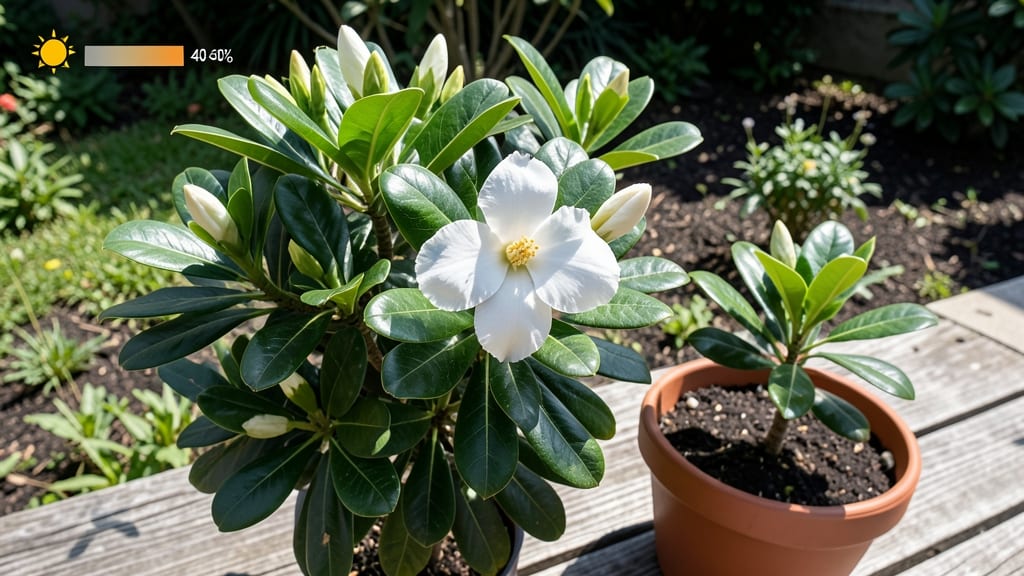
The gardenia sunlight requirements call for 4 to 6 hours of bright, indirect sunlight daily 🌸 — too much direct sun can scorch its delicate leaves, while too little means fewer fragrant blooms.
Struggling to keep your gardenia blooming? The secret might be hiding in how much sunlight it really needs—and it’s not what most gardeners assume.
These tropical beauties thrive in morning sun with afternoon shade, especially in hot climates like USDA Zone 6a. Too much midday heat can stress the plant, while insufficient light leads to sparse flowers and leggy growth.
Below, I’ll show you how to position your gardenia for perfect blooms, whether it’s in a sunny patio spot or a shaded indoor nook, and how to spot when the light is wrong.

How much sunlight does a gardenia need for optimal blooms?
If you've ever wondered why your gardenia produces fewer blooms than expected, the answer might lie in its sunlight exposure. Gardenias thrive in partial shade, but getting the balance right—especially between morning sun and afternoon shade—is key to unlocking their signature fragrance and lush foliage.
Unlike sun-loving plants, gardenias mimic their native tropical understory habitat, where dappled light filters through taller trees. This means too much direct sun can scorch their delicate leaves, while too little light stunts growth and blooming.
In my own garden, I learned this lesson the hard way when my gardenia nearly stopped flowering after a summer of harsh afternoon sun. The solution? Moving it to a spot with 4-6 hours of morning sunlight and afternoon shade.
This adjustment not only revived its blooms but also kept its leaves vibrant and glossy. The science behind this is fascinating: gardenias have a photosynthesis efficiency that peaks in bright, indirect light, allowing them to produce energy without overheating.
Their waxy leaves reflect excess light, but only up to a point.
Here’s the breakdown of what your gardenia truly needs—and how to tailor its light exposure based on your climate and garden setup:
| Light Condition | Sunlight Hours | Best For | Climate Notes |
|---|---|---|---|
| Morning Sun + Afternoon Shade | 4-6 hours | Optimal blooms, glossy leaves | Ideal for USDA Zones 7-10; mimics tropical understory |
| Bright Indirect Light (e.g., sheer curtains) | 6+ hours (filtered) | Indoor gardenias, low-light areas | Use east-facing windows; avoid south-facing |
| Dappled Shade (e.g., under tall trees) | 2-4 hours direct sun | Hot climates (Zones 10-11), container plants | Prevents leaf burn; increase humidity |
| Full Shade | 0-2 hours direct sun | Leggy growth, sparse blooms | Avoid for flowering; supplement with grow lights |
| Direct Midday Sun | 4+ hours (unfiltered) | Leaf scorch, poor blooming | Common in southern climates; use shade cloth |
For gardeners in tropical or subtropical climates (like Florida or Hawaii), the key is protecting your gardenia from the intense afternoon sun. I’ve found that a 50% shade cloth stretched over the plant during peak heat hours (12 PM–4 PM) can make a dramatic difference.
In cooler climates (Zones 7-9), you can often leave gardenias in morning sun only, as the afternoon light is gentler. The goal is to replicate the filtered light of their native habitat, where they grow beneath taller trees.
Another critical factor is seasonal adjustments. In spring and fall, when sunlight is less intense, gardenias can tolerate slightly more direct light—up to 6 hours daily. However, during the summer solstice, even morning sun can become too harsh.
If you notice yellowing leaves or crispy edges, it’s a sign your gardenia is getting too much sun. Move it to a shadier spot immediately, as prolonged exposure can lead to irreversible damage.
Conversely, if your gardenia is growing tall and leggy with few blooms, it’s likely not getting enough light.
When positioning your gardenia, think about its container or garden bed location. In containers, gardenias dry out faster, so ensure the pot has good drainage and place it where it gets morning sun but afternoon relief.
For in-ground plants, choose a spot near a north-facing wall or under a deciduous tree that provides shade in summer but allows light in winter. If you’re growing gardenias indoors, an east-facing window is ideal—it offers bright, indirect light without the risk of overheating.
Pro tip: If you’re unsure about your gardenia’s light exposure, observe its leaves. Healthy gardenia leaves are dark green, glossy, and leathery. If they’re pale or dull, it needs more light. If they’re crispy or brown, it’s getting too much sun.
The fragrance is another telltale sign—well-lit gardenias produce the most intoxicating scent. In my experience, a gardenia that gets the right balance of light will reward you with dozens of blooms per season and leaves that practically shine.
For gardeners in urban settings with limited outdoor space, consider a patio or balcony setup with adjustable shade. I’ve had success using a retractable awning to control sunlight exposure based on the season.
Even a simple white umbrella can provide enough shade to protect your gardenia from the harshest rays. The key
Signs your gardenia isn’t getting the right sunlight (and how to fix it)
If your gardenia’s leaves are turning yellow or its blooms are sparse, your plant might be sending you a clear message: its sunlight needs aren’t being met. Gardenias thrive in partial shade, but too much or too little light can stress them.
I’ve seen gardeners assume their plants need full sun—only to watch them struggle. The key is balancing morning sunlight with afternoon shade, especially in hot climates.
When gardenias get too much direct sun, their leaves develop crispy brown edges—a sign of leaf burn. On the flip side, insufficient light leads to leggy growth and fewer flowers.
Both extremes can weaken your plant’s immune system, making it more susceptible to pests. The good news? Adjusting light exposure is often as simple as moving your plant or adding shade cloth.
⚠️ callout warning
Gardenias need 4-6 hours of morning sun daily but can’t handle hot afternoon rays. Over-exposure causes leaf burn, while too little light stunts growth and blooms. Fix it now: Move outdoor plants to east-facing spots or use 30-50% shade cloth in peak sun hours.
🌱 Pro Tip: Indoor gardenias near south-facing windows may need sheer curtains to filter harsh light.
Start by checking your gardenia’s leaf color. Healthy leaves are deep green and glossy, while yellowing or pale leaves signal light deficiency. If you notice leaf drop or stunted growth, your plant may be struggling with inconsistent light.
Even indoor gardenias near windows can suffer—west-facing windows often deliver too much heat, while north-facing windows may not provide enough intensity.
For outdoor gardenias, observe the direction of sunlight. If your plant is in a south-facing bed, it’s likely getting too much midday sun. Try relocating it to a spot with dappled shade from nearby trees or a partial shade structure.
In containers, you can easily move your gardenia to a shadier patio spot during the hottest hours of the day.
If your gardenia’s blooms are sparse, it might be getting too much shade. While gardenias tolerate partial shade, they need some direct sunlight to trigger flowering. Prune nearby trees or adjust your plant’s position to ensure it gets at least 4 hours of morning light.
For indoor plants, consider supplementing with a grow light for 6-8 hours daily during winter months when natural light is scarce.
Finally, don’t overlook the seasonal adjustments needed for gardenias. In summer, afternoon shade becomes critical, while winter may require additional light exposure. If you live in a hot, dry climate, mulch around your gardenia’s base to retain moisture and reduce heat stress.
With these tweaks, you’ll help your gardenia thrive and reward yourself with fragrant, abundant blooms all season long. 🌸