
Planting
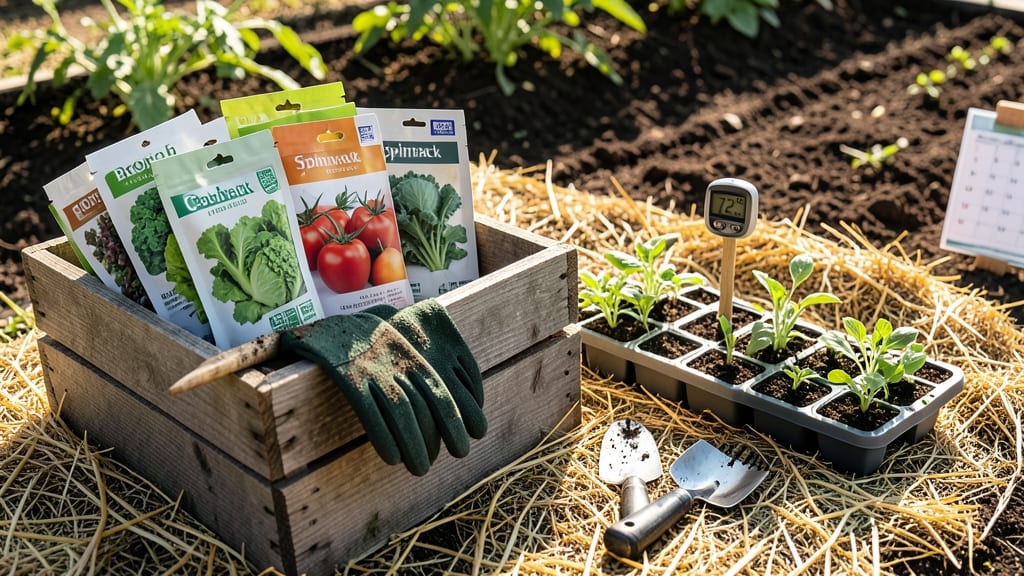
Planting a vegetable garden in California at the right time 🥬 means the difference between a bumper crop and a sad, wilted mess.
California’s microclimates—from foggy coastal zones to scorching inland valleys—make timing everything. Get it wrong, and your tomatoes might bolt before fruiting, or your lettuce turn bitter in the heat. But nail it, and you could harvest fresh produce year-round, even in the same backyard.
This guide breaks down the exact months to start seeds and transplants for your specific zone, whether you’re in chilly Humboldt County or the desert-like Coachella Valley. We’ll cover cool-season crops like broccoli that thrive in winter and warm-season favorites like peppers that need summer’s heat.
Ready to stop guessing and start growing? You’ll learn how to adjust planting dates based on your local frost dates, soil temperatures, and even elevation—so your garden thrives no matter where in California you live.
California’s 11 planting zones: when to start seeds and transplants by region
California’s 11 distinct planting zones create a gardener’s paradise—but also a challenge. Whether you’re in coastal fog belts like Zone 7b or desert heat like Zone 11, timing is everything. Plant too early, and frost will kill tender seedlings.
Plant too late, and heat will cause bolting lettuce or blossom drop in tomatoes. Let’s break down the best times to start seeds and transplants for your specific zone, plus which crops thrive in each microclimate.
From cool-season crops like kale and peas to heat-lovers such as okra and sweet potatoes, your zone dictates when to sow. For example, Zone 1 (coastal) can grow spinach year-round, while Zone 9 (desert) needs summer shade cloth for tomatoes. Here’s your zone-by-zone planting guide to maximize harvests.
| Zone | Cool-Season Crops (Direct Sow) | Warm-Season Crops (Transplant) | Key Tips |
|---|---|---|---|
| Zone 1 (Coastal: Eureka, Arcata) | Oct–Mar (lettuce, peas, spinach) | Mar–Apr (tomatoes, peppers, basil) | Use row covers for frost protection; succession plant greens every 2 weeks. |
| Zone 7b (Coastal: San Francisco) | Sep–Feb (kale, carrots, broccoli) | Feb–Mar (eggplant, cucumbers, zucchini) | Watch for late frosts (Jan–Feb); drip irrigation prevents fungal issues. |
| Zone 9 (Central Valley: Fresno) | Nov–Jan (radishes, arugula, onions) | Feb–Apr (tomatoes, peppers, melons) | Use shade cloth in summer; mulch heavily to retain moisture. |
| Zone 10a (Desert: Palm Springs) | Year-round (bush beans, Swiss chard) | Feb–Sep (okra, sweet potatoes, basil) | Avoid midday planting; water deeply 2x/week. |
| Zone 14 (Mountains: Lake Tahoe) | May–Jul (potatoes, peas, cabbage) | Jun–Jul (tomatoes, peppers) | Short season! Use fast-maturing varieties and black plastic mulch. |
In Zone 1 (coastal), where winters are mild and summers cool, you can grow leafy greens year-round. Start lettuce and peas in October for winter harvests, then transition to warm-season crops like tomatoes in March. The key? Row covers protect tender seedlings from unexpected 30°F nights.
By contrast, Zone 9 (Central Valley) has hot summers and mild winters. Here, cool-season crops like broccoli thrive in November–January, while tomatoes and peppers need to be transplanted in February to avoid heat stress. Drip irrigation is a must to prevent blossom end rot in tomatoes.
For desert zones (10a–11), timing shifts dramatically. Okra and sweet potatoes love the heat, so plant them in February–March. Meanwhile, bush beans and Swiss chard can be sown year-round with consistent watering. Shade cloth (30–50%) is your best friend during 100°F+ days.
Mountain zones like Zone 14 (Lake Tahoe) have short growing seasons. Focus on fast-maturing varieties, such as 45-day tomatoes or 50-day peas. Start seeds indoors in April and transplant after last frost (June). Black plastic mulch warms the soil faster than bare earth.
Pro tip: Use soil thermometers to guide planting. Most seeds need 40–50°F soil for germination, while transplants prefer 60–70°F. In Zone 7b (coastal), soil stays cool longer, so wait until March for tomatoes.
In Zone 10a (desert), soil heats up fast—plant warm-season crops in February to avoid heat shock.
Don’t forget succession planting! In Zones 1–9, sow lettuce and radishes every 2 weeks to avoid gaps. In desert zones (10a–11), focus on heat-t
How to adjust planting dates for your microclimate (even within the same county)
California’s microclimates can vary dramatically even within a few miles—think coastal fog in Santa Cruz versus desert heat in Palm Springs. These differences mean your neighbor’s planting schedule might not work for you.
To avoid bolting lettuce or wilting tomatoes, you’ll need to adjust your timing based on three key factors: elevation, urban heat islands, and local frost patterns.
For example, a garden at sea level in San Francisco (Zone 9b) might have cooler nights than one just 20 miles inland in Oakland. Meanwhile, an urban heat island in Los Angeles can push soil temperatures 5–10°F warmer than nearby rural areas.
Even within the same county, these microclimates demand customized planting dates to maximize yields.
⚠️ Common Mistake: Planting Tomatoes Too Early in Zone 14
In desert regions like Palm Springs (Zone 10b–11), gardeners often rush to plant tomatoes in February, only to watch them wilting under 100°F soil. Tomatoes thrive when soil temps stay below 85°F—wait until late March or April for direct sowing. For cooler microclimates (e.g., mountain foothills), start seeds indoors in January to transplant after last frost.
Start by checking your local frost dates using the USDA Plant Hardiness Zone Map or tools like the California Climate Tracker. For instance, Sacramento (Zone 9a) typically sees its last frost around March 15, while Eureka (Zone 9b) on the coast may experience frost until April 15.
Adjust your cool-season crops (like broccoli or peas) to align with these dates—plant 6–8 weeks before the last expected frost.
Soil temperature is another critical factor. Use a soil thermometer to monitor when it reaches 60°F for warm-season crops (tomatoes, peppers) or 40–50°F for cool-season crops (lettuce, spinach).
In urban areas, pavement and buildings can raise soil temps by 10°F or more, so delay planting heat-sensitive crops like cucumbers until late spring. Conversely, higher elevations (e.g., Truckee at 6,000 ft) may need earlier starts for the same crops.
Extend your growing season with row covers or cold frames. In Zone 7b (e.g., Fresno), these tools can push your fall planting window into October or November, letting you harvest kale or carrots well into winter.
Conversely, in Zone 10a (e.g., Riverside), shade cloth can protect summer crops from intense sun, allowing you to grow basil or beans year-round with minimal stress.
Pro tip: Keep a gardening journal for 2–3 years to track which planting dates work best in your microclimate. Note when bolting occurs, how long crops take to mature, and any unexpected frost events.
Over time, you’ll refine your schedule to match your unique local conditions—whether that’s coastal breezes, valley heat, or mountain chill. With these adjustments, you’ll avoid common pitfalls and enjoy longer harvests and healthier plants all year.