
Planting
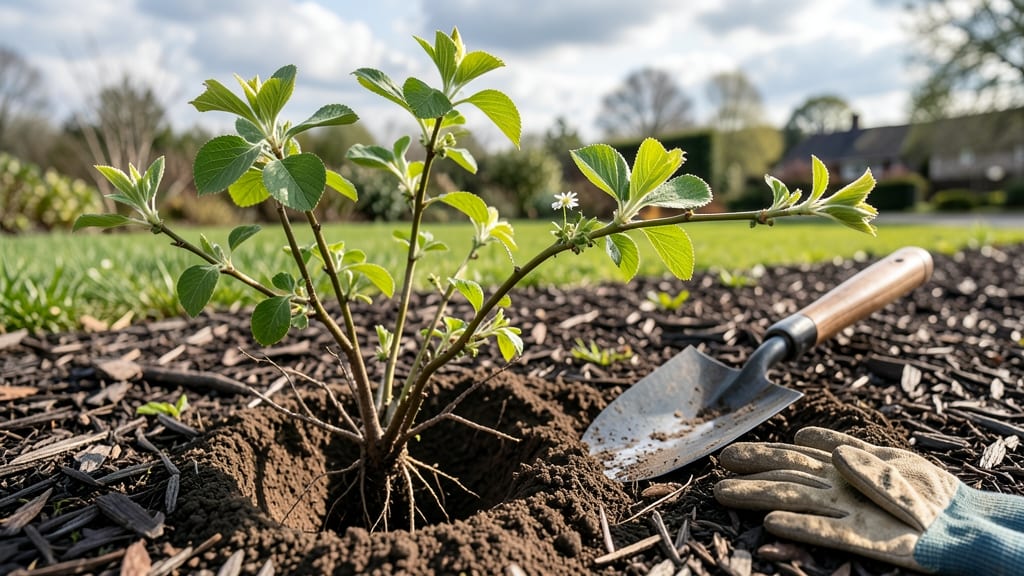
Planting a garden in Michigan at the right time means the difference between a bumper crop and a sad, frost-nipped disappointment.
Michigan’s unpredictable frost dates can make or break your garden—plant too early, and your seedlings freeze; too late, and pests or heat ruin your harvest. But with the right timing, you can enjoy a thriving garden year after year.
For most of the state, the ideal planting window stretches from mid-April to mid-June
—but northern counties like Marquette need to wait until late May, while southern regions like Detroit can start as early as early April. I’ll break down the exact frost dates by county so you never guess again, plus how to adjust for your local microclimate.
Michigan’s frost dates by county: the exact timeline for planting success
Timing your garden in Michigan means mastering the frost dates that separate success from disappointment. The last spring frost and first fall frost vary dramatically across the state, from USDA Zone 4 in the Upper Peninsula to Zone 6 in southern counties.
Knowing your county’s average dates helps you plant heat-loving crops like tomatoes and peppers at the perfect moment—while protecting cool-season veggies like spinach and peas from late freezes.
Northern Michigan counties (e.g., Marquette or Iron) often see their last frost in mid-to-late May, while southern counties (e.g., Wayne or St. Clair) can plant as early as mid-April.
These differences mean the gap between planting too early and too late can be just 2-3 weeks. Use this guide to align your planting schedule with your county’s historical data, ensuring your garden thrives year after year.
| County | Avg. Last Frost | Avg. First Frost | Early Crops (Peas, Spinach) | Heat-Loving Crops (Tomatoes, Peppers) |
|---|---|---|---|---|
| Wayne | April 15 | October 20 | March 20-April 10 | May 15-June 1 |
| Oakland | April 20 | October 15 | March 25-April 15 | May 1-June 1 |
| Macomb | April 18 | October 18 | March 22-April 12 | May 10-May 25 |
| Kalamazoo | May 5 | October 5 | April 5-May 1 | May 20-June 5 |
| Marquette | May 15 | September 25 | May 1-May 15 | June 10-June 25 |
| Iron | May 20 | September 20 | May 10-May 20 | June 15-July 1 |
| Berrien | April 25 | October 10 | March 30-April 20 | May 5-May 20 |
For southern Michigan, where counties like Wayne and Oakland have the earliest last frosts, you can start planting cool-season crops as early as late March. These areas also have a longer growing season, allowing you to plant tomatoes and peppers by mid-May without risking frost damage.
In contrast, northern counties like Marquette and Iron must wait until mid-May or later for their last frost, pushing back planting dates by 3-4 weeks.
If you’re growing peas or spinach, these cool-season crops can often tolerate light frosts, so you can plant them 2-3 weeks before your county’s average last frost date.
For example, in Kalamazoo County, where the last frost is around May 5, you can start peas by April 5. However, heat-loving crops like tomatoes and pe
How to adjust planting dates for Michigan’s unpredictable weather patterns
Michigan’s unpredictable spring weather can leave gardeners scrambling—one week brings unseasonable warmth, the next delivers a late frost. The key to success? Flexibility. By using season-extending tools and succession planting, you can turn Michigan’s short growing season into a year-round harvest.
Start by tracking local frost dates and adjusting your schedule accordingly.
For example, cool-season crops like peas and spinach can handle light frosts, while warm-season plants like tomatoes and peppers need consistent warmth to thrive. If your last frost date shifts later than expected, don’t panic—row covers and cold frames can buy you extra weeks of growing time.
Even a simple plastic tunnel can raise soil temperatures by 5-10°F, giving heat-loving plants a head start.
🌱 5 Ways to Adjust Planting Dates in Michigan
- 1. Use row covers to protect early seedlings from late frosts (extend season by 2-4 weeks).
- 2. Plant cold-hardy crops like kale, carrots, and radishes 4-6 weeks before last frost.
- 3. Succession plant fast-growing crops (e.g., bush beans, lettuce) every 2 weeks for continuous harvests.
- 4. Monitor soil temperature—wait until it hits 50°F+ for warm-season plants like peppers.
- 5. Check 7-day forecasts weekly—adjust planting if frost warnings appear.
Don’t rely solely on average frost dates—Michigan’s microclimates vary wildly. Urban areas like Detroit often warm up faster than rural Upper Peninsula regions. If you’re unsure, start seeds indoors 4-6 weeks before your target transplant date and use grow lights to control timing.
For outdoor planting, wait until nighttime temperatures stay above 50°F for at least a week.
Another game-changer? Succession planting. Instead of planting all your lettuce or radishes at once, sow new seeds every 2-3 weeks to ensure a steady supply. This works especially well for fast-maturing crops like bush beans or turnips, which can be harvested in as little as 30-50 days.
Pair this with interplanting—growing fast crops (radishes) between slow ones (carrots)—to maximize space.
For late-summer planting, focus on cool-season crops like broccoli, cabbage, and spinach. These can tolerate light frosts and even improve in flavor after a frost. Use black plastic mulch to warm soil for early fall plantings of warm-season crops like kale or Swiss chard.
Always check first frost dates for your county—some areas in Southern Michigan can extend the season until mid-October, while Northern Michigan may see frost by early September.
Finally, keep a garden journal to track what works in your specific yard. Note planting dates, weather shifts, and harvest success. Over time, you’ll spot patterns—like when your soil finally warms or how late you can push tomatoes—and refine your strategy.
With these adjustments, you’ll turn Michigan’s unpredictable weather into your garden’s biggest advantage! 🌿