
Planting
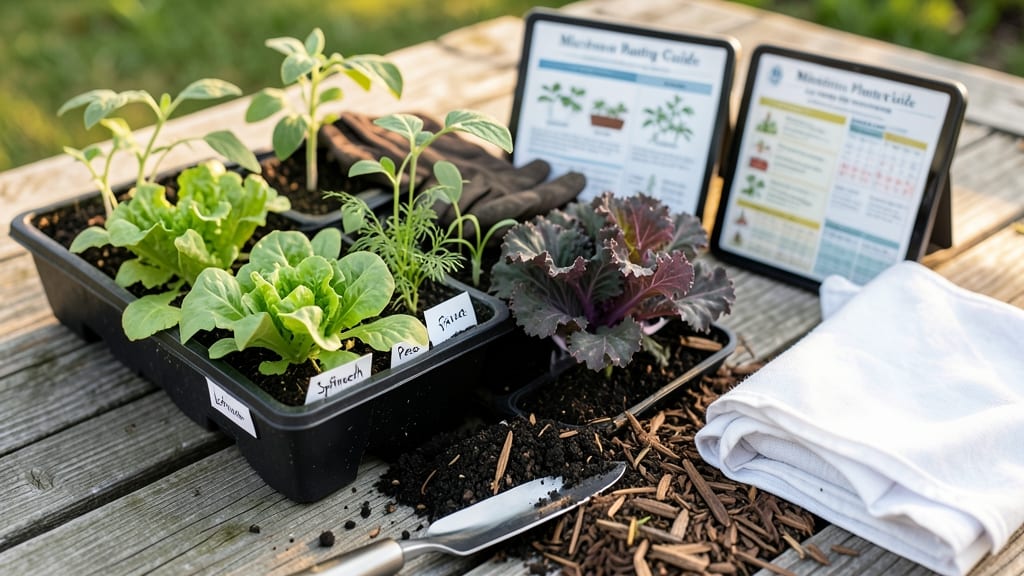
Planting your garden in Michigan at the right time means the difference between a thriving harvest and a frost-killed disappointment.
Michigan’s unpredictable frost dates can make or break your garden—plant too early, and your seedlings freeze; too late, and you miss the growing season. Avoid the guesswork with this expert guide tailored to Michigan’s unique climate zones, where USDA Zone 5b-6b means timing is everything.
Cool-season crops like spinach and peas need to go in the ground 4-6 weeks before your last frost, while warm-season favorites such as tomatoes and peppers wait until 2-3 weeks after.
With frost-free days ranging from 140-170 in most regions, knowing when to start is the key to a productive 🥬 garden.
In this guide, I’ll walk you through frost-date calculations, regional adjustments for Upper vs. Lower Peninsula, and how to extend your growing season—so you can plant with confidence, no matter where in Michigan you’re gardening.
Michigan frost dates by plant type: last spring & first fall frosts
Michigan’s frost dates vary dramatically between the Upper Peninsula (USDA Zones 4-5) and Lower Peninsula (Zones 5-6), creating challenges for gardeners. The last spring frost typically arrives between mid-April and early May, while the first fall frost hits mid-October to early November.
Understanding these dates helps you time cool-season crops like spinach and warm-season crops like tomatoes perfectly.
For Zone 4 (northern Michigan), the growing season is shorter—only 120-140 frost-free days. In Zone 6 (southern Michigan), you gain 150-170 days, allowing for longer harvests.
Always adjust planting times based on your exact location, as microclimates (like urban heat islands) can shift frost dates by 1-2 weeks.
Cool-season crops like peas and lettuce thrive when planted 4-6 weeks before the last frost. In Michigan, this means starting seeds indoors in March for Zone 4 or late March for Zone 6. Warm-season crops, including tomatoes and peppers, need soil temperatures above 55°F (13°C) and should wait until 2-3 weeks after the last frost.
| Plant Type | Last Spring Frost (Avg.) | First Fall Frost (Avg.) | Planting Window (Zone 4) | Planting Window (Zone 6) |
|---|---|---|---|---|
| Cool-Season Crops (Peas, Spinach, Lettuce) | Mid-April to early May | Mid-October to early November | Direct sow March-April (4-6 weeks before last frost) | Direct sow late March-April (4-6 weeks before last frost) |
| Warm-Season Crops (Tomatoes, Peppers, Basil) | Mid-April to early May | Mid-October to early November | Transplant late May-early June (2-3 weeks after last frost) | Transplant mid-May-early June (2-3 weeks after last frost) |
| Perennials (Asparagus, Rhubarb, Strawberries) | Mid-April to early May | Mid-October to early November | Plant crowns early spring or fall (soil workable) | Plant crowns early spring or fall (soil workable) |
| Fall Crops (Kale, Radishes, Carrots) | N/A | Mid-October to early November | Direct sow late July-early August (8-10 weeks before first frost) | Direct sow late July-early September (8-10 weeks before first frost) |
In Zone 4 (Upper Peninsula), gardeners often use row covers or cold frames to extend the season for warm-season crops. For example, you can plant tomato seedlings in early May under protection, then remove covers after Memorial Day.
In Zone 6 (southern Michigan), the window is wider—you might even squeeze in a second planting of beans in July for a late-summer harvest.
Perennials like asparagus and rhubarb are planted in early spring or fall when soil is workable. These hardy plants benefit from Michigan’s cold winters, as the chill period actually enhances next year’s growth.
For strawberries, establish beds in spring for Zone 4 or fall for Zone 6 to avoid summer stress.
Fall planting is critical for hardy greens like kale and spinach. Sow seeds 8-10 weeks before your first frost—this means late July for Zone 4 and early September for Zone 6.
These crops often taste sweeter after a light frost, making them perfect for winter harvests with row covers.
Always monitor local weather forecasts in late April and October, as frost dates can shift yearly. For example, 2023’s late spring frost in Traverse City delayed planting by 3 weeks. Use frost-sensitive plants like petunias as natural indicators—if they survive a night, your garden is likely safe.
Pro tip: Keep a gardening journal to track your frost dates annually. Over time, you’ll notice patterns in your microclimate—like how urban Detroit stays 1-2°F warmer than rural areas, delaying frost by 5-7 days. Adjust your planting schedule accordingly to maximize your harvest.
🌱
How to use a frost-date calculator for Michigan gardens
A frost-date calculator is your secret weapon for timing plantings perfectly in Michigan’s USDA Zones 4-6. These tools provide last spring frost and first fall frost dates based on your exact location, helping you avoid the 30-day window where frost can wipe out tender seedlings.
Let’s walk through how to use one for your Michigan garden.
Start by finding a trusted frost-date calculator like the Michigan State University Extension tool or the Old Farmer’s Almanac calculator. Enter your ZIP code—this ensures you get the most accurate last frost date for your specific area.
Michigan’s frost dates vary dramatically between southern Lower Peninsula (like Detroit) and northern Upper Peninsula (like Marquette), so precision matters.
-
Step 1: Input Your ZIP Code
Enter your exact ZIP code to pull up your local frost dates. For example, 48201 (Detroit) averages a last frost around May 10, while 49908 (Marquette) may see frost until May 25. -
Step 2: Adjust for Microclimates
Urban areas like Ann Arbor often warm up faster than rural 10 miles away. Add 3-5 days to your frost date if you’re in a city (heat islands delay frost). Conversely, subtract 3-5 days for shaded or low-lying areas. -
Step 3: Note Your Last & First Frost Dates
The calculator will show last spring frost (e.g., May 15) and first fall frost (e.g., September 20). These dates define your growing season window—typically 140-170 frost-free days in Michigan. -
Step 4: Calculate Planting Windows
For cool-season crops (spinach, peas), plant 4-6 weeks before your last frost. For warm-season crops (tomatoes, peppers), wait 2-3 weeks after your last frost when soil reaches 60°F+. -
Step 5: Plan for Fall Plantings
Use the first fall frost date to determine when to sow fast-maturing crops (like radishes) or transplant hardy greens (kale, lettuce) for a fall harvest.
Once you’ve got your frost dates, interpret them for your garden’s needs. For example, if your last frost is May 15, plant peas and spinach by April 15 (6 weeks before).
For tomatoes and peppers, wait until May 30 (2 weeks after) and ensure soil warmth with black plastic mulch if needed.
Don’t forget to account for seedling growth time. If your frost date is May 10 but you’re starting tomato seedlings indoors, begin them 6-8 weeks before transplanting (around March 15). This ensures they’re ready to go outside by your last frost date.
Pro tip: Bookmark your calculator results and adjust yearly. Michigan’s frost dates can shift by 1-2 weeks due to climate changes, so stay flexible. For extra safety, keep row covers or a mini greenhouse handy for late spring or early fall plantings.
With your frost dates in hand, you’re ready to time plantings like a pro—no more guessing or lost seedlings! Happy gardening! 🌱