
Planting
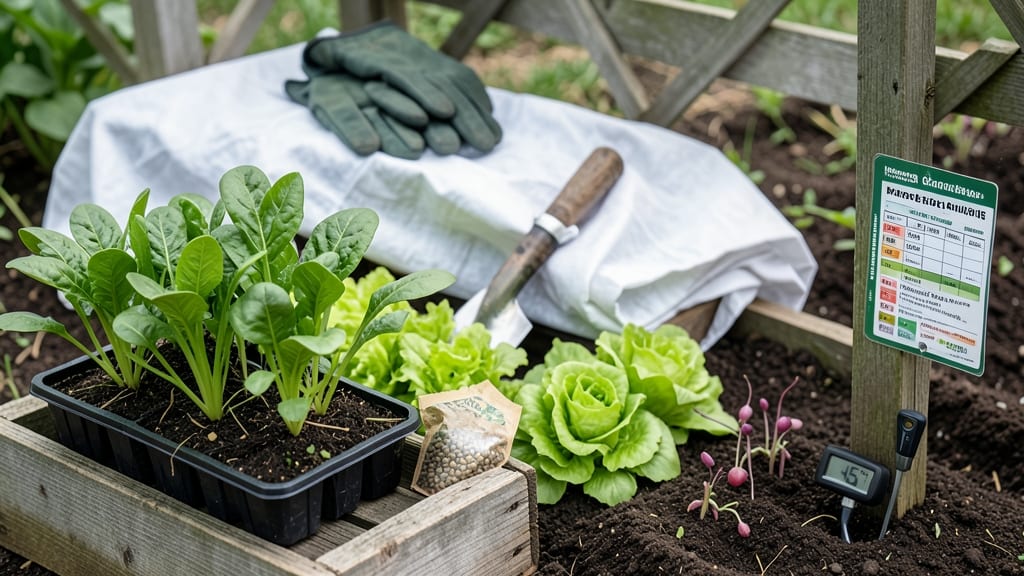
Planting your garden in Michigan at the right time means the difference between a bountiful harvest and a lost season 🌱—and the clock starts ticking as soon as the snow melts.
Michigan’s unpredictable spring weather can make or break your garden—planting at the wrong time risks frost damage or stunted growth. But with the right timing, you’ll enjoy a thriving harvest all season long.
In Zone 5a-6b, cool-season crops like lettuce and peas can go in as early as mid-April, while warm-season favorites like tomatoes and peppers need to wait until after the last frost date—usually mid-May in most regions.
Below, I break down the exact planting windows for spring, summer, and fall, plus how to adjust for microclimates like urban heat islands or the Upper Peninsula’s cooler temps.
Michigan Zone 4b last frost dates: your planting timeline by season
Michigan’s Zone 4b climate means your last spring frost typically arrives between mid-April and early May, while the first fall frost hits around mid-October to early November.
These dates create a 140-180-day growing season, giving you just enough time to grow everything from cool-season greens to heat-loving tomatoes. But timing varies sharply between Michigan’s Upper Peninsula (UP) and Lower Peninsula (LP), so let’s break it down.
The Lower Peninsula generally enjoys 2-3 weeks earlier last frosts than the Upper Peninsula, thanks to its milder lake-effect climates. For example, Detroit’s last frost averages April 20th, while Marquette’s often lingers until May 10th.
This difference means warm-season crops like peppers and squash may thrive in southern Michigan but struggle in the UP unless you use row covers or start seeds indoors.
Here’s your seasonal planting timeline for Michigan’s Zone 4b, organized by crop type and region:
| Season | Crop Type | Lower Peninsula (LP) Dates | Upper Peninsula (UP) Dates | Key Notes |
|---|---|---|---|---|
| Spring | Cool-Season Crops | 4-6 weeks before last frost (Mar 15-Apr 15) | 4-6 weeks before last frost (Apr 1-May 1) | Lettuce, spinach, peas, kale—start seeds indoors in March for UP. |
| Spring | Warm-Season Crops | After last frost (Apr 20-May 10) | After last frost (May 10-Jun 1) | Tomatoes, peppers, cucumbers—use row covers in UP for early starts. |
| Summer | Successive Plantings | June-August (every 2-3 weeks) | June-August (every 3-4 weeks) | Beans, zucchini, basil—extend harvests with succession planting. |
| Fall | Cool-Season Crops | 8-10 weeks before first frost (Jul 15-Aug 31) | 8-10 weeks before first frost (Jul 1-Aug 20) | Kale, carrots, radishes—prioritize fast-maturing varieties in UP. |
| Fall | Perennials/Bulbs | Late summer (Aug-Sept) | Early fall (Sept-Oct) | Asparagus, rhubarb, tulip bulbs—plant before ground freezes. |
For cool-season crops like spinach and broccoli, I recommend starting seeds indoors in March for the Lower Peninsula or April for the UP. These plants tolerate light frosts, so you can even direct-sow them 2-3 weeks before your average last frost date.
In my garden, I’ve had success with ‘Winterbor’ kale, which survives until December in sheltered spots.
Warm-season crops are trickier in Zone 4b. Tomatoes and peppers need consistent soil temps above 55°F, so I wait until after May 15th in the LP and June 1st in the UP.
If you’re eager to plant earlier, use black plastic mulch or a cold frame to warm the soil faster. I’ve also had luck with ‘Early Girl’ tomatoes, which mature in just 55 days—perfect for Michigan’s short season.
Don’t forget fall planting! Cool-season crops like radishes and turnips can be sown as late as August 15th in the LP and August 1st in the UP. These fast grow
How to adjust planting times for Michigan’s microclimates
Michigan’s diverse geography means your neighbor’s last frost date might differ by weeks from yours. Urban areas like Detroit can experience urban heat islands that delay frost, while rural spots near the Great Lakes may see earlier freezes. Understanding these microclimates lets you fine-tune your planting schedule for success.
Start by identifying your specific microclimate zone. Check elevation—higher areas (like the Upper Peninsula) often have shorter growing seasons. Urban gardens may stay 5-10°F warmer than rural ones, extending your planting window. Use the USDA Plant Hardiness Zone Map and overlay it with local frost data for precision.
🌱 5 Key Adjustments for Michigan Microclimates
- 1. Check soil temperature—warm-season crops like tomatoes need soil at 60°F+. Use a soil thermometer to avoid premature planting.
- 2. Delay planting in lake-effect zones—areas near Lake Michigan or Huron can have sudden cold snaps. Wait until May 15+ for warm crops.
- 3. Use frost-free zone maps—tools like the Michigan State University Garden Guide provide hyper-local frost predictions. Adjust by 1-2 weeks if your area is colder.
- 4. Extend fall planting in urban areas—cities retain heat longer. Plant kale or spinach as late as September 15 in Detroit vs. September 1 in rural zones.
- 5. Harden off seedlings gradually—urban microclimates can shock plants with temperature swings. Acclimate seedlings over 7-10 days before transplanting.
For elevation adjustments, subtract 1 day per 100 feet in growing degree days. If you’re at 1,000 feet (common in the UP), your season shortens by ~10 days. Use row covers to extend early spring planting in cooler areas.
Lake-effect weather demands extra caution. Areas within 10 miles of the Great Lakes can experience late-season frost in May or early June. Monitor NOAA forecasts and have frost cloth ready to protect tender seedlings like peppers or eggplants.
Urban gardeners should leverage heat-retaining materials like dark mulch or black plastic to warm soil faster. Pair this with drip irrigation to maintain moisture during heat waves. For rural areas, focus on cold-hardy varieties like Swiss chard or rutabagas to maximize your short season.
Test your soil’s warmth threshold with a soil thermometer—most seeds need 50°F+ for germination. If your soil is below 55°F, wait or use heat mats for seedlings. This simple step prevents wasted effort on slow-to-germinate crops like carrots or onions.