
Planting
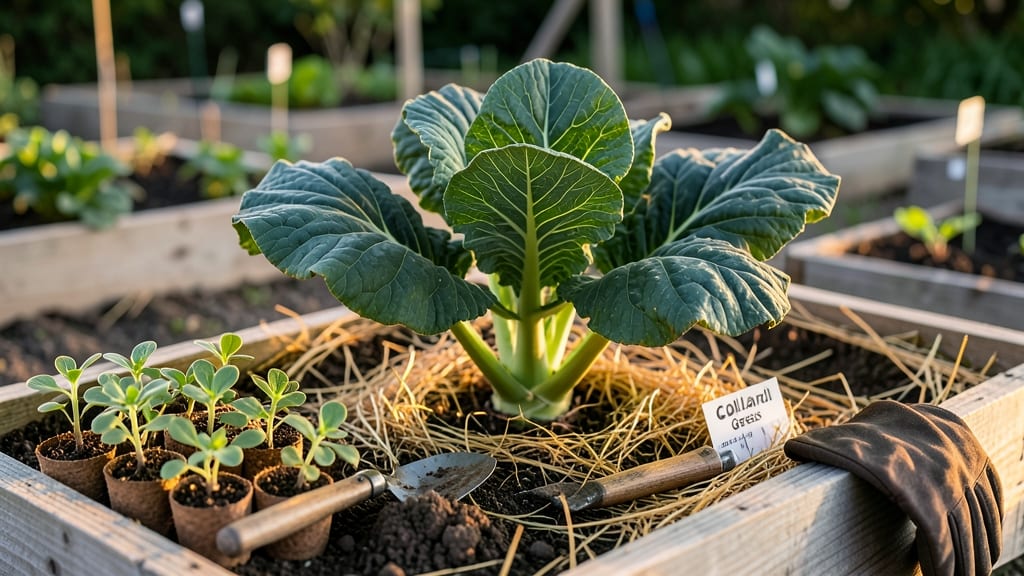
Planting a fall garden in Louisiana between mid-August and early October lets you beat the heat while setting up a harvest that lasts through December.
Louisiana’s long, hot summers might make you think fall gardening is impossible—but with the right timing and heat-tolerant crops, you can enjoy fresh harvests well into winter.
The trick is starting 6-8 weeks before your first frost (usually mid-December in most of the state) and choosing varieties that thrive in lingering summer heat before cooler weather arrives.
Below, I’ll break down the best planting windows by month, the top heat-resistant crops for Louisiana’s climate, and how to extend your harvest beyond the first frost.
Best planting timeline for Louisiana fall gardens by month
Louisiana’s humid subtropical climate means your fall garden can thrive even as summer lingers. The secret? Planting heat-resistant crops early enough to beat the late-summer heat while avoiding early frost risks.
With average first frost dates around December 15, you’ve got a 4-5 month window to grow everything from okra to kale.
Timing is everything in Louisiana’s USDA Zones 8a-9b. Plant too early, and your seedlings may bolting from heat stress. Plant too late, and frost will ruin tender crops before harvest. The sweet spot? Start in late August for fast growers and early September for cooler-season crops.
Here’s my month-by-month breakdown to help you maximize your fall harvest. Each month offers unique opportunities—whether you’re sowing directly outdoors or starting transplants indoors.
🌱 Pro Tip: Always check your local frost dates (they vary yearly) and adjust planting by 6-8 weeks before frost for most vegetables.
| Month | Heat-Tolerant Crops | Cool-Season Crops | Soil Prep | Care Tips |
|---|---|---|---|---|
| August | Okra, Sweet Potatoes, Black-Eyed Peas, Malabar Spinach | N/A (too hot) | Test pH (6.0-6.8), add compost | Mulch heavily to retain moisture |
| September | Collards, Turnips, Peppers, Eggplant | Lettuce (heat-tolerant varieties), Radishes | Aerate soil, mix in aged manure | Water deeply 2x/week; avoid wetting foliage |
| October | Kale, Mustard Greens, Broccoli, Carrots | Spinach, Swiss Chard, Beets | Add organic mulch (straw or leaves) | Reduce watering; harvest regularly to encourage growth |
| November | Garlic (for spring harvest), Onions | Cabbage, Brussels Sprouts, Lettuce | Cover soil with frost cloth if needed | Protect from light frosts with row covers |
In August, focus on fast-maturing heat lovers like okra and sweet potatoes. These crops can handle 90°F+ temperatures and still produce until October. Direct-sow seeds in well-draining soil and keep them consistently moist—Louisiana’s summer humidity helps, but don’t let soil dry out completely.
By September, temperatures drop just enough to introduce cool-season crops like collards and turnips. These thrive in 70-85°F and can tolerate light frosts.
Start seeds indoors or buy transplants from local nurseries to jumpstart growth. Peppers and eggplant can also extend their season if planted early in the month.
October is prime time for leafy greens and root vegetables. Kale and mustard greens actually sweeten after light frosts, making them perfect for Louisiana’s cooling temperatures. Plant broccoli and carrots in partial shade if your garden still sees afternoon heat.
Don’t overlook November—it’s ideal for garlic and onions, which need cool weather to bulb properly. For a last-minute harvest, plant fast-growing radishes or lettuce under row covers to protect from early frosts. If frost hits, harvest collards and kale before damage occurs—they’ll taste even better!
Remember: Mulching is your best friend in Louisiana’s fall garden. A 3-inch layer of straw or pine needles keeps soil warm longer in early fall and insulates roots as temperatures drop. Pair this with drip irrigation to avoid fungal diseases from overhead watering.
🌿 Key Takeaway: Start early, mulch well,
Top 5 heat-tolerant fall crops for Louisiana gardens
Louisiana’s late-summer heat can feel like a gardening roadblock, but heat-tolerant crops thrive when others wilt. These five powerhouse plants handle 90°F+ temperatures while still delivering abundant harvests before winter sets in. The secret? Choosing varieties bred for humid, subtropical climates like ours.
My top picks—Malabar spinach, black-eyed peas, jute mallow, okra, and sweet potatoes—don’t just survive the heat; they flourish. Each brings unique flavors and textures to your table while requiring minimal fuss.
Let’s dive into how to plant them for maximum yield in Louisiana’s Zone 8-9.
| Crop | Planting Depth | Spacing | Companion Plants | Best Time to Plant |
|---|---|---|---|---|
| Malabar Spinach | 1/4 inch deep | 12-18 inches apart | Okra, Peppers | August-September |
| Black-Eyed Peas | 1 inch deep | 3-4 inches apart | Corn, Cucumbers | July-August |
| Jute Mallow | 1/2 inch deep | 18-24 inches apart | Sweet Potatoes, Beans | August-September |
| Okra | 1/2 inch deep | 12-18 inches apart | Peppers, Tomatoes | June-August |
| Sweet Potatoes | Slips 3-4 inches deep | 12 inches apart | Peas, Beans | April-May (or slips in July) |
Malabar spinach is a standout for its heat tolerance and ability to produce tender leaves even when temps hit 95°F. Plant seeds 1/4 inch deep in well-draining soil and keep them 12-18 inches apart to avoid overcrowding. Pair it with okra and peppers to deter pests naturally.
Black-eyed peas are another workhorse crop that thrives in Louisiana’s humidity. Sow seeds 1 inch deep and space them 3-4 inches apart for optimal airflow. These nitrogen-fixing plants improve soil health while providing a protein-rich harvest. Plant them alongside corn or cucumbers for a three-sisters garden combo.
For a unique twist, try jute mallow, a heat-loving green with a slightly tangy flavor. Plant seeds 1/2 inch deep and space them 18-24 inches apart to give their sprawling vines room to grow. This drought-resistant plant pairs beautifully with sweet potatoes and beans.
Okra and sweet potatoes round out the list as heat-loving heavyweights. Okra seeds should go 1/2 inch deep with 12-18 inches between plants, while sweet potato slips need 3-4 inches of depth and 12 inches of spacing. Both love full sun and well-draining soil, making them perfect for Louisiana’s long, hot summers.
To maximize your fall harvest, start seeds indoors in late July for early August planting. Use mulch to retain moisture and drip irrigation to keep roots cool. With these heat-tolerant crops, you’ll enjoy fresh, homegrown vegetables well into November—or until the first frost! 🌱