
Blooming
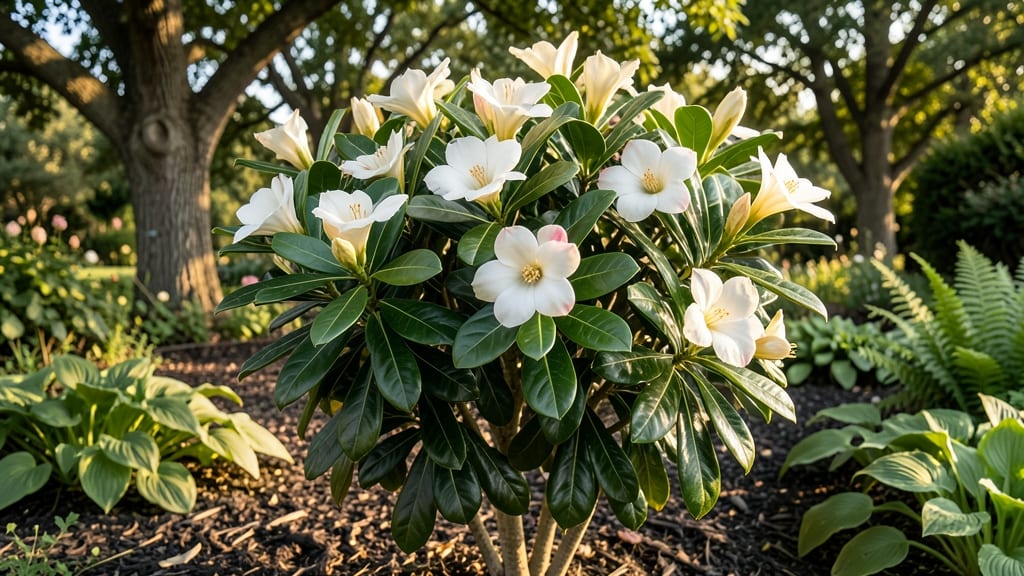
Gardenia flowers bloom between late spring and early fall, depending on where you live—think June through September in most temperate zones, with tropical varieties stretching the show year-round.
If you've ever dreamed of filling your garden with intoxicating, creamy-white blooms, timing is everything—especially when it comes to gardenias. These prized shrubs reward patience with stunning flowers, but only if you know exactly when they bloom based on your climate zone.
In cooler regions like USDA Zone 6, gardenias 🌸 typically wait until June, while warmer zones like Florida or Southern California see blooms as early as April.
Even mature plants can take a year or two to reach their full fragrant potential, so don’t rush—these beauties are worth the wait.
Below, I’ll break down the exact months by zone, plus the 5 key factors that can shift your gardenia’s blooming schedule—like sunlight, soil pH, and pruning. Ready to turn your yard into a fragrant paradise?
Gardenia flowering seasons by USDA hardiness zones (exact months)
Gardenias are famous for their intoxicating fragrance and glossy white blooms, but their flowering timeline varies dramatically depending on your USDA hardiness zone. In warmer climates, you might enjoy year-round blooms, while cooler zones experience a spring-to-summer show.
Understanding these patterns helps you plan for peak fragrance and optimal care.
Most gardenias bloom between late spring and early fall, but the exact months shift based on your zone. For example, Zone 11 gardeners enjoy blooms nearly year-round, while Zone 7 gardeners see a concentrated burst in June and July.
Let’s break down the early, peak, and late-season blooms for each zone to help you time your gardening tasks perfectly.
In Zone 7, gardenias typically kick off their show in late May, with peak blooming between June and July. This zone experiences the shortest flowering window, so timing your fertilizer applications and pruning is critical.
For example, applying a balanced acid fertilizer in early May can encourage earlier blooms.
Gardeners in Zone 8 enjoy a longer season, with blooms starting as early as May and lasting through September. However, regional variations matter—Gulf Coast gardenias often bloom 2-3 weeks earlier than those in the Pacific Northwest, where cooler summers delay the start.
If you live in Zone 8, consider planting dwarf varieties like 'Radicans' for earlier blooms.
Zones 9-11 offer the most flexibility, with Zone 9 gardeners seeing blooms from March through October and Zone 11 enjoying nearly year-round fragrance. In these warmer climates, winter pruning is key to maintaining shape and encouraging spring blooms.
For instance, prune lightly in January to remove dead wood and shape the shrub before the next flush of growth.
One common misconception is that gardenias bloom only once per year, but with the right care, you can extend their season. In Zones 7-8, deadheading spent blooms and applying a slow-release fertilizer in early summer can trigger a second flush of flowers in late summer.
Meanwhile, Zone 9-11 gardeners can achieve year-round blooms by providing consistent moisture and partial shade during peak summer heat.
If you're in a cooler microclimate within a warmer zone (e.g., Zone 9 but at higher elevation), expect blooms to align more closely with Zone 8 timing. Conversely, urban heat islands can push blooming 2-4 weeks earlier than rural areas.
Always monitor your gardenia’s bud development—when buds turn pinkish, blooms are just days away!
For container gardeners, blooming timing can shift slightly due to root temperature fluctuations. Potted gardenias in Zone 7 may bloom 1-2 weeks later than in-ground plants because soil warms more slowly.
To compensate, move containers to a sheltered, sunny spot in early spring and use mulch to retain heat.
Pro tip: Mark your calendar for the first frost date in your area. In Zone 7, this is typically mid-October, signaling the end of the blooming season.
In Zone 9, frost is rare, but a light frost can damage new growth, so protect your gardenias with burlap wraps if needed.
5 Key factors that determine gardenia blooming time (and how to control them)
Gardenias are famous for their heavenly fragrance and creamy-white blooms, but their flowering timing depends on five critical factors you can control. Whether you're in Zone 7 or Zone 10, understanding these elements will help you trigger earlier blooms or extend the season.
First, sunlight exposure sets the stage for blooming. Gardenias thrive in morning sun and afternoon shade, which mimics their natural tropical habitat. Too much direct sun can stress the plant, while insufficient light delays bud formation.
Next, soil pH plays a pivotal role—these divas demand acidic soil (pH 5.0-6.0) to absorb nutrients efficiently.
Your pruning schedule directly impacts blooming time. Prune gardenias right after flowering (late summer) to remove dead or overcrowded branches. This encourages new growth that will develop buds for next season. Avoid heavy pruning in fall or winter, as this can shock the plant and delay blooming.
Consistent watering techniques are another game-changer. Gardenias need deep, regular watering—aim for 1-1.5 inches per week. Water in the morning to reduce evaporation and fungal risks.
Overwatering or underwatering can both stress the plant, leading to fewer or later blooms. Use a moisture meter to check soil levels.
Finally, winter chilling needs are often overlooked. Gardenias in cooler climates (Zones 7-9) require 30-60 days of temperatures between 40-50°F to trigger blooming hormones. If your winters are too mild (like in Zone 10), your gardenia might bloom year-round but with less intensity.
For potted plants, move them to a cool garage or shaded patio during winter to mimic natural chilling.
By mastering these five factors, you’ll unlock earlier, more abundant blooms and enjoy that signature gardenia fragrance for months. Start with soil pH and sunlight, then fine-tune with watering and pruning—your garden will thank you with stunning, fragrant blooms! 🌸