
Blooming
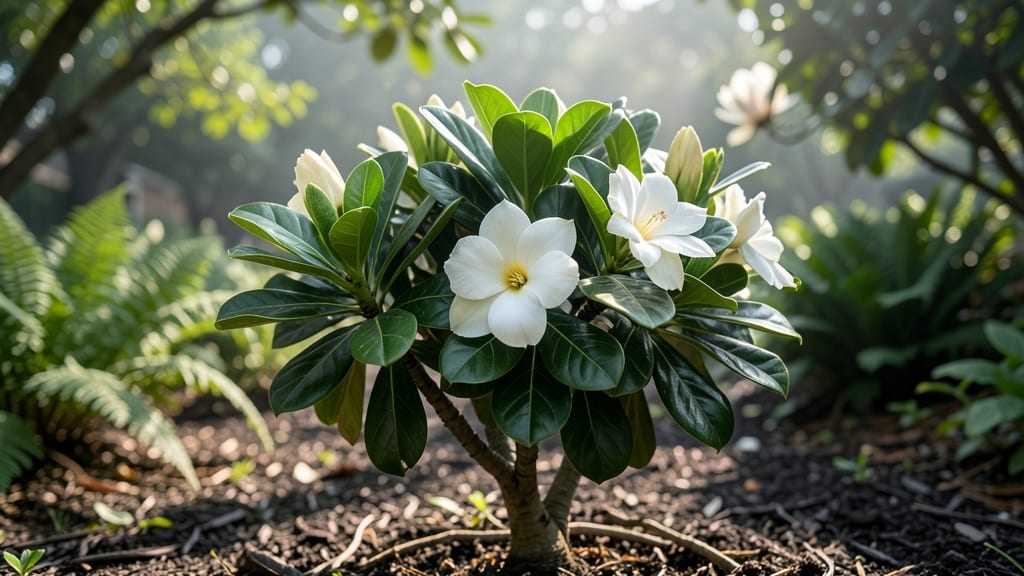
Gardenias in Texas bloom between late spring and early summer 🌸, with timing that shifts dramatically from North to South Texas—and even by variety.
If you’ve ever dreamed of filling your Texas garden with the intoxicating fragrance of gardenias, timing is everything—because these delicate blooms follow a precise seasonal schedule that varies dramatically by region and variety.
In North Texas (zones 8a-8b), expect blooms to kick off in April, while South Texas gardeners can catch fragrant flowers as early as March.
The key? Humidity, heat, and even a late frost can push blooms earlier or later—so knowing your zone and variety makes all the difference.
Below, I break down the exact months for each Texas region, the top varieties that thrive here, and pro tips to coax extra blooms from your 🌸—because with the right care, your gardenia could be in full glory for weeks longer than you’d expect.
Texas gardenia bloom schedule by USDA hardiness Zones (exact months)
If you’ve planted gardenias in your Texas garden, knowing their bloom schedule is key to enjoying those creamy-white, intoxicating flowers at the perfect time. Texas spans USDA zones 7-11, and each zone experiences different frost risks, heat intensity, and humidity levels that dramatically shift when your gardenias will bloom.
In Zone 7, for example, blooms may start as early as late February, while Zone 11 gardeners can expect year-round blooming with peak seasons in spring and fall.
Gardenias are spring bloomers by nature, but Texas’s varied climate zones create unique bloom windows for each region. The last frost date is your best friend for timing—gardenias need warm soil and air to trigger buds.
In North Texas (Zones 7-8), blooms often begin after the last frost in mid-February, while South Texas (Zones 9-11) sees blooms as early as January and sometimes even in winter.
Here’s the breakdown you’ve been waiting for—exact bloom months by zone, including early, peak, and late-season blooming periods—so you can plan your garden layout and care routine accordingly.
In Zone 7, gardenias are highly frost-sensitive, so blooms are concentrated in spring to avoid damage. The last frost date around March 15 signals the start of peak blooming, with flowers lasting until early May.
If you’re in Zone 8, you’ll enjoy a longer bloom season—March to May—with a few late blooms in June before summer heat sets in.
Gardeners in Zones 9-11 have the advantage of extended bloom seasons. In Zone 9, blooms start as early as January and can continue through September, while Zone 10 and Zone 11 gardeners may see year-round blooming, though summer heat can cause stress and reduce flower production.
In Zone 11, gardenias thrive with minimal frost risk, making them a low-maintenance perennial for fragrant gardens.
Environmental factors like humidity, temperature, and rainfall also play a role in bloom timing. High humidity in East Texas (Zones 8-9) can encourage earlier blooming, while dry heat in West Texas (Zones 8-10) may delay buds until soil moisture increases.
Always mulch around your gardenias to retain moisture and regulate soil temperature, which helps trigger consistent blooming.
If you’re in North Texas (Zones 7-8), protect your gardenias from late spring frosts by covering them with frost cloth or moving potted plants to a sheltered location.
In South Texas (Zones 9-11), shade cloth can help protect blooms from intense afternoon sun, which can cause buds to drop prematurely. With the right care, your gardenias will reward you with months of fragrant blooms tailored to your specific Texas zone.
Pro tip: Prune gardenias after their peak bloom season to encourage new growth and next year’s flowers. For Z
Top 5 gardenia varieties in Texas & their unique bloom timing
Texas gardeners know that gardenias reward patience with show-stopping blooms and heavenly fragrance—but not all varieties perform equally in our hot, humid climate. The right variety can mean the difference between abundant spring flowers and sparse blooms.
Let’s explore five top gardenia varieties that thrive in Texas, their unique bloom timing, and how to maximize their potential.
From early spring bloomers to late-season performers, each variety has its own schedule. 'Kleim’s Hardy' is a fan favorite for its resilience in North Texas, while 'Radicans' delivers compact, fragrant blooms perfect for small spaces.
Understanding these differences helps you choose the right gardenia for your yard’s microclimate and extend the blooming season as long as possible.
'Kleim’s Hardy' is the gold standard for Texas gardeners, thanks to its cold tolerance and prolonged blooming from late March through May. This variety thrives in USDA Zones 7-10 and produces large, creamy-white blooms with a rich, tropical scent. To encourage more flowers, prune lightly after blooming and mulch heavily to protect roots from summer heat and winter chill.
'Radicans', or trailing gardenia, is perfect for containers or hanging baskets and blooms slightly earlier than other varieties, from February to April. Its smaller size (2-3 feet) makes it ideal for patios or balconies, and its intense fragrance draws pollinators like bees and butterflies. For best results, plant in morning sun and afternoon shade to prevent leaf scorch in Texas’s brutal summer sun.
'Veitchii' stands out with its dark green, glossy foliage and double blooms that appear from late February to early May. This variety is less heat-tolerant than others, so provide afternoon shade in South Texas to prevent bud drop. Its stronger fragrance makes it a favorite for cut flower arrangements, but it requires consistent moisture—never let the soil dry out completely.
If you love longer blooming seasons, 'Fortuniana' is a hidden gem. This variety produces smaller but prolific blooms from March through June, making it one of the latest bloomers in Texas.
It’s also more drought-tolerant than other gardenias, which is a game-changer for North Texas where water restrictions are common. Pair it with mulch to retain moisture and reduce watering frequency.
For unique color variations, 'Mystery' gardenia offers pink-tinged buds that open to creamy-white blooms from April to May. While it blooms later than other varieties, its exotic appearance makes it a conversation piece in any garden.
To encourage blooms, feed with acid-loving plant fertilizer in early spring and prune lightly to shape the bush without removing too many flower buds.
No matter which variety you choose, consistent care is key to maximizing blooms in Texas. Test your soil pH (gardenias love acidic soil, pH 5.0-6.0), water deeply but infrequently, and protect from harsh afternoon sun.
With the right variety and care, your Texas garden can burst into fragrant blooms for months—starting as early as February and lasting into June.