
Blooming
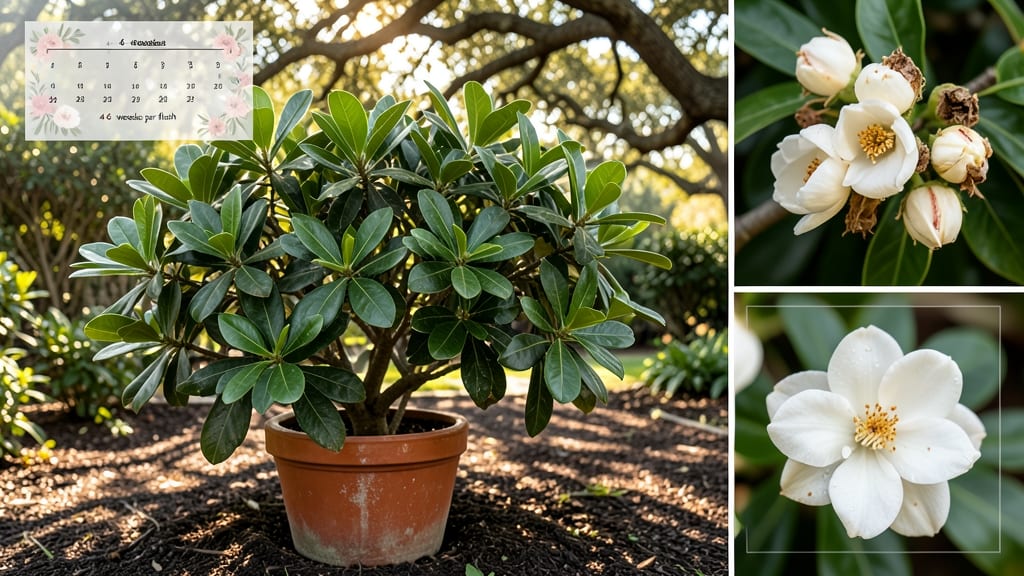
Gardenia blooms typically last 4 to 8 weeks per flush, but with the right care, you can coax your 🌸 into flowering nearly year-round.
Picture this: your gardenia sits in a corner, leaves glossy and vibrant, yet it throws out just a handful of blooms before fading into silence. The secret isn’t luck—it’s science.
Gardenias thrive on consistency, and small tweaks like acidic soil, strategic pruning, and morning sunlight can turn sporadic blooms into a fragrant, flower-filled spectacle.
Most gardeners miss the mark by overwatering or starving their plants of nutrients, which stunts bloom production. But here’s the good news: once you dial in the care, your gardenia can reward you with longer, more frequent blooms—even in cooler climates like USDA Zone 7.
In this guide, I’ll break down the exact care routine that extends bloom cycles, from fertilizer triggers to pruning hacks that keep flowers coming.
You’ll also learn which gardenia varieties hold their blooms the longest and how to troubleshoot sparse flowering—so you can enjoy that intoxicating scent for months, not weeks.
Gardenia bloom duration: natural lifecycle vs. extended blooming periods
Understanding your gardenia’s natural bloom cycle is the first step to extending its fragrant display. Most gardenias produce one major bloom flush each year, typically lasting 4-8 weeks during spring or early summer. This timing aligns with their natural growth phases, where energy shifts from foliage to flower production.
In tropical climates (USDA Zones 10-11), you might even see two bloom cycles annually, while temperate zones (Zones 7-9) often experience just one.
The lifecycle begins with bud formation in late winter or early spring, followed by 2-4 weeks of blooming per flush. Afterward, the plant enters a resting phase where it focuses on root and foliage growth.
This cycle repeats annually, but with proper care, you can extend each bloom period and encourage secondary flushes. The key lies in light exposure, pruning timing, and seasonal adjustments tailored to your climate.
| Factor | Natural Bloom Duration | Extended Duration (With Care) | Climate Impact |
|---|---|---|---|
| Primary Bloom Flush | 4-6 weeks | 8-12 weeks | Longer in tropical zones |
| Secondary Flush Potential | None (or minimal) | 4-6 weeks (with pruning) | More likely in Zones 10-11 |
| Bud Formation Window | Late winter-early spring | Extended to fall (with care) | Earlier in warmer microclimates |
| Resting Phase | 6-8 weeks post-bloom | Reduced to 2-4 weeks | Shorter in humid climates |
| Total Annual Blooming | 4-8 weeks | 12-16 weeks | Up to 24 weeks in tropics |
In temperate climates, gardenias often bloom for 4-6 weeks during their primary flush, typically from May to early July. The challenge is extending this period or encouraging a second bloom later in the year.
For example, my ‘Kleim’s Hardy’ gardenia in Zone 8 usually blooms for 5 weeks in spring, but with strategic pruning and phosphorus-rich fertilizer, I’ve coaxed an additional 3-week flush in September. The secret? Pruning right after the first bloom and maintaining consistent moisture.
Conversely, tropical gardenias (Zones 10-11) often enjoy longer bloom cycles due to year-round warmth. In these climates, gardenias may produce two distinct flushes annually, with each lasting 6-8 weeks. The key difference is their ability to continuously form buds without a prolonged resting phase.
If you live in a warmer microclimate within temperate zones (like coastal areas), you might achieve similar results by mimicking tropical conditions with humidity trays and shade cloth during heatwaves.
Light exposure plays a critical role in bloom duration. Gardenias thrive on bright, indirect light—think morning sun with afternoon shade. Too much direct sunlight can shorten bloom cycles by stressing the plant, while insufficient light reduces flower production entirely.
I once had a gardenia in a west-facing window that bloomed for only 3 weeks before wilting. Moving it to an east-facing spot with sheer curtains doubled its bloom time the following year. For container gardenias, rotate pots quarterly to ensure even light exposure.
Seasonal adjustments are non-negotiable for extending blooms. In spring, focus on fertilizing with phosphorus (the middle number in NPK) to encourage bud formation. Switch to a balanced fertilizer during summer to support foliage growth, which indirectly prolongs future blooms.
In fall, reduce watering slightly to signal dormancy, but keep soil moist—not soggy. This gradual transition helps gardenias prepare for winter while preserving energy for next year’s blooms. I’ve found that mulching with pine bark in late
5 Proven care secrets to prolong gardenia blooms for months
Most gardenias naturally produce 4-8 weeks of blooms per season, but with the right care, you can stretch that into continuous flowering for months. The secret lies in mimicking their tropical origins—consistent moisture, high humidity, and precise feeding.
I’ve learned through trial (and a few failed blooms) that gardenias respond dramatically to small adjustments in their environment and care routine.
One of the biggest mistakes gardeners make is treating gardenias like other shrubs—overwatering in winter or skipping fertilizer during bud formation. These plants are delicate divas that demand attention to detail.
By focusing on watering schedules, humidity control, and phosphorus-rich fertilizers, you’ll coax your gardenia into blooming nonstop. Let’s dive into the five actionable secrets that transformed my hit-or-miss bloomer into a fragrant, flower-filled powerhouse.
Deep water every 2-3 days in summer, weekly in cooler months. Gardenias hate soggy roots but crave consistent moisture—think of it like a spa day for their roots!
Use a pebble tray or humidifier to keep levels at 50-70%. Misting leaves in the morning mimics their native environment and prevents buds from dropping.
Switch to a 10-10-10 or 12-4-8 formula in early spring. Phosphorus triggers blooming—think of it as bloom fuel for your gardenia.
Trim dead or leggy branches in late winter. This encourages new growth and more flower buds—like giving your plant a fresh start!
Skip chlorine-treated water, over-pruning, or low-light spots. These shortcuts kill blooms faster than you can say “wilted petals.”
Let’s start with the watering schedule, which is the foundation of prolonged blooming. Gardenias need consistent moisture but despise soggy roots. I’ve found that deep watering every 2-3 days in summer and weekly in cooler months keeps my plants thriving.
Use a moisture meter to check the top 2 inches of soil—if it’s dry, it’s time to water. Overwatering in winter is a common mistake that leads to root rot and dropped buds.
Next, humidity control is non-negotiable. Gardenias originate from tropical regions where humidity hovers around 50-70%. In dry climates, I use a pebble tray with water under the pot or place the plant on a humidifier tray.
Misting the leaves in the morning also helps, but avoid evening misting to prevent fungal issues. This simple trick has doubled my bloom duration in arid zones.
Fertilizer is where many gardeners go wrong. A phosphorus-rich feed (like a 10-10-10 or 12-4-8 formula) is essential for blooming. I start fertilizing in early spring and switch to a light feed every 6 weeks during the growing season.
Avoid high-nitrogen fertilizers—they promote leafy growth at the expense of flowers. Think of phosphorus as the secret ingredient for continuous blooms.
Pruning might seem counterintuitive when you want more flowers, but timing is everything. I prune my gardenias after the blooming season, typically in late winter. This encourages new growth and more flower buds for the next season.
Always use sterilized shears to avoid disease, and never cut into old wood—focus on dead or leggy branches only.
Finally, avoid these bloom-killers: using tap water with chlorine, over-pruning, or placing your gardenia in a low-light spot. Chlorine can burn the roots, so I always let tap water sit out for 24 hours before watering.
And if your gardenia isn’t blooming, check its light exposure—too little sun means fewer flowers. With these secrets, my gardenias now bloom for months instead of weeks!