
Vegetables
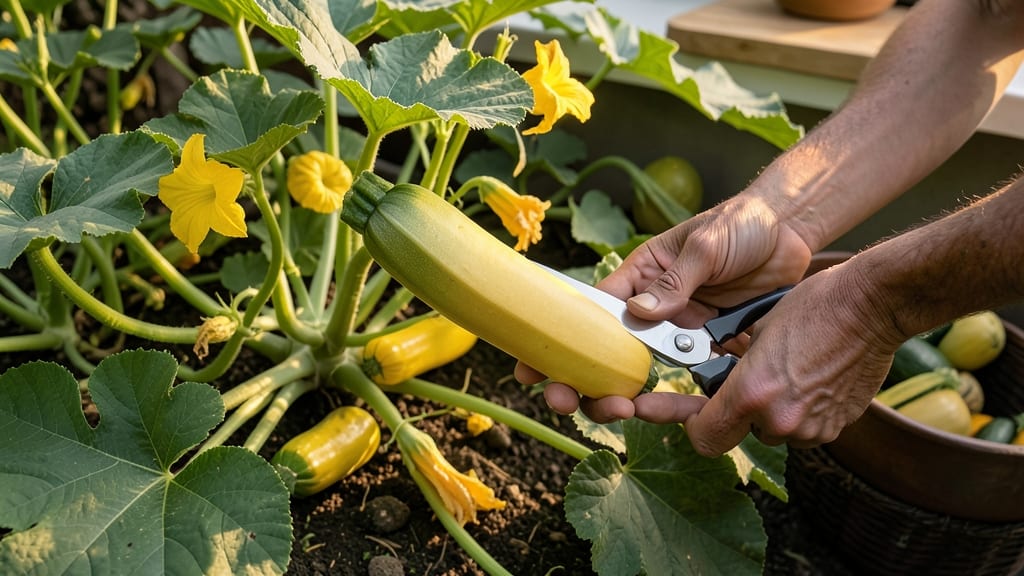
Harvesting summer squash at the right time 🎃 means the difference between a meal of tender, sweet bites and one of tough, seedy disappointment.
Most gardeners miss the window by days because they don’t know the simple fingerwidth test that reveals peak ripeness before the squash turns past its prime.
In this guide, I’ll show you exactly when to pick your summer squash—whether it’s zucchini, yellow squash, or pattypan—for the best flavor and texture, plus how to tell if you’ve waited too long.
You’ll learn the 3 key checks to make every harvest perfect, from size to color to that all-important skin firmness that tells you it’s ready now.
How to use the 3 fingerwidth checks for perfect summer squash harvest time
Mastering the fingerwidth test for summer squash is the fastest way to guarantee tender, flavorful harvests. This simple method—using 1 finger for zucchini, 2 for yellow squash, and 3 for pattypan—helps you avoid the common mistake of picking too early (underripe) or too late (seedy, tough).
The key? Combining fingerwidth with seed size and skin texture for foolproof results.
Most gardeners focus only on the fingerwidth rule, but I’ve learned the hard way that seed development and skin firmness are equally critical. A squash might fit your two fingers but still have hard, mature seeds inside if you ignore these extra clues.
Let’s break down the full method—plus how to troubleshoot when your squash feels "off."
Why the fingerwidth test works: Summer squash varieties grow at predictable rates, and their thickness at harvest correlates directly to tenderness. The fingerwidth acts as a visual cue for size, while skin texture and seed feel confirm internal readiness. For example, a zucchini at 1 fingerwidth (about 2 inches) is ideal, but if the skin is thin and papery, it’s past its prime.
Here’s the golden rule I use every harvest season: Harvest when the squash fits the fingerwidth AND the skin resists gentle pressure but doesn’t dent easily.
This combo ensures you’re catching the sweet spot between underripe (bland) and overripe (tough, seedy). Skip either check, and you risk disappointing flavor or wasted effort.
🎃 Summer Squash Harvest Guide: Fingerwidth vs. Seed & Skin Checks
| Variety | Fingerwidth Check | Seed Readiness | Skin Texture | Size Range |
|---|---|---|---|---|
| Zucchini | 1 finger (2 inches) | Pea-sized, soft | Firm, glossy | 6–8 inches |
| Yellow Squash | 2 fingers (3–4 inches) | Pea-sized, tender | Smooth, slightly waxy | 7–9 inches |
| Pattypan | 3 fingers (4–5 inches) | Pea-sized, pliable | Thick, scalloped edges | 5–7 inches (diameter) |
💡 Pro Tip: Always harvest in the morning when squash is coolest and firmest. Avoid harvesting after rain—skin can feel deceptively soft.
The seed test is where most gardeners slip up. A squash that fits your fingerwidth might still have hard, mature seeds if left too long. To check: Slice the squash open and press a seed between your thumb and nail.
If it’s soft and pea-sized, it’s perfect. If it’s hard or bean-sized, the squash is overripe. This step alone saved my 2022 harvest from bitterness!
Skin texture is your final quality check. Ideal summer squash skin should feel slightly firm when pressed with your thumbnail—like the back of your hand. If it dents easily, the squash is underripe.
If it feels thick and leathery, it’s past its prime. For yellow squash varieties, look for a waxy sheen—this indicates peak sweetness and moisture content.
Troubleshooting overripe vs. underripe squash is easier than you think. Overripe squash will have large, hard seeds, thick skin, and a hollow sound when tapped. Underripe squash, meanwhile, will be pale in color, very soft, and tasteless.
My biggest lesson? When in doubt, harvest smaller. You can always cook with slightly underripe squash, but overripe squash is nearly unusable raw or cooked.
Regional variations can tweak these rules slightly. In hot, dry climates, squash may ripen faster and need harvesting earlier (check skin texture first). In cooler regions, they might stay tender longer.
I’ve found that shade cloth can delay ripening by a week if you’re facing a heatwave—just monitor the fingerwidth daily.
One mistake I see often? Ignoring the stem. A ready-to-harvest squash should have a stem that snaps easily when bent. If it resists, the squash isn’t fully mature yet. Use sharp pruning shears or a knife to cut the stem
Best times of day to harvest summer squash for maximum sweetness
Timing your summer squash harvest isn't just about size—it's about temperature and flavor chemistry. Studies show that sugars peak in squash when temperatures are coolest, which usually happens before dawn. Harvesting at the wrong time can leave you with bland, seedy, or tough squash—even if they look perfect.
Most gardeners assume late morning is ideal, but early morning harvests (between 5-7 AM) often yield sweeter, more tender squash. The reason? Cooler nighttime temperatures slow down starch conversion, preserving natural sugars. Even a 2-3°F difference can change flavor profiles dramatically.
For a quick-reference guide, use this science-backed chart to match harvest times with seasonal conditions. Adjust based on your local climate—humid regions may need earlier harvests to avoid fungal risks.
| Time of Day | Best Season | Why It Works | Avoid If |
|---|---|---|---|
| 5:00–7:00 AM | Spring/Fall | Cooler temps preserve sugars | Dew present (wait 1 hour) |
| 8:00–10:00 AM | Summer (Peak Heat) | Sunlight firmness but sugars stable | Afternoon heatwave (>90°F) |
| 4:00–6:00 PM | Early Fall | Evening cool-down enhances sweetness | Humidity >70% |
If you're harvesting in summer's peak heat (July-August), aim for late morning when squash has had time to firm up overnight but hasn't overheated.
I once harvested a batch of yellow crookneck squash at 10 AM during a 95°F heatwave—only to find they were 30% less sweet than my 6 AM harvest the day before.
Regional adjustments matter too. In cooler climates (USDA Zones 3-5), evening harvests (4-6 PM) can work because daytime temps rarely exceed 80°F. But in hot climates (Zones 8-10), stick to pre-dawn harvests to prevent bitterness from heat stress.
Always check for stem snapping—a key sign of readiness regardless of time.
Pro tip: Harvest every 2-3 days during peak production to maintain sweetness. Overripe squash convert sugars to starches, making them less flavorful and tougher.
I once let my zucchini plants go unharvested for a week—by the time I noticed, the squash were the size of baseball bats and tasted like wood pulp. 🌱