
How To
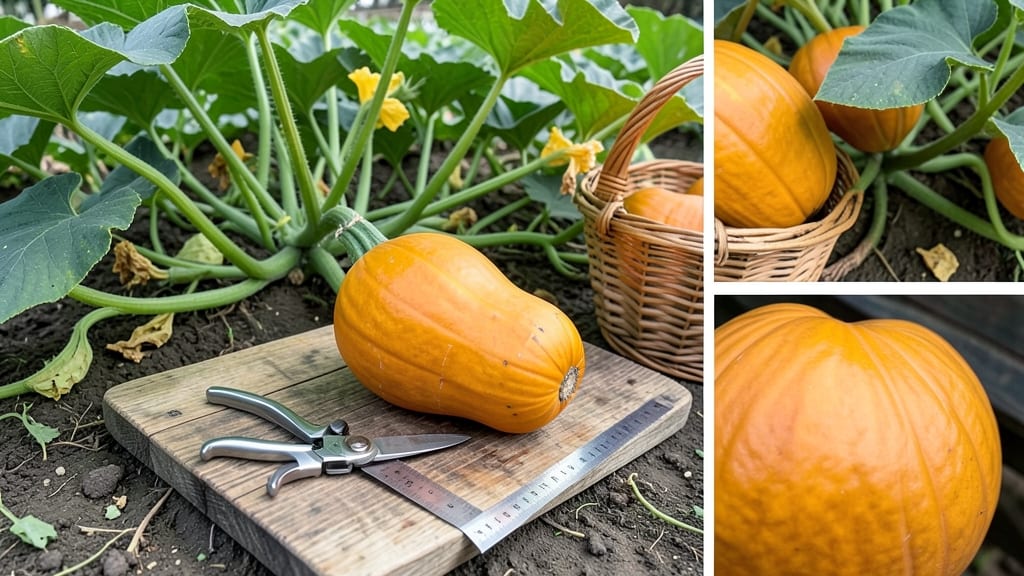
Knowing when to harvest squash means the difference between a tender, flavorful meal and a tough, bitter disappointment 🎃 — and the secret lies in three simple tactile tests that take just seconds.
Picture this: you’ve spent weeks tending to your squash plants, and now the vines are heavy with fruit. But how do you know if it’s truly ready? Picking too early means wasted effort, while waiting too long can turn sweet flesh into a rock-hard mess.
The good news? You don’t need a degree in botany to tell when your squash is at its peak.
In this guide, I’ll walk you through the three foolproof methods I use every summer to harvest squash at the perfect moment—whether it’s zucchini, butternut, or pumpkins. No more guessing, no more second thoughts. Just crisp, sweet squash that tastes like summer in every bite.
You’ll also learn how to avoid the most common mistakes, like harvesting when the skin is still tender or ignoring the vine’s signals. By the end, you’ll be a squash-harvesting pro, ready to turn your garden’s bounty into delicious meals all season long.
3 Tactile tests to harvest squash at perfect ripeness
Harvesting squash at the right moment transforms your garden's hard work into flavorful, tender produce. But how do you know when that perfect time arrives? Many gardeners rely on guesswork, leading to tough, seedy squash or wasted effort on underripe fruits.
The secret lies in three science-backed tactile tests that reveal ripeness through touch, sight, and a little patience.
These methods work for all squash varieties—from zucchini and yellow squash to butternut and pumpkins. Each test provides clear signals, ensuring you harvest when sweetness peaks and texture is ideal. Whether you're a seasoned gardener or just starting, mastering these tests will elevate your harvests every season.
- 1
- 2
- 3
For zucchini and yellow squash, focus on the stem separation and skin firmness tests. These varieties ripen quickly—often within 3-5 days of reaching their mature size. Harvesting them too late turns their flesh woody and seedy, ruining their delicate flavor.
I’ve found that checking these squash every other day in late summer prevents overripening.
Butternut squash and pumpkins, on the other hand, take longer to mature. The thump test becomes especially useful here because their thicker skins make them harder to puncture with a fingernail.
A ripe butternut will feel heavy for its size and have a skin that’s too tough to dent with your thumbnail. Waiting for these cues ensures a sweet, dense flesh perfect for roasting or storage.
One common mistake I see is relying solely on size. While squash like pumpkins do reach a specific diameter, texture and color matter more for flavor. For example, a 6-inch zucchini might be ready, but an 8-inch butternut could still need weeks.
Always combine these tests for accuracy. Pro tip: Harvest in the morning when temperatures are cooler—this reduces stress on the plant and preserves quality.
Seasonal timing also plays a role. In USDA Zone 6a, I start testing summer squash in July and winter squash by early September. First frost dates can shift ripening windows, so adjust your checks accordingly.
If you’re in a warmer climate, your squash may mature earlier—always prioritize the tactile tests over calendar dates.
Once you’ve mastered these tests, you’ll never second-guess your harvest again. The difference between a perfectly ripe squash and one that’s past its prime is just a few extra days on the vine.
With practice, these simple checks become second nature, and your kitchen will always be stocked with homegrown squash at its peak.
Ready to put these tests to work? Grab a squash from your garden, give it a gentle thump, and see how it sounds. If it passes all three tests, it’s time to celebrate—you’ve just harvested a flavor-packed victory straight from your soil!
Varietal-specific harvest timing: when zucchini, butternut, and pumpkins differ
Not all squash ripen the same way—zucchini and other summer squash thrive when harvested young and tender, while butternut squash and pumpkins need time to harden their skin for storage. Understanding these varietal differences prevents bitter flavors or wasted effort.
For example, a 6-inch zucchini is perfect to pick, but a 10-pound pumpkin requires months to mature. Let’s break down the key signals for each type.
Summer squash like zucchini and yellow crookneck should be harvested when they’re 6–8 inches long and still tender. Their skin is thin and easily pierced with a fingernail, and the seeds inside are small and soft.
Waiting too long turns them woody and seedy. Winter squash, however, like butternut and pumpkins, need time to develop a thick, hard rind—a sign they’re ready for long-term storage.
For zucchini, size is your best friend—harvest when they’re 6–8 inches long to avoid bitterness. Their skin should still yield slightly when pressed, and the stem should snap cleanly. Overlooking these cues leads to oversized, seedy squash that’s tough to eat.
In contrast, butternut squash and pumpkins should be left on the vine until their skin hardens completely, often taking 80–100 days to mature.
Winter squash like butternut and pumpkins rely on rind thickness as their primary ripeness signal. Press your thumbnail into the skin—if it doesn’t dent, it’s ready. The stem will also dry out and detach easily, and the squash will feel heavy for its size.
Ignoring these signs means risking rot or poor storage life, as winter squash need time to develop natural sugars and protective layers.
Pro tip: Check squash daily during peak ripening seasons (July–September) to avoid missing the window. For zucchini, harvest every 2–3 days to encourage more production, while winter squash can wait until fully mature.
Use a sharp knife or pruners to cut stems, leaving a 1-inch stem attachment to extend shelf life.
Remember, harvest timing directly impacts flavor. Summer squash should taste mild and sweet when ripe, while winter squash will be richer and nuttier once fully hardened.
Paying attention to these varietal-specific cues ensures your garden’s squash is always at its best—whether you’re grilling zucchini or roasting butternut for the holidays.