
Vegetables
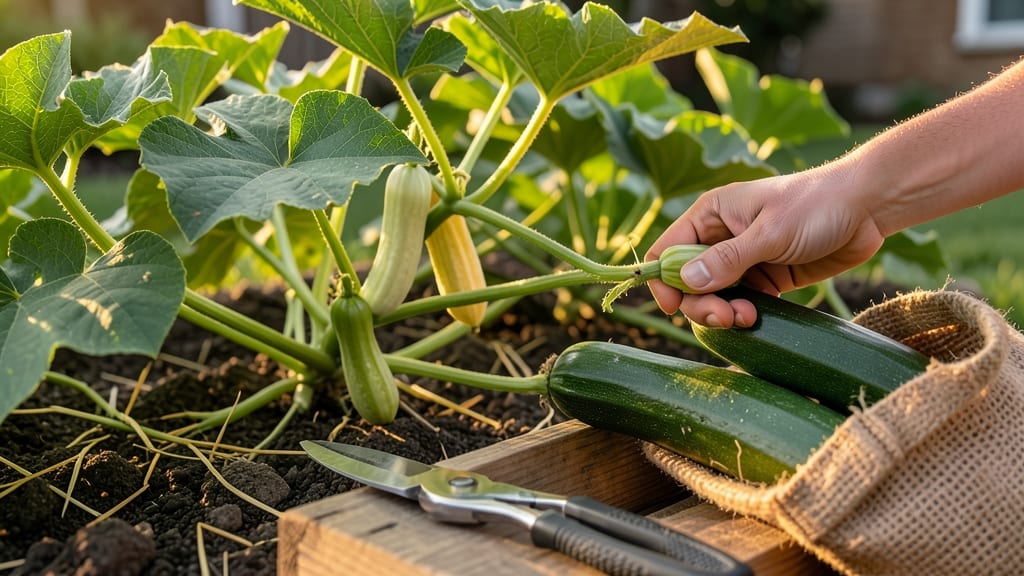
Harvesting summer squash 🎃 at the right time guarantees tender, flavorful fruit—before the seeds turn hard and the flesh becomes tough.
Picking too early means bland, underdeveloped squash, while waiting too long turns your harvest into a meal of regret. The difference between a perfect zucchini and a seedy mess often comes down to three simple tests you can do right in your garden.
Most varieties—like zucchini, yellow squash, or pattypan—reach peak flavor when they’re 6 to 8 inches long, with skin that yields slightly to gentle pressure. But size isn’t the only clue; color, stem condition, and even seed development play a role.
In this guide, I’ll walk you through non-destructive ways to check ripeness, avoid common mistakes, and keep your summer squash producing all season long.
3 Non-destructive tests to check summer squash ripeness
Summer squash grows so quickly that one day you're admiring tiny blossoms, and the next—BAM!—you're staring at a foot-long monster that's already past its prime. The key to peak flavor and tender texture lies in knowing exactly when to pluck it from the vine.
Unlike winter squash, which ripens further after harvest, summer squash should be picked at its perfectly tender stage. Here's how to test ripeness without damaging your plant or wasting your harvest.
Overharvesting isn't the issue—underharvesting is. If you let summer squash linger too long, it becomes woody, seedy, and bitter, turning what should be a delicate side dish into a chewy disappointment. But checking ripeness doesn't require guesswork.
With these three simple tests, you'll master the art of timing your harvest like a pro. No more second-guessing, no more food waste, just consistently perfect squash straight from your garden to your plate.
- 1 Thumb Pressure Test: Press your thumbnail into the skin near the stem. If it yields slightly but doesn't dent deeply, it's ready. A firm resistance means wait a day or two, while a deep indentation signals overripe squash.
- 2 Skin Texture Check: Run your fingers over the skin surface. Ready squash feels smooth but slightly yielding, like a ripe avocado. If it's rough or bumpy, it's not there yet. A glossy sheen often indicates peak ripeness for varieties like yellow squash.
- 3 Seed Development Inspection: Gently twist the squash to expose the stem end. At the perfect moment, the seeds are tiny (like a pinhead) and the stem end turns yellowish. If seeds are larger than 1/4 inch or the stem stays green, hold off on harvesting.
Let's break down the thumb pressure test first, as it's the most foolproof method for beginners. Place your thumbnail on the side of the squash (not the bottom) and press firmly. The ideal squash should feel like it's just resisting—not too soft, not too hard.
Think of it like testing a ripe peach: enough give to know it's ready, but not so soft it's mushy. This test works for all summer squash varieties, including zucchini, yellow squash, and pattypan.
For skin texture, focus on the maturity-specific cues. Zucchini, for example, should have a smooth, slightly waxy skin when ready, while yellow squash often develops a shiny, almost translucent surface.
Avoid harvesting when the skin feels leathery or dull, as this indicates the squash has passed its prime. Pro tip: Check the skin in morning sunlight—this is when the natural sheen is most visible.
The seed development test is often overlooked but is crucial for flavor and texture. When squash seeds are still tiny, the flesh remains tender and sweet. Once those seeds grow larger than a pinhead, the squash becomes seedy and fibrous.
This test also helps you avoid the "zucchini monster" problem—those massive, overgrown squash that take up your entire garden bed. Twist gently to check the stem end; if it snaps cleanly, it's ready to harvest.
Timing your harvest correctly also encourages more production. Summer squash plants are prolific, but they need consistent harvesting to keep producing. If you let squash grow too large, the plant redirects energy to seed development instead of flowering.
This means fewer squash over time. By using these three non-destructive tests, you'll keep your plants happy, your harvests abundant, and your kitchen stocked with perfectly ripe summer squash.
One common mistake is harvesting too early based solely on size. Just because a zucchini reaches 6 inches doesn't mean it's ready—it could still be hard and underdeveloped inside. Always combine size, skin texture, and seed checks for the most accurate results.
For example, a 6-inch pattypan squash might be ready, while a 6-inch zucchini could still need a few more days to tenderize.
Another pro tip: Harvest in the morning when temperatures are cooler. This ensures the squash hasn't been sitting in the hot afternoon sun, which can make the skin tougher and less flavorful.
Use a sharp knife or pruning shears to cut the squash from the vine, leaving about 1 inch of stem attached. This prevents damage to the plant and helps it recover faster for the next harvest.
Remember, summer squash is best used fresh within a few days of harvest. Storing them in the fridge can make the skin dull and the flesh watery. If you find yourself with more squash than you can use, try freezing or pickling the extras.
But with these ripeness tests, you'll likely find yourself harvesting just the right amount—no waste, no regret, just perfect squash every time.
Summer squash variety-specific harvest times and size guides
Not all summer squash varieties ripen at the same time or size.
Understanding the maturity timelines for your specific plants ensures you harvest at peak flavor and texture. Zucchini and yellow squash may look similar but have different ideal harvest windows, while pattypan and crookneck varieties require even more precise timing to avoid bitterness or overgrowth.
Harvesting too early means tough, underdeveloped squash, while waiting too long results in seedy, stringy produce. Each variety has its own size range and days to maturity, so knowing these details helps you plan your garden and meal prep.
Below, I’ve broken down the key details for the most popular summer squash varieties to help you time your harvest perfectly.
| Variety | Days to Maturity | Ideal Size | Harvest Cues | Best Flavor Window |
|---|---|---|---|---|
| Zucchini | 45–55 days | 6–8 inches long | Skin yields to thumb pressure, stem snaps | Early to mid-summer |
| Yellow Squash | 50–60 days | 6–9 inches long | Color fully vibrant, skin tender but firm | Mid to late summer |
| Pattypan | 50–55 days | 3–4 inches wide (scalloped shape) | Skin softens slightly, edges flatten | Early summer (harvest frequently) |
| Crookneck | 50–60 days | 7–10 inches long (curved neck) | Neck straightens, skin glossy | Late summer (avoid overgrowth) |
For zucchini, aim to harvest when the squash reaches 6–8 inches in length.
This variety matures quickly—often within 45–55 days—so check your plants every 2–3 days once they start producing. Yellow squash, on the other hand, takes slightly longer to reach its ideal size of 6–9 inches and benefits from being harvested in the morning when sugars are at their peak.
Pattypan squash is unique because of its scalloped shape and smaller size. Harvest these when they’re about 3–4 inches wide and the edges start to flatten. Since pattypan varieties produce prolifically, I recommend harvesting every 1–2 days to encourage more fruit and prevent bitterness. Crookneck squash, with its distinctive curved neck, should be picked when the neck straightens and the skin becomes glossy—usually around 7–10 inches long.
One common mistake I see is harvesting based solely on size. While size is a key indicator, always check the skin texture and stem condition too. A squash that’s the right size but still has a green stem end or feels rock-hard isn’t ready yet.
Conversely, if the skin is tough or the seeds are large, it’s past its prime. Paying attention to these visual and tactile cues will help you nail the perfect harvest every time.
Pro tip: Use a sharp knife or pruning shears to harvest summer squash. Cut the stem about 1 inch above the squash to avoid damaging the vine. This method also reduces the risk of disease entering the plant.
Store your freshly harvested squash in a cool, dry place for up to 5–7 days, or refrigerate for longer storage—though they’re best enjoyed fresh from the garden!