
Vegetables
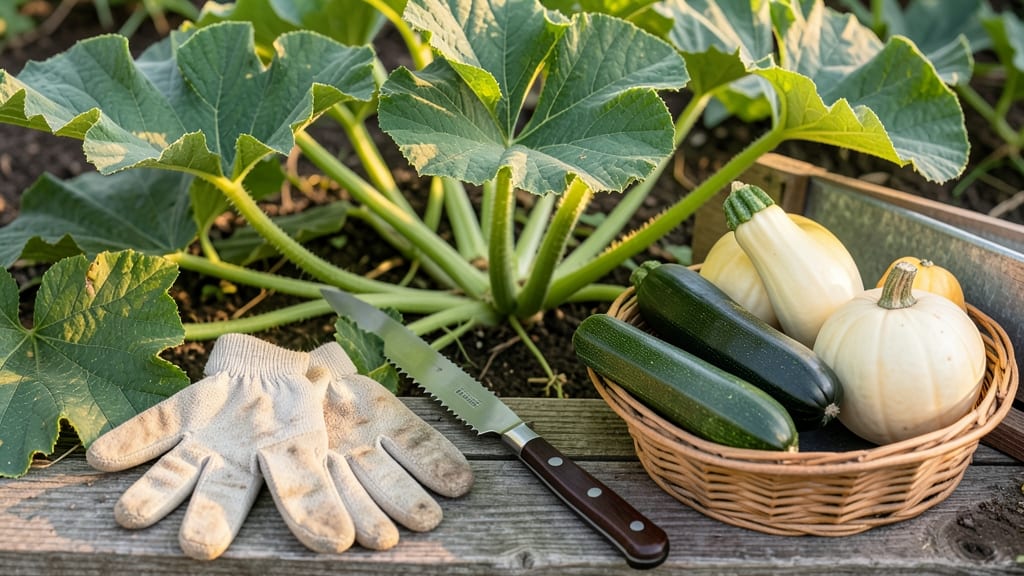
Harvesting squash at the right time means catching it when the skin hardens, the seeds firm up, and the vines start to fade — all clues your 🎃 is ready to pick.
You’ve spent weeks tending to your squash, watching those vines sprawl and the fruit swell, only to wonder: When is it really done? Miss these three key signs, and you might end up with tough, seedy squash that’s past its prime.
The difference between a perfect harvest and a disappointing one often comes down to timing.
In Zone 6, summer squash like zucchini and yellow crookneck are ready in 50-60 days, while winter varieties like butternut and pumpkins take 80-100 days. But days alone won’t tell you—you’ve got to check the skin, the stem, and even the seeds to know for sure.
Below, I’ll show you exactly what to look for and how to test it without guessing.
Once you’ve mastered the signs, you’ll also learn how to harvest properly (cutting vs. twisting), how often to pick for continuous production, and the best ways to store your squash so it stays fresh long after the vines die back.
3 Clear signs your squash is ready for harvest (vines & seeds)
Harvesting squash at the right moment transforms your garden into a treasure trove of flavorful produce. But how do you know when that perfect time arrives? The key lies in three unmistakable signs—vine dieback, seed hardening, and skin color changes—that signal your squash is ready to pick.
Ignore these cues, and you might end up with overripe, tough-skinned squash that’s past its prime. Let’s dive into what to watch for in your garden.
First, understand that different squash varieties—like zucchini, butternut, or pumpkins—have unique timelines, but these three signs apply universally. Summer squash often ripens faster (as little as 45 days), while winter squash like acorn or spaghetti squash may take 80-100 days.
Paying attention to these indicators ensures you harvest at peak sweetness and texture, whether you’re growing bush varieties or sprawling vines.
Visual cues are your best friends when determining harvest time. The moment your squash meets all three criteria, it’s time to act. For example, a zucchini with a glossy skin and a stem that snaps easily is ready, while a pumpkin should have fully hardened rind and seeds that rattle when shaken. Missing these signs can lead to wasted effort—or worse, a garden overrun with rotting squash on the vine.
-
1. Vine Dieback
Watch for yellowing leaves and wilted vines near the fruit. This signals the plant is redirecting energy to mature the squash. -
2. Seed Hardening
Use the thumbnail test: Press your nail into the squash skin. If it doesn’t dent, seeds are hardened and ready. -
3. Skin Color Change
Look for deep, consistent color (green for zucchini, orange for butternut). Pale or patchy skin means it’s not ready.
Let’s start with the first sign: vine dieback. This is nature’s way of telling you the squash is nearly done growing. When the vines near the fruit begin to yellow and wither, it’s a clear signal that the plant is shifting its energy to ripen the squash.
For bush varieties, you might see entire sections of the plant collapse, while vining types like pumpkins may only show dieback near the fruit. Pro tip: If you see this and the squash is still small, it might not be ready—wait a few more days.
The thumbnail test is a foolproof way to check seed readiness. Simply press your thumbnail into the squash skin. If it springs back without leaving a dent, the seeds are still soft, and the squash needs more time.
But if your nail sinks slightly or leaves no mark, the seeds are hardened, and the squash is ready to harvest. This method works for both summer squash and winter squash, though winter varieties often need a firmer touch due to their thicker skins.
Don’t overlook the skin color change, which is one of the most obvious signs. For example, zucchini should transition from pale green to a deep, glossy green, while butternut squash will shift from dull to vibrant orange. If the color is uneven or pale, the squash isn’t fully mature.
Some varieties, like acorn squash, develop a creamy hue when ripe, so familiarize yourself with your specific type. A quick way to test? Shake the squash gently—if you hear seeds rattling inside, it’s ready.
Harvesting too early can leave your squash bland and seedy, while waiting too long risks tough skin and wasted garden space.
For summer squash, aim to harvest every 3-5 days to encourage more production, as these varieties ripen quickly. Winter squash, on the other hand, can wait longer on the vine, but don’t delay past the first frost, as cold temperatures can ruin the flavor.
Curing your winter squash after harvest (by placing it in a warm, dry spot for 7-10 days) enhances sweetness and shelf life.
Timing is everything, especially when it comes to pumpkins. Many gardeners wait until the stem begins to dry and pull away from the vine, but this can happen after the squash is fully ripe. Instead, focus on the three key signs we’ve discussed.
A pumpkin with a hard rind, deep color, and seeds that don’t dent under pressure is ready—even if the stem hasn’t fully detached. Harvesting at this stage ensures maximum storage life and flavor.
One common mistake is assuming all squash varieties ripen at the same rate. Zucchini, for instance, can be harvested as small as 6 inches long, while butternut squash needs to reach its full size before picking. Always check the seed packet or plant tag for variety-specific guidance.
For example, a spaghetti squash should be harvested when its skin turns a deep yellow and feels rock-hard, while a hubbard squash may take months to mature fully.
Proper storage extends the life of your harvest. Summer squash keeps best in the fridge for 3-5 days, while winter squash can last for months in a cool, dark place.
After harvesting, let winter squash cure in the sun for a few days to toughen the skin, then store in a dry spot with good air circulation. For zucchini, wrap individual squash in paper towels to absorb moisture and prevent spoilage.
The goal is to preserve that just-harvested flavor for as long as possible.
Now that you know the signs, grab your pruners and head to the garden. Harvesting at the right time ensures your squash is at its peak—sweet, tender, and full of flavor.
And remember, the more you practice reading these cues, the easier it becomes. Soon, you’ll be harvesting squash like a pro, with minimal waste and maximum reward. Happy gardening! 🎃
How to harvest squash properly: cutting vs. twisting (with common mistakes)
Harvesting squash at the right moment ensures peak flavor and prevents bitter, seedy disappointment. The method you choose—cutting or twisting—directly impacts both the squash and your plant's future production.
I've learned the hard way that harvesting too early leads to small, underdeveloped fruit, while waiting too long results in tough, stringy flesh and exhausted vines.
For summer squash like zucchini, timing is everything. These varieties grow rapidly—sometimes 1-2 inches per day—so checking daily prevents overgrowth. Winter squash, like butternut or pumpkins, take longer to mature but reward patience with sweeter, denser flesh.
The key difference lies in the harvesting technique and how it affects the plant's ability to produce more fruit.
Cutting vs. Twisting: Harvest Methods Compared
| Method | Pros | Cons |
|---|---|---|
| Cutting | Clean cut; prevents disease entry | May damage vine if too close to stem |
| Twisting | Preserves vine health; encourages more fruit | Can leave ragged stem; slight disease risk |
When harvesting summer squash, I always twist gently near the stem until the fruit separates cleanly. This method leaves a smaller wound on the vine, allowing it to heal faster and continue producing.
For winter squash, I prefer cutting with a sharp knife about 1 inch from the vine. The larger stem area on these varieties makes twisting impractical and can tear the fruit.
Avoid these common mistakes that ruin your harvest: harvesting when squash is still soft or pale, leaving long stems attached (which speeds decay), or using dull tools that crush the fruit.
I once lost an entire butternut squash crop because I waited until the vines died back completely—by then, the flesh was woody and inedible. Always harvest before the vines yellow if you want tender, flavorful squash.
For summer squash, check every 2-3 days once fruit appears. Overripe zucchini becomes seedy and bitter within days. Winter squash, like pumpkins, can wait longer—harvest when the stem hardens and the skin is thick enough to resist a thumbnail.
I mark my calendar 55-80 days after planting as the ideal harvest window for most varieties.
After harvesting, let squash cure in sunlight for 5-10 days to develop full flavor. Store summer squash in the fridge for up to 2 weeks, while winter squash keeps for months in a cool, dry place.
Proper harvesting now means better-tasting meals and healthier plants for next year’s harvest. 🎃