
Vegetables
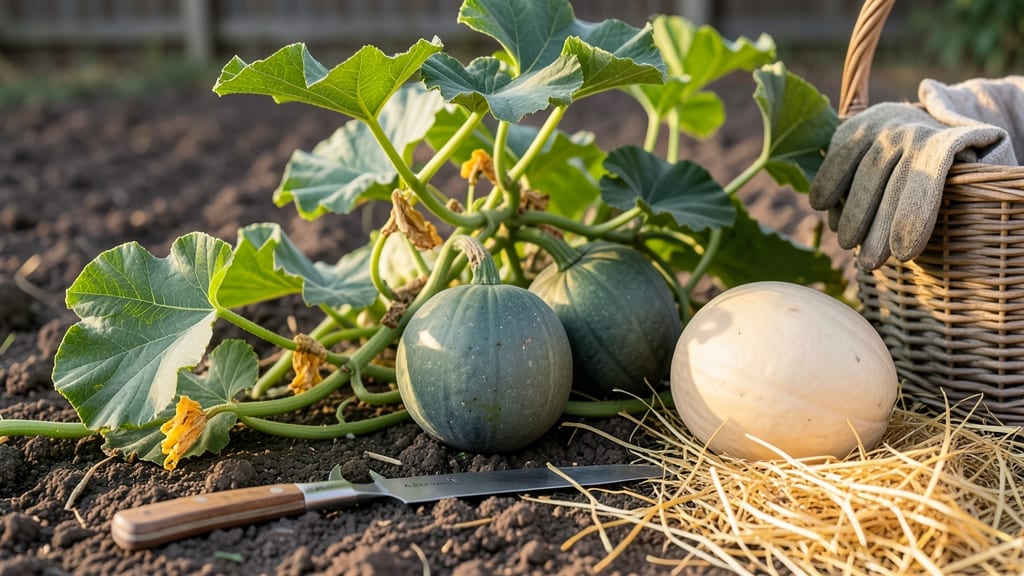
Harvesting winter squash at the right time ensures sweet, firm flesh that stores for months — and missing that window means tough, watery disappointment.
Knowing exactly when to harvest winter squash can mean the difference between sweet, velvety flesh and tough, watery disappointment—yet many gardeners struggle to tell when it’s truly ready.
Here’s the secret: three simple tactile tests that take just seconds to perform. Skip the guesswork and learn how to check rind hardness, stem dryness, and color depth so you never harvest too early or too late.
From acorn to butternut, we’ll break down the exact cues for your variety, plus how frost and growing season length affect timing. Ready to master the perfect harvest?
3 Tactile tests to determine perfect winter squash harvest timing
Harvesting winter squash at the right moment transforms your garden bounty into sweet, flavorful treats that store beautifully. But without knowing the exact signs, you might end up with squash that’s either too soft or too tough.
The good news? You don’t need fancy tools—just your hands and a little know-how to perform three simple tactile tests that reveal when your squash is ready to pick.
These tests focus on the physical characteristics of the squash: its skin hardness, how it sounds when tapped, and the condition of its stem and seeds. Each method gives you a different clue about maturity, so combining them ensures you never guess again.
Let’s dive into the hands-on approach that will have you harvesting like a pro.
🌱 3 Tactile Tests for Perfect Winter Squash Maturity
-
1. The Fingernail Test
Press your fingernail into the skin of the squash. If it doesn’t puncture easily, the rind is hard enough. For acorn squash, aim for a thickness that resists pressure—like a hard apple. For butternut or pumpkin, the skin should feel almost wood-like. -
2. The Thump Test
Give the squash a gentle knock with your knuckles. A deep, hollow sound means it’s mature and ready. If it sounds dull or flat, it’s still developing. This works best on hard-shell varieties like butternut and hubbard. -
3. The Stem and Seed Check
Look for a dry, papery stem where it meets the squash. For hard-shell varieties, cut open the squash to check the seeds: they should be plump and fully formed, not shriveled. Soft varieties like delicata won’t need this step.
For acorn squash, focus on the skin color shifting from green to a deep, matte orange or yellow, paired with the fingernail test. These squash are ready when the vines start dying back and the skin feels thick and leathery.
If you harvest too early, the flesh will be watery and bland, while waiting too long risks frost damage or a tough, stringy texture.
Butternut squash, on the other hand, relies heavily on the thump test and the stem drying. The neck of the squash should feel hard and woody, and the skin should be smooth and unblemished.
If the stem is still green and flexible, the squash needs more time on the vine. Pro tip: Harvest butternuts before the first frost to avoid bitter flavors or rot.
Pumpkins, especially those grown for carving or storage, need all three tests. Start with the fingernail test—if you can’t pierce the skin, it’s a good sign. Then, tap it: a hollow echo confirms maturity. Finally, check the stem—it should be dry and crisp.
If the stem is still green or moist, the pumpkin isn’t ready yet. Waiting too long can lead to overripe flesh that’s stringy and less sweet.
Don’t overlook the color cues either. While tactile tests are your best friends, the skin color of winter squash often shifts dramatically as it matures. For example, spaghetti squash turns from green to a pale yellow, while hubbard squash develops a deep blue-gray hue.
Pair these visual clues with the tactile tests for 100% accuracy. Remember, the brighter and more uniform the color, the sweeter the flesh.
One common mistake is assuming that size alone determines maturity. A squash might be large but still underripe if the skin is soft or the stem is green. Always combine the tests—if two out of three signs point to readiness, it’s time to harvest.
For storage varieties, like acorn or butternut, curing them in a warm, dry place for 7–10 days after harvest will enhance their flavor and shelf life.
If you’re growing multiple varieties, keep a harvest journal to track when each type reaches maturity. For instance, delicata squash matures faster (around 85 days) than hubbard squash (up to 120 days).
Noting the days to maturity for each plant helps you plan future harvests and avoid missing the perfect window. And if you’re unsure, it’s always better to harvest a day or two late—overripe squash stores better than underripe ones.
Finally, never harvest after a hard frost, as this can damage the flesh and reduce storage potential. If frost is in the forecast, prioritize picking your squash 2–3 days before the expected freeze.
With these tactile tests, you’ll never second-guess your harvest timing again—just imagine the sweet, velvety squash you’ll enjoy all winter long! 🎃
How climate and variety affect winter squash harvest windows
Your winter squash harvest timing depends on two key factors: your local climate and the specific variety you're growing. In short-season regions like Zone 5 or colder, you’ll need to harvest earlier—often by late September—to avoid frost damage.
Meanwhile, varieties like butternut squash (90-100 days) mature later than acorn squash (80-90 days), so your harvest window shifts accordingly.
Regional frost dates are your first clue. Most winter squash varieties cannot tolerate frost, so plan to harvest 2-4 weeks before your area’s first expected frost. For example, in Zone 7 with a mid-October frost, aim to harvest by early October.
Meanwhile, in Zone 9’s longer growing season, you might extend harvests into November without rushing.
Storage varieties like butternut and hubbard squash need extra time to develop their thick, hard rinds for long-term storage. These types typically require 100-120 days to maturity, while eating varieties like delicata (75-85 days) can be harvested earlier. Your growing season length determines which varieties suit your garden best.
In cooler climates, opt for fast-maturing varieties like delicata or acorn squash to ensure you harvest before frost. These varieties can reach maturity in 75-90 days, making them ideal for Zone 4 or colder.
Conversely, in warmer climates (Zones 8-10), you can grow longer-season varieties like butternut or hubbard and extend harvests into late fall.
Always prioritize rind hardness over calendar dates. Even if your frost-free window is short, a squash with a fully hardened rind will store better than one harvested early.
For example, a butternut squash in Zone 6 might need to be harvested by mid-October, but if its rind isn’t hard yet, wait a few more days—just don’t risk frost damage.
Pro tip: Use row covers to extend your harvest window by 2-3 weeks in cooler regions. This simple trick buys you extra time to let squash mature fully, especially for storage varieties that need that thick, protective rind for winter storage. Just remove covers during the day to prevent overheating.