
Picking
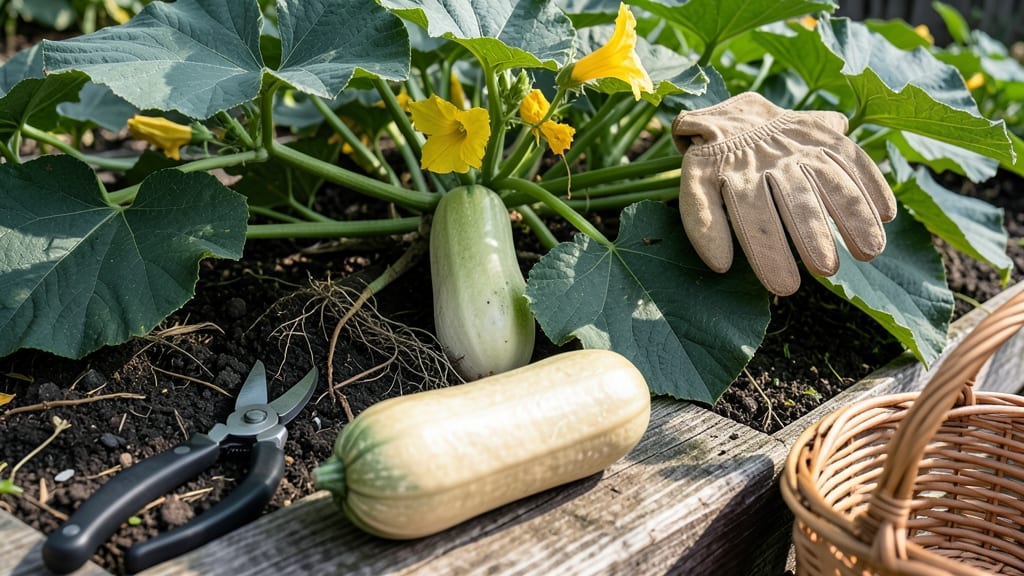
Picking spaghetti squash from your garden at the right moment transforms it from a bland vegetable into a sweet, stringy delight 🎃—and missing the window means tough, dry strands instead of perfect "noodles."
You might be tempted to harvest when the squash looks big, but size isn’t the real test. The key lies in three subtle clues: skin color, stem changes, and how it feels when you press it.
Skip these cues, and you’ll end up with a squash that’s either too hard or too mushy.
Below, I’ll walk you through three foolproof visual cues to nail the perfect harvest time, plus a quick test to confirm readiness. Whether you’re planning to roast it tonight or store it for later, knowing these signs ensures every bite is sweet and tender.
No more guesswork—just a foolproof guide to turning your garden’s harvest into a gourmet meal. Let’s get started.
3 Visual cues to determine perfect spaghetti squash ripeness
Spaghetti squash is one of those rewarding garden crops where timing your harvest makes all the difference between tender, sweet strands and tough, dry fibers. Unlike some vegetables, this winter squash doesn't ripen further after picking, so nailing the perfect moment means maximum flavor and texture.
The good news? Nature gives you clear visual signals—you just need to know what to look for.
When I first grew spaghetti squash, I made the rookie mistake of waiting too long, ending up with overripe squash that was past its prime. Now, I rely on three foolproof visual cues to determine ripeness: skin color changes, stem and vine condition, and rind firmness.
These indicators work together like a checklist, ensuring you never miss the sweet spot between underripe and overripe.
Here's where the magic happens—these three visual cues work best when checked together, like a harmonized system for perfect timing. Let's break down each one so you can confidently harvest your spaghetti squash at its peak.
Skin Color Change
Look for a dull yellow hue replacing the bright green of unripe squash. The skin should be uniform in color with no green patches.
Stem and Vine Condition
The main stem should turn brown and woody, while the vines begin yellowing and die back. This shows the plant is redirecting energy to the fruit.
Rind Firmness Test
Press your fingernail into the skin—if it doesn't dent, the squash is ready. For extra confirmation, give it a gentle thump; a hollow sound means it's perfect.
Let's start with the most obvious clue: the skin color transformation. When spaghetti squash is young, its skin is a vibrant green, almost like a bright apple.
But as it matures, this green fades into a dull, matte yellow—think of a banana peel that's been sitting out for a few days. This color change happens because the chlorophyll breaks down as the squash stores more sugars.
I always test the skin color in morning sunlight because artificial light can trick your eyes.
Hold the squash up to the sky—if it looks uniformly yellow with no green patches, it's ready. Resist the urge to harvest if you see even a little green remaining, as those areas will stay tough and underdeveloped.
The second visual cue focuses on the plant's overall health, specifically the stem and vines. When spaghetti squash is fully ripe, the plant begins to shut down its growth cycle.
You'll notice the main stem turning wooden and brown, almost like a dried twig. Meanwhile, the vines should start yellowing from the edges inward, eventually dying back completely.
This vine die-back is nature's way of telling you the plant has completed its reproductive cycle. I've learned that if I wait until the vines are completely dead, I might be too late—the squash could become overripe and mealy.
Instead, harvest when about 70% of the vines have turned brown. This gives you that perfect balance of ripeness and freshness.
Finally, the most practical test is checking the rind firmness. This is where you get hands-on with your squash. Press your fingernail into the skin—if it doesn't leave a dent, the squash is ready to harvest.
For me, this is the final confirmation after checking the other two cues. I also do a quick thump test: give the squash a gentle knock with your knuckles. A hollow sound means it's ripe, while a dull thud suggests it needs more time.
One common mistake I see gardeners make is over-relying on just one cue. For example, you might find a squash with perfect yellow skin but still soft rind—this means it's overripe.
That's why I always check all three indicators together. When they all align—dull yellow skin, brown stem, and firm rind—I know I've got a winner ready for the kitchen.
Pro tip: If you're growing spaghetti squash in containers or small spaces, these visual cues become even more important since you can't rely on vine spread as an indicator.
The same rules apply—just pay extra attention to the skin color and rind firmness since the plant might not show the same vine die-back patterns.
How to test spaghetti squash ripeness before picking
Knowing when to harvest your spaghetti squash can make the difference between a meal of tender, sweet strands and one of tough, dry fibers. Unlike some squash varieties, spaghetti squash doesn't soften as it ripens—it actually becomes harder and sweeter when left on the vine too long.
That's why testing ripeness before picking is crucial for the best flavor and texture.
Three simple tests will give you confidence in your harvest timing: the thump test, the stem twist, and the seed color check. Each method provides unique clues about whether your squash is ready to be picked.
I've used these techniques for years in my garden, and they've never failed me—once I learned what to look for.
⚠️ callout warning
If you wait too long to harvest, your spaghetti squash will develop a hard, fibrous rind and bitter-tasting seeds. The flesh may also become stringy and less sweet. Always test for ripeness before the vines completely die back—this is your best chance for perfect harvests every season.
🌱 Pro Tip: Harvest in the morning after dew has dried. This gives you the freshest squash with maximum sweetness.
The thump test is my go-to method because it's quick and reliable. Give your squash a firm tap with your knuckle—if it sounds hollow and deep, it's ready.
An unripe squash will have a dull, flat sound, while an overripe one might feel too hard and make a high-pitched ping. I always test 2-3 squash at once to compare their readiness side by side.
Next, try the stem twist test by gently grasping the stem where it meets the squash. Twist it slightly—if it snaps off cleanly with minimal resistance, your squash is perfect for picking.
A stem that bends but doesn't break means it's still immature, while a stem that resists completely suggests the squash has overripe and might be past its prime.
For the seed color check, look inside the blossom end (the stem end) of the squash. If the seeds are white or pale yellow, your squash is ready. Dark brown or black seeds mean it's severely overripe.
This method works best when combined with the other two tests, as seed color alone can be misleading in some varieties.
Remember, spaghetti squash continues to ripen after picking, but only up to a point. Once the vines die back completely, the squash loses sweetness rapidly.
By mastering these three tests, you'll know exactly when to harvest for that perfect al dente texture and natural sweetness that makes spaghetti squash so special.
🎃