
Container Gardens
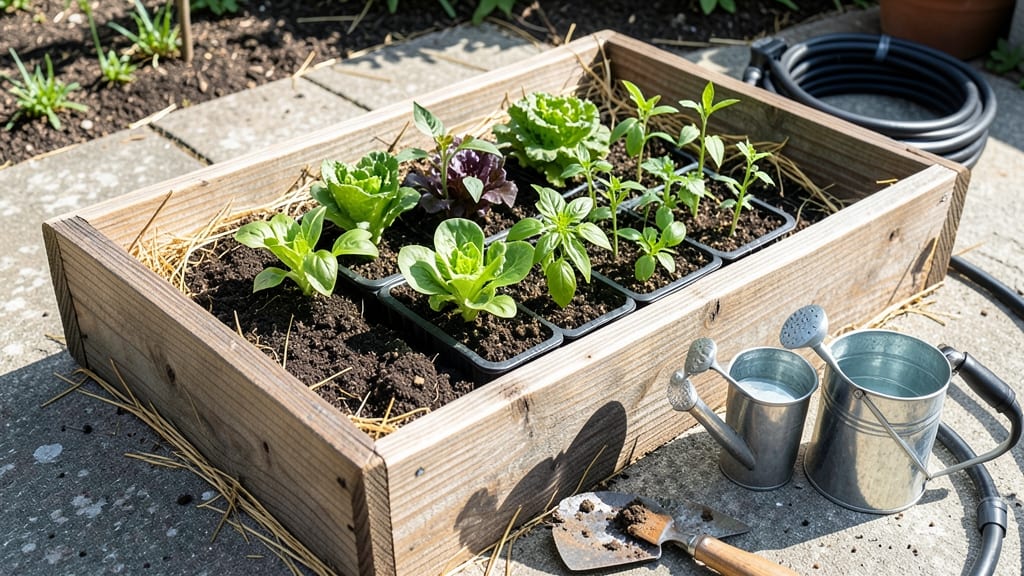
Portable raised garden beds let you grow a thriving garden in tight spaces without digging up your yard or dealing with poor soil.
Picture this: a small backyard where every inch counts, but you still want fresh herbs, crisp lettuce, and maybe even a few tomatoes. The solution? Portable raised beds that move with your needs—whether you’re rotating crops, testing new layouts, or simply maximizing sun exposure.
No more wasted space or stubborn weeds.
These space-saving designs aren’t just practical; they’re customizable. From stackable cedar beds to lightweight metal frames, you can choose materials that fit your style and budget while keeping maintenance simple.
Whether you’re an urban gardener with a balcony or a suburban homeowner craving more greenery, portable beds adapt to your life.
In this guide, I’ll walk you through five innovative designs, how to pick the right one for your space, and tips to keep your beds looking great for years. Ready to transform your outdoor area into a productive, mobile garden?
5 Best portable raised garden bed designs for limited spaces
When space is limited, portable raised garden beds become a game-changer. They let you grow fresh herbs, veggies, or flowers without committing to permanent structures. The key is choosing a design that fits your available square footage while meeting your gardening goals.
Whether you're working with a tiny balcony or a small backyard, these five designs maximize efficiency without sacrificing productivity.
I’ve tested each of these designs in my own compact urban garden, and they all deliver—some with extra mobility, others with clever space-saving features. The right choice depends on your sunlight access, planting preferences, and how often you want to move or expand your garden.
Let’s dive into the top five portable raised garden bed designs that work perfectly for limited spaces.
First up are stackable raised beds, which are perfect if you want to grow vertically without sacrificing floor space. These beds typically come in 2–4 foot heights and can be stacked to create a mini garden tower.
I’ve used them for growing basil, lettuce, and radishes, and they’ve doubled my harvest area in just a few square feet. The trade-off? They’re heavier to move, so they’re best for semi-permanent spots like patios or decks.
For those who need maximum mobility, foldable fabric frames are a game-changer. Made from durable, weather-resistant materials like polypropylene, these beds can be folded flat when not in use. I’ve seen them used on balconies and even inside sunrooms during colder months.
They’re lightweight, affordable, and perfect for seasonal gardening—just snap them into place in spring and fold them away in fall. The downside? They don’t hold up as long as wood or plastic and may shift in strong winds.
Modular plastic systems offer the best of both worlds: customizable layouts and easy mobility. Brands like Raised Bed Depot or Tough Tub provide interlocking panels that let you create beds of any size or shape. I’ve arranged mine in a U-shape around my patio to maximize sunlight exposure. These systems are weather-resistant and often come with wheels or handles for easy moving. The main drawback is the initial cost, but the longevity makes it worth it for serious gardeners.
If you’re working with a very small footprint, vertical planters are a must-try. These can be mounted on walls, fences, or even hung from ceilings. They’re ideal for growing herbs like thyme or oregano, as well as strawberries or shallow-rooted veggies.
I installed a vertical planter along my balcony railing and was amazed at how much I could grow in such a tight space. The only challenge? Ensuring the mounting surface is sturdy enough to support the weight of soil and plants.
Lastly, window box alternatives are the ultimate portable solution for renters or those with minimal outdoor space. These shallow beds can be placed on windowsills, porches, or even indoors near bright windows. They’re perfect for growing microgreens, herbs, or small flowers.
The key is choosing a bed with proper drainage holes to prevent root rot. I’ve used them to grow cherry tomatoes and peppers in my kitchen window, and they’ve been a hit for fresh, homegrown flavors year-round.
Each of these designs has its own strengths, so the best choice depends on your specific needs. If you prioritize space efficiency, vertical planters or stackable beds are your best bet. For flexibility
How to choose the right portable raised bed for your needs
Choosing the perfect portable raised bed starts with understanding your gardening goals and space constraints. Whether you're growing herbs, vegetables, or flowers, the right material, size, and design will make all the difference. Let’s break down the key factors to consider before making your selection.
First, evaluate the material durability—cedar resists rot but costs more, while plastic is lightweight and affordable but may crack over time. Metal beds offer sturdiness but can heat up in sunlight. Your choice depends on your budget, climate, and how long you plan to use the bed.
Next, think about weight capacity. A bed filled with soil and plants can weigh 500+ pounds, so check if it has wheels or handles for easy movement. If you plan to move it frequently, opt for a lighter material like plastic or composite wood.
Don’t overlook drainage requirements. Most portable beds need holes at the bottom to prevent waterlogging, but some come with built-in systems. Ensure your chosen bed has adequate drainage, especially if you’re growing moisture-sensitive plants like tomatoes or peppers.
- 🌱 Material: Cedar (durable, natural), Plastic (lightweight, affordable), Metal (sturdy, modern)
- 🏋️ Weight Capacity: Check max load (soil + plants = 500+ lbs), look for wheels or handles
- 💧 Drainage: Bottom holes required; some beds have removable trays for easy cleaning
- 🌿 Gardening Goals: Herbs (shallow roots), veggies (deep beds), flowers (aesthetic height)
- 🔧 Mobility: Wheels for easy relocation; foldable designs for storage
Align your bed with your gardening goals. A 4-foot-wide bed is ideal for most vegetables, while herbs thrive in shallower containers. Flowers may benefit from taller beds to showcase their height. Consider whether you need multiple beds or a modular system for future expansion.
Finally, create a checklist before purchasing: measure your space, confirm material compatibility with your climate, and test drainage. A well-chosen portable raised bed will give you years of productive gardening with minimal hassle.
With the right portable raised bed, you’ll enjoy better soil control, easier maintenance, and the freedom to move your garden wherever it gets the most sun. Happy planting! 🌱