
Landscaping
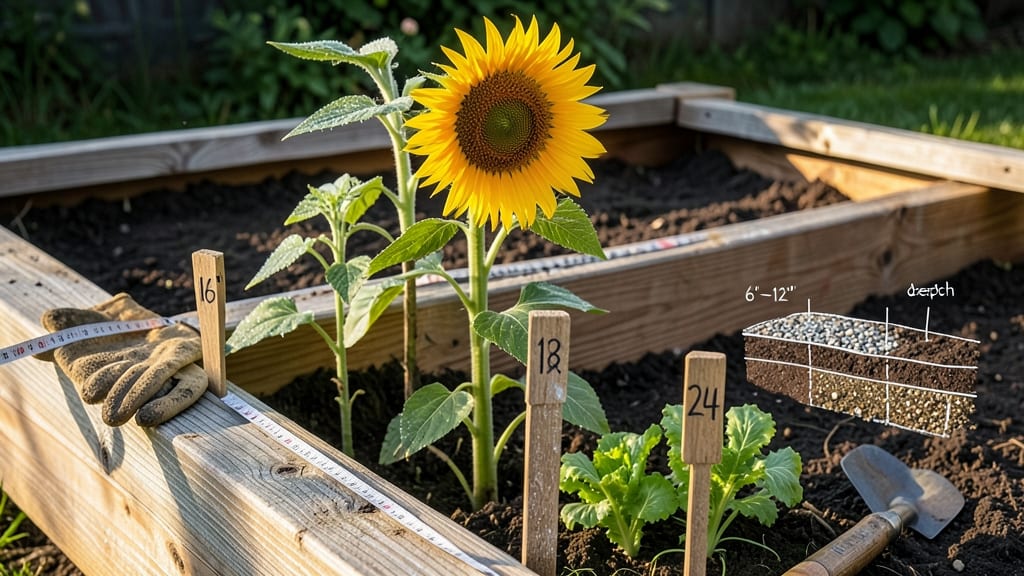
To make raised garden beds the right height, you’ll need to balance root depth, drainage, and your own comfort—because a bed that’s too shallow won’t support deep-rooted veggies like tomatoes, while one that’s too tall can become a back-breaking chore.
Picture this: You’ve spent hours building the perfect 🌱 raised garden bed, only to realize your carrots are struggling because the soil isn’t deep enough, or your knees ache every time you reach in. The ideal height isn’t one-size-fits-all, but getting it right means healthier plants and easier gardening.
Most gardeners aim for 6 to 12 inches for herbs and shallow-rooted crops, while deep-rooted plants like potatoes or asparagus need 12 to 18 inches of soil. But accessibility matters too—adding a few extra inches can make all the difference for those with mobility challenges.
In this guide, I’ll break down the science behind bed height, how to adjust for your specific needs, and the simple tweaks that turn a good bed into a great one. Let’s build it right the first time.


Optimal raised garden bed height for root depth and plant types
When building raised garden beds, height matters more than you might think. The depth of your bed directly influences root growth, drainage efficiency, and even which plants thrive.
A bed that’s too shallow will stunt deep-rooted vegetables like tomatoes or carrots, while one that’s too tall can create maintenance challenges and waste materials. Let’s break down the science behind bed height and how it impacts your garden’s success.
Most gardeners start with a 6-inch minimum depth for shallow-rooted plants like lettuce or radishes, but deeper beds (12 inches or more) unlock the potential for high-yield crops. The key is matching your bed’s height to the root systems of what you’re growing.
For example, asparagus and potatoes need at least 18 inches of soil to thrive, while strawberries and herbs like basil do just fine in shallower beds.
Beyond root depth, bed height affects drainage, accessibility, and even soil temperature. Taller beds warm up faster in spring, giving you a longer growing season. They also reduce bending and kneeling, which is a game-changer for gardeners with back or knee issues.
However, taller beds require more soil and materials, increasing costs. Let’s explore the ideal heights for different plant types and gardening goals.
| Plant Type | Root Depth | Recommended Bed Height | Notes |
|---|---|---|---|
| Leafy Greens (Lettuce, Spinach, Kale) | 6-12 inches | 6-12 inches | Shallow roots; ideal for beginner beds |
| Herbs (Basil, Parsley, Chives) | 6-12 inches | 6-12 inches | Compact growth; great for containers |
| Root Vegetables (Carrots, Radishes, Beets) | 12-18 inches | 12-18 inches | Deep soil prevents forking; loose, sandy soil ideal |
| Fruiting Plants (Tomatoes, Peppers, Cucumbers) | 18-24 inches | 18-24 inches | Supports heavy plants; improves drainage |
| Perennials (Asparagus, Rhubarb, Strawberries) | 18-24 inches | 18-24 inches | Long-term growth; mulch to retain moisture |
| Flowers (Marigolds, Sunflowers, Zinnias) | 6-12 inches | 6-12 inches | Shallow roots; brighten borders easily |
For shallow-rooted plants like lettuce or herbs, a 6-inch deep bed is perfect. These plants thrive with minimal soil and are ideal for beginners or small spaces. However, if you’re dreaming of growing tomatoes or carrots, aim for 12-18 inches of soil depth.
Deep-rooted plants need room to spread, and shallow beds will leave them stunted or struggling. I’ve seen carrots fork and twist in crowded, shallow soil—it’s heartbreaking!
Drainage is another critical factor tied to bed height. Taller beds (18-24 inches) allow water to drain more efficiently, preventing root rot in heavy clay soils. If your garden sits in a low-lying area or has poor drainage, consider adding a gravel layer at the bottom of your bed.
This creates a drainage barrier while still providing ample space for roots. For container gardening, ensure your pots have drainage holes and use a well-draining soil mix to avoid waterlogged roots.
Accessibility is often overlooked but can make or break your gardening experience. A bed that’s 24-36 inches tall reduces bending and kneeling, which is a blessing for gardeners with mobility issues. I’ve built beds at this height for my grandmother, and she’s been able to garden comfortably for years.
Just remember, taller beds require more soil, which can be costly. Balance your needs with your budget—perhaps start with one tall bed for your favorite crops and keep others lower for herbs and greens.
Soil quality also changes with bed height. Deeper beds allow you to create a layered soil profile, combining topsoil, compost, and organic matter for nutrient-rich growing conditions. For example, I like to start with a 4
How to choose raised garden bed height based on your gardening goals
Choosing the right raised garden bed height depends entirely on your specific gardening goals. Whether you're prioritizing accessibility, high-yield crops, or climate resilience, the ideal height varies dramatically.
For example, senior gardeners or those with mobility challenges often opt for taller beds to reduce bending, while cold climates may require deeper beds to protect roots from frost. Let’s break down how to match your goals with the perfect height.
One common misconception is that taller beds are always better. In reality, 6-12 inches is often sufficient for most herbs and leafy greens, while deep-rooted crops like tomatoes or asparagus demand 18-24 inches of soil depth.
Balancing these needs with your physical abilities and budget is key. Let’s explore the practical options to help you decide.
- 1 6-12 inches for accessibility and small plants like lettuce, radishes, and herbs. Ideal for knee-height gardening and reducing strain on your back.
- 2 12-18 inches for balanced use, accommodating medium-rooted crops like carrots, beets, and bush beans while still being manageable for most gardeners.
- 3 18-24 inches for deep-rooted plants and high-yield goals, perfect for tomatoes, potatoes, and perennials. Also great for cold climates to insulate roots.
- 4 24-36 inches for wheelchair accessibility or intensive planting, though this height increases material costs and may require additional support to prevent tipping.
If you’re gardening in a colder climate, deeper beds (18-24 inches) help insulate roots and extend your growing season. The extra soil retains heat better, protecting tender crops from late frosts.
For example, in Zone 5 or colder, deeper beds can mean the difference between a successful harvest and a failed one. Test your soil depth by planting a few deep-rooted crops like asparagus or rhubarb to see how they thrive.
Another critical factor is cost and materials. Taller beds require more lumber, hardware cloth, or composite materials, which can add up quickly. For instance, a 4x8-foot bed at 18 inches needs roughly 32 linear feet of lumber, while a 36-inch-tall bed doubles that.
If you’re on a budget, start with 12-18 inches and expand later as needed. Reusing materials like cedar planks or stone borders can also cut costs while adding durability.
For seniors or gardeners with limited mobility, the ideal height is often 12-18 inches, allowing you to stand or sit comfortably while tending to plants. Adding a knee pad or bench can further reduce strain.
If wheelchair access is a priority, consider beds that are 30-36 inches tall, though this may require additional structural support to ensure stability. Always prioritize ergonomics—your comfort today will keep you gardening for years.
No matter your choice, always prioritize proper drainage and soil quality. Use a mix of topsoil, compost, and perlite to ensure your plants thrive at any height. And remember, you can always layer soil depths over time by adding compost or mulch to shallower beds.
The perfect height is the one that works for you and your plants—not just what looks best on Pinterest.