
Companion Plants
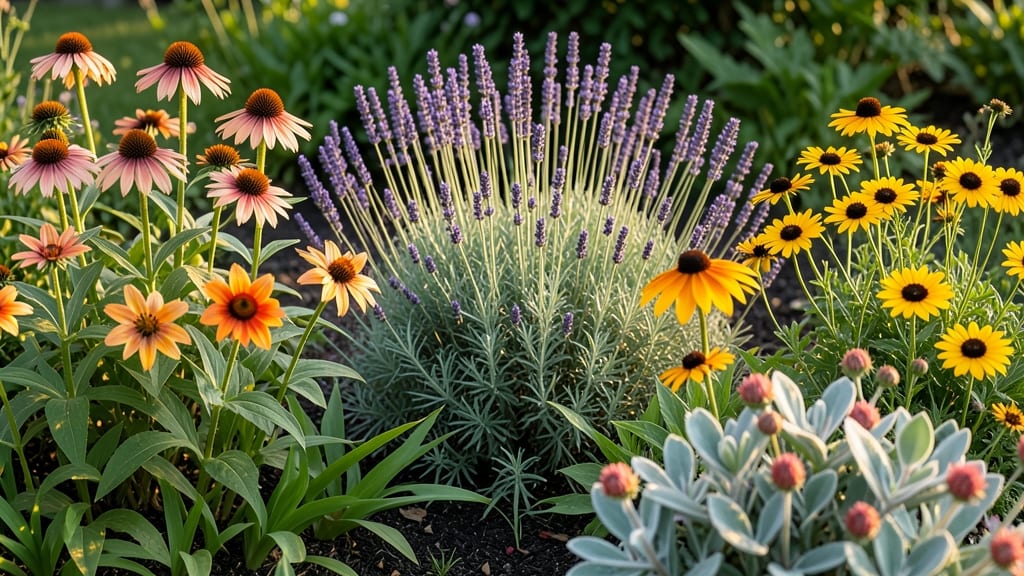
Growing popular garden plants is easier than you think, especially when you focus on varieties that thrive in your space and support local wildlife.
Picture this: a garden that hums with life year-round, where bees, butterflies, and hummingbirds flit among vibrant blooms from spring through fall. That’s the magic of pollinator-friendly plants—they’re not just beautiful, they’re essential for a thriving ecosystem.
Whether you’re a beginner or a seasoned gardener, this guide breaks down the top 15-20 easy-to-grow plants that require minimal fuss but deliver maximum impact. From sun-loving perennials to shade-tolerant annuals, you’ll find the perfect mix for your climate and garden style.
Learn how to pair them for continuous blooms, avoid common mistakes, and create a haven that keeps pollinators visiting—and your green thumb growing.
Top 12 pollinator-friendly plants for every season and climate zone
Creating a pollinator paradise doesn’t require a green thumb—just the right popular garden plants that thrive in your climate. These 12 pollinator magnets offer year-round blooms, support bees, butterflies, and hummingbirds, and adapt to USDA zones 3-10.
Whether you're in a hot desert or cool mountain region, this list ensures your garden stays vibrant and buzzing.
I’ve selected plants that bloom continuously, require minimal fuss, and provide nectar-rich flowers pollinators can’t resist. From hardy perennials to fast-growing annuals, each plant includes care tips tailored to your local climate.
Let’s dive into the top pollinator-friendly plants that will transform your outdoor space into a thriving ecosystem.
🌱 Pro Tip: Group plants by bloom time to ensure continuous nectar for pollinators. For example, pair early spring crocuses with summer coneflowers and fall asters.
| Plant Name | Type | Climate Zones | Bloom Time | Sun Needs | Care Tips |
|---|---|---|---|---|---|
| Bee Balm (Monarda) | Perennial | 3-9 | Summer-Fall | Full Sun-Part Shade | Deadhead spent blooms; divide every 3 years. |
| Coneflower (Echinacea) | Perennial | 3-10 | Summer-Fall | Full Sun | Drought-tolerant; cut back in early spring. |
| Butterfly Weed (Asclepias tuberosa) | Perennial | 3-9 | Summer | Full Sun | Native to North America; tolerates poor soil. |
| Black-Eyed Susan (Rudbeckia) | Perennial | 3-9 | Summer-Fall | Full Sun-Part Shade | Great for cut flowers; self-seeds easily. |
| Milkweed (Asclepias spp.) | Perennial | 3-10 | Summer | Full Sun | Host plant for monarch butterflies; avoid pesticides. |
| Lavender (Lavandula) | Perennial/Shrub | 5-9 | Summer-Fall | Full Sun | Drought-resistant;
How to design a pollinator garden that blooms all yearA year-round blooming pollinator garden isn’t just beautiful—it’s a lifeline for bees, butterflies, and hummingbirds. The key lies in strategic layering: pairing plants by bloom time, height, and color to create a continuous feast. Start with native plants—they’re the pollinators’ favorites because they’ve evolved together. For example, black-eyed Susans (summer) pair perfectly with heather (winter) to bridge seasonal gaps. Even in colder climates, evergreens like winterberry holly provide structure and subtle color. Begin by mapping your garden’s sun exposure zones. Divide your space into three layers: tall plants (like coneflowers or bee balm) at the back, medium-height blooms (such as salvia or phlox) in the middle, and low-growing ground covers (like creeping thyme) in the front. This creates a visual and functional staircase that guides pollinators deeper into your garden. Use companion planting to boost growth—pair lavender with rosemary to repel pests naturally while attracting bees. 🌱 5 Essential Steps for Year-Round Blooms
Don’t overlook succession planting—this means replacing spent blooms with new ones. For instance, swap out petunias (summer) with pansies (fall/winter) to keep the show going. Group plants in odd-numbered clusters (3, 5, or 7) to create visual interest and make it easier for pollinators to navigate. Add a few herbaceous perennials, like Russian sage, which bloom for months and attract a variety of insects. These plants also have deep roots, making them drought-tolerant once established. Finally, avoid pesticides—even "organic" sprays can harm pollinators. Instead, use physical barriers like row covers or introduce beneficial insects (like ladybugs) to control pests naturally. Place a small patch of bare soil in your garden—some bees, like mason bees, need it to nest! With these techniques, your garden will become a thriving pollinator paradise** that keeps blooming from early spring to late autumn. 🌿 |