
Shrubs
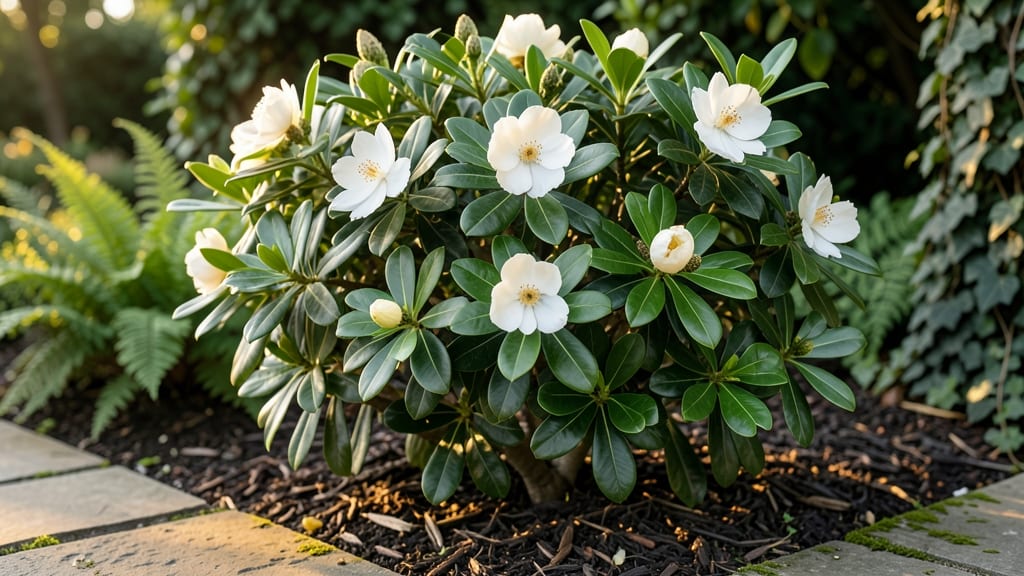
A full grown gardenia 🌸 can transform your garden into a fragrant paradise—but only if you know the right care secrets most gardeners miss.
Picture this: Your gardenia is lush, blooming year-round, and filling your yard with that intoxicating scent. Yet, many gardeners struggle with sparse flowers, yellowing leaves, or even dead branches—all from simple mistakes in pruning and care.
This guide dives into the exact techniques for pruning, watering, and fertilizing your mature gardenia to keep it thriving. Whether you're dealing with overgrown branches or lackluster blooms, these tips will help you revive and maintain your plant’s health.
From seasonal adjustments to troubleshooting common issues, you’ll learn how to turn your gardenia into a blooming machine that stays beautiful all year.
When and how to prune a full grown gardenia for maximum blooms
Pruning your full grown gardenia isn't just about shaping—it's the secret to year-round blooms and a healthier plant. Many gardeners avoid pruning for fear of harming their fragrant beauty, but timing and technique make all the difference.
When done right, pruning stimulates new growth and encourages more flower buds to form.
Your gardenia's blooming cycle depends heavily on pruning timing and growth habit. Unlike some shrubs, gardenias bloom on current year's growth, so pruning too late can reduce next season's flowers.
The key is to prune right after flowering—typically in late spring or early summer—when the blooms begin to fade. This gives your plant time to recover and set buds for the next cycle.
Before you begin, gather your pruning tools and safety gear. You'll need sharp bypass pruners for clean cuts, sterilized tools to prevent disease, and gloves to protect against sap irritation.
Always sterilize tools with rubbing alcohol between cuts to avoid spreading pathogens. Deadheading spent blooms throughout the season also encourages continuous flowering.
Now let's dive into the step-by-step process that will transform your gardenia into a blooming powerhouse. Follow these expert-approved techniques to maximize flowers while keeping your plant healthy and vibrant.
Step-by-Step Pruning Guide for Full Grown Gardenia
- 1 Choose the Right Time: Prune immediately after your gardenia finishes blooming, typically in late spring (May-June). Avoid pruning in fall or winter as this can reduce next year's flowers.
- 2 Identify Dead Wood: Look for brown, brittle branches with no green bark or leaves. These should be removed first. Healthy wood has green bark and may have small buds or leaves.
- 3 Remove Overcrowded Branches: Thin out crossing or rubbing branches to improve airflow. Aim for an open center shape, removing up to 25% of the plant's volume if needed for rejuvenation.
- 4 Cut at the Right Angle: Make 45-degree cuts just above a leaf node or outward-facing bud. Avoid leaving stubs—cut 1/4 inch above the bud for proper healing.
- 5 Shape for Airflow: Prune to create a rounded, vase-like shape with the widest part at the base. This prevents disease buildup in dense areas and allows sunlight to reach inner branches.
- 6 Fertilize After Pruning: Apply a balanced acid fertilizer (8-4-8 NPK) 2-3 weeks after pruning to support new growth. Water thoroughly to help roots absorb nutrients.
- 7 Monitor for New Growth: Watch for new shoots emerging from leaf nodes. These indicate successful pruning. If no new growth appears within 4-6 weeks, your plant may need additional care.
After pruning, your gardenia will need extra care to recover and prepare for its next blooming cycle. Keep the soil consistently moist but not soggy, and mulch around the base to retain moisture and regulate soil temperature.
Avoid heavy fertilizer applications immediately after pruning, as this can stress the plant.
One common mistake is over-pruning in a single session. Never remove more than 25-30% of the plant's foliage at once, as this can shock your gardenia and reduce flowering. For older plants that need rejuvenation, spread pruning over 2-3 years, removing 1/3 of the oldest wood each year.
This gradual approach maintains flower production while keeping the plant healthy.
Pay attention to your gardenia's growth patterns after pruning. If you notice yellowing leaves or bud drop, these could signal stress or nutrient deficiencies. Adjust your care routine by increasing acid fertilizer (like citrus-specific formulas) and ensuring the plant gets partial shade during hot afternoons.
With proper follow-up care, your pruned gardenia should reward you with even more abundant blooms next season.
Remember that pruning is an ongoing process, not a one-time task. Schedule a
Essential care requirements for a full grown gardenia tree
A full grown gardenia thrives when you match its care to its natural preferences—specifically acidic soil, gentle sunlight, and consistent moisture. Unlike many shrubs, gardenias demand precise conditions to reward you with their signature creamy-white blooms and intoxicating fragrance.
Let’s break down the essentials to keep your gardenia flourishing year-round.
First, the soil pH is non-negotiable: gardenias crave acidic soil between 5.0-6.5. Test your soil—if it’s alkaline, amend it with sulfur or peat moss to create the ideal environment. Pair this with well-draining soil to prevent root rot, a common issue with overzealous watering.
| Care Requirement | Specification | Seasonal Adjustments |
|---|---|---|
| Soil pH | 5.0–6.5 (acidic) | Test annually; amend with sulfur if needed |
| Sunlight | 4–6 hours morning sun | Summer: afternoon shade; winter: full sun |
| Watering | Deep soak every 3–5 days | Summer: daily; winter: bi-weekly |
| Fertilizer | 8-4-8 (acid-loving formula) | Spring/Summer: monthly; Fall: light feed; Winter: none |
Next, sunlight exposure must strike a balance. Gardenias adore bright, indirect light—think 4-6 hours of morning sun followed by afternoon shade. Harsh afternoon rays can scorch leaves, while too little light stunts blooming.
If your gardenia is potted, place it near an east-facing window or under a sheer curtain to filter light.
Watering is an art: gardenias despise soggy roots but wilting leaves signal thirst. Aim for a deep soak every 3-5 days, ensuring water penetrates 6 inches into the soil. In summer, increase frequency to daily deep watering, while winter slows to bi-weekly.
Always water at soil level to avoid wetting foliage, which invites fungal diseases like powdery mildew.
Fertilizing boosts blooms, but timing matters. Use a balanced 8-4-8 fertilizer (high in phosphorus for flowers) every 4-6 weeks during spring and summer.
In fall, switch to a light feed to support root growth, and skip winter fertilizing entirely—your gardenia rests then. Never over-fertilize; this burns roots and reduces blooms.
Finally, watch for common care mistakes like yellowing leaves (often from overwatering or alkaline soil) or bud drop (usually due to stress from sudden temperature changes). Adjust care promptly: amend soil pH or reduce watering, and shield your gardenia from drafts.
With these adjustments, your full grown gardenia will reward you with continuous, fragrant blooms all season long.
🌸