
How To
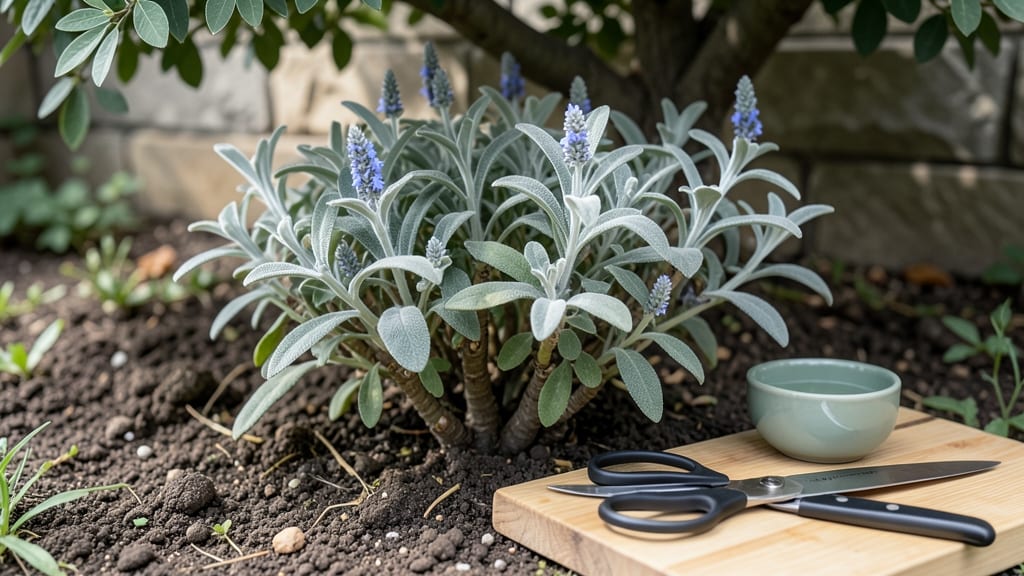
To harvest garden sage at its peak flavor, focus on timing and technique—late summer to early fall delivers the most aromatic leaves 🌿.
Fresh sage straight from your garden adds unmatched depth to soups, stuffing, and pasta—but knowing when and how to harvest it can make the difference between vibrant flavor and bitter disappointment.
Most gardeners wait until the plant is at least 6-12 inches tall, with leaves fully developed and emitting a strong herbal scent when crushed. This is your cue that the sage is ready for the first harvest.
Below, I’ll walk you through the best tools, step-by-step cutting methods, and how to encourage your sage to keep growing strong after each harvest—so you can enjoy homegrown flavor all season long.


Best time to harvest sage for maximum flavor and regrowth
Timing your sage harvest is everything—cut too early, and you’ll get bitter, underdeveloped leaves. Harvest too late, and you risk woody stems that ruin the delicate flavor. The ideal harvest window for garden sage is late summer to early fall, when plants are mature but haven’t yet flowered.
This aligns with 6-8 months after planting, ensuring leaves are fully aromatic and tender.
Spring harvests are possible if you planted sage in fall or early winter, but the flavor won’t be as robust. Focus instead on late summer cuts (August-September in most USDA zones) for the richest, most fragrant leaves.
This timing also encourages regrowth before winter dormancy, giving you a second flush of tender foliage in spring.
Here’s the key: Always harvest before flowering. Once sage blooms, the leaves become woody and bitter, losing their signature earthy-sweet profile. Watch for fully developed gray-green leaves that release a strong aroma when crushed—a sure sign it’s harvest-ready.
🌿
| Harvest Stage | Season | Plant Height | Leaf Characteristics | Flavor Profile |
|---|---|---|---|---|
| Early Growth | Spring (April-May) | 6-12 inches | Small, sparse, light green | Mild, underdeveloped |
| Peak Harvest | Late Summer (Aug-Sept) | 18-36 inches | Large, gray-green, aromatic | Bold, earthy, sweet |
| Late Season | Fall (Oct-Nov) | 24+ inches | Woody stems, smaller leaves | Bitter, harsh |
| Post-Flowering | Late Summer | Varies | Hard, leathery leaves | Unpleasant, bitter |
For year-round harvests, prioritize late summer cuts and avoid heavy pruning in spring. Sage is a perennial herb, meaning it regrows annually, but aggressive early harvests can stress the plant.
Instead, let it establish a strong root system before taking more than 1/3 of the plant’s growth in any single harvest.
Pro tip: If you’re growing sage in containers, harvest slightly earlier—container-grown plants mature faster due to limited root space. Monitor their growth closely and adjust your timing to avoid over-harvesting. The goal is to maintain a healthy, bushy plant that keeps producing tender leaves for years.
🌱
Never harvest sage after the first frost of fall (typically late October in most zones). Cold temperatures cause leaves to toughen and lose flavor. Instead, focus on late summer harvests and use dried or frozen sage from your fall harvests to extend your supply.
This two-step approach ensures you always have fresh, flavorful sage when you need it most.
One common mistake is harvesting individual leaves instead of stems. While it’s tempting to pluck leaves as needed, cutting 3-4 inch stems just above a leaf pair encourages bushier growth.
This method also makes drying sage easier—simply bundle stems and hang them upside down in a dry, dark place for 1-2 weeks.
💧
To maximize regrowth, always use clean, sharp pruners and cut at a 45-degree angle just above a leaf node. Avoid tearing leaves, which can introduce disease. After harvesting, water your sage deeply but infrequently—overwatering is the #1 killer of healthy sage plants.
Let the soil dry slightly between waterings to prevent root rot.
🌿
Step-by-step guide to harvesting sage without killing your plant
Harvesting your garden sage correctly ensures a steady supply of fragrant leaves while keeping your plant healthy. The key is selective pruning—never removing more than one-third of the plant at once. Sage is resilient, but improper harvesting can stress it, leading to stunted growth or woody stems.
I’ve learned that timing and technique make all the difference in maintaining a thriving sage bush year after year.
Before you begin, gather your tools: a pair of sharp pruning shears or clean scissors, a small bucket or basket for collecting leaves, and a spray bottle with water (to mist leaves if drying on-site).
Avoid dull blades—they crush stems and invite disease. I always sanitize my tools with rubbing alcohol to prevent spreading pathogens between cuts. This small step has kept my sage plants vibrant for seasons.
How to Harvest Garden Sage
- Step 1: Choose healthy stems with fully developed leaves—avoid harvesting from the center of the plant to maintain its shape.
- Step 2: Use clean pruners to cut stems at a 45-degree angle, about 1/4 inch above a leaf node to encourage new growth.
- Step 3: Harvest in the morning after dew has dried for the freshest flavor and to reduce stress on the plant.
- Step 4: Never remove more than one-third of the plant’s growth in a single session to avoid shocking it.
- Step 5: Strip leaves from stems immediately or bundle them and hang upside down in a dry, dark place to preserve oils.
- Step 6: After harvesting, water your sage plant deeply but lightly to support recovery without over-saturating the soil.
Once you’ve harvested, resist the urge to take everything at once. Sage plants reward patience—harvesting every 4-6 weeks during the growing season encourages bushier growth. I’ve found that spring and early summer are ideal times to harvest, as the plant is actively growing and leaves are most tender.
Avoid cutting into old, woody stems; focus on the newer, softer growth near the tips.
Post-harvest care is just as critical as the harvest itself. After trimming, give your sage plant a light fertilizer (like a 5-10-10 blend) to replenish nutrients. I’ve noticed that sage responds well to a mulch layer around the base to retain moisture and suppress weeds.
This simple step has helped my plants recover faster after heavy harvests. Monitor your sage for signs of stress, like yellowing leaves or wilting, and adjust your watering or harvesting frequency accordingly.
If your sage plant flowers, remove the blooms immediately—they drain energy from the leaves. I’ve had to prune flowers off my sage bushes to keep the flavor strong and the growth lush.
With the right balance of harvesting and care, your sage will thrive, providing you with fresh, aromatic leaves for years to come. The secret is consistency: harvest often but never excessively, and your plant will reward you with vibrant, flavorful foliage.