
Vegetables
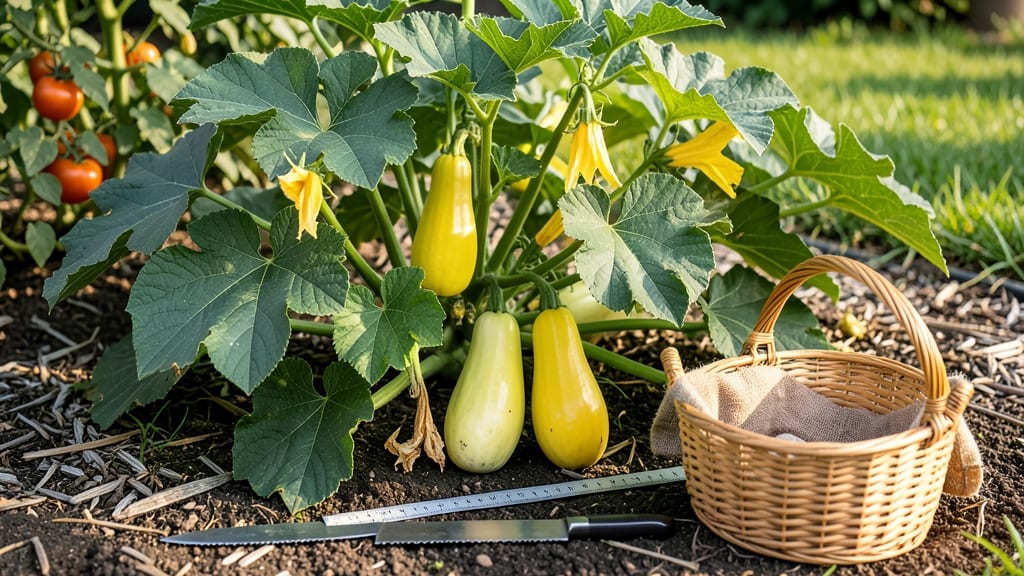
Harvesting yellow summer squash at the right time 🍆 transforms a garden chore into a flavor explosion—because waiting too long turns them into tough, seedy disappointments.
You’ve spent weeks nurturing your plants, and now the moment of truth arrives: when to pick these bright beauties for the best taste and texture. The answer isn’t just about size—it’s about three simple tests that reveal when your squash is at its peak.
Too early, and you’ll end up with bland, underdeveloped fruit. Too late, and you’re left with rubbery, bitter squash that’s barely recognizable. The key? Knowing the signs—from skin firmness to the telltale thump test—that guarantee a harvest bursting with sweetness.
In this guide, I’ll walk you through the exact cues to watch for, plus pro tips to keep your squash fresh long after the picking. Ready to turn your garden into a flavor factory?


3 Reliable tests to determine yellow summer squash ripeness
Harvesting yellow summer squash at the right moment transforms your garden into a flavor factory. Too early, and you’ll end up with tough, seedy squash that’s barely edible. Too late, and you risk bitter, fibrous squash that’s past its prime.
The key? Mastering these three simple ripeness tests that I’ve used for years in my own garden. Each test gives you a clear signal—no guesswork required.
Start with the size check, the most straightforward test of all. Yellow summer squash typically reaches peak ripeness when they’re between 6 to 8 inches long. This is their ideal window for harvesting. Smaller than 6 inches, and they’re still developing their signature sweetness.
Larger than 8 inches, and they start to toughen up. Use a measuring tape or ruler to check—this is your first green light to dig deeper.
- 1
- 2
- 3
The skin firmness test is where many gardeners trip up. Gently press your thumbnail into the skin of the squash. If it leaves a slight indentation but doesn’t bruise, your squash is ready to harvest.
This test tells you whether the flesh is tender enough to eat without being mushy. If the skin feels rock-hard, give it another day or two. Conversely, if it feels too soft or bruises easily, it’s overripe and past its best.
My favorite test, though, is the thump test—a trick I learned from an old-school farmer. Hold the squash in one hand and give it a gentle tap with your knuckles.
A ripe yellow summer squash will produce a dull, hollow sound, almost like knocking on a wooden door. If it sounds sharp or high-pitched, it’s still too hard and needs more time on the vine.
This test works especially well when you’re harvesting in bulk and need a quick way to assess ripeness without damaging the squash.
Timing your harvest is also about observing the plant itself. Pay attention to the female flowers on your squash plant. These are the ones with tiny squash forming at their base.
Once the flower has been pollinated and the squash begins to swell, it’s only a matter of days before it’s ready. Harvesting too late means the squash will continue to grow, becoming tough and seedy.
The goal is to pick them just as they reach maturity, before they start to outgrow their sweetness.
One common mistake I see is waiting until the squash turns a deep golden yellow before harvesting. While color is a good indicator, it’s not the only factor. Some varieties stay slightly green-tinged even when ripe, while others turn almost orange.
Always combine the size, firmness, and thump tests for the most accurate results. If you’re unsure, err on the side of harvesting a little early—you can always use underripe squash in soups or stir-fries, but overripe squash is harder to salvage.
Pro tip: Harvest your yellow summer squash in the morning when the temperatures are cooler. This helps preserve the squash’s freshness and makes it easier to handle without bruising. Use a sharp knife or pruning shears to cut the squash from the vine, leaving about an inch of stem attached.
This small stem helps the squash stay fresh longer after harvest. Avoid twisting or pulling the squash off the vine, as this can damage the plant and reduce future yields.
Once you’ve mastered these tests, you’ll never second-guess your harvest timing again. The difference between a tender, sweet squash and a woody, bitter one comes down to these simple checks. Start with the size, confirm with the skin firmness, and seal the deal with the thump test.
Before you know it, you’ll be enjoying homegrown yellow summer squash at its absolute peak—straight from your garden to your plate.
Why harvesting too early or late ruins flavor (and how to fix it)
Harvesting yellow summer squash at the wrong stage can transform your garden's best efforts into a tough, bland, or bitter disappointment. The science of ripeness explains why timing matters—underripe squash lacks sweetness, while overripe squash develops bitter compounds as starches convert to sugars and then to unpleasant alkaloids.
The ideal window is narrow, and missing it means sacrificing flavor for texture.
When squash matures past its prime, the cell walls break down, causing a woody texture and hollow centers. The chlorophyll in unripe squash also contributes to a grassy, astringent taste. Even the seed development plays a role—overripe squash may have large, hard seeds that dominate the bite.
Understanding these changes helps you harvest at peak flavor, when the balance of sugars, starches, and moisture is perfect.
Yellow summer squash has a 48-hour window between ideal ripeness and overripeness. Once the female bloom wilts and the squash detaches naturally, it’s past peak flavor. Harvest before this happens—look for these red flags:
- ✅ Bright yellow skin with no green streaks
- ✅ 6-8 inches long, 1-2 inches in diameter
- ❌ Skin turns dull or develops dark spots
- ❌ Stem end stays green (sign of underripeness)
Pro Tip: Check squash every 2-3 days during peak season to avoid missing the window.
If you harvest yellow summer squash too early, the skin remains tough and the flesh stays pale. The seeds are tiny, but the flavor is bland because the starch-to-sugar conversion hasn’t fully activated.
Early harvests also encourage more blooms, but the squash won’t develop the rich, nutty notes that define peak ripeness. Think of it like picking an apple before it ripens—it’s edible, but lacks depth.
The ideal harvest moment occurs when the skin yields slightly to gentle pressure (like pressing a thumbnail into the skin—it should leave a light indentation). At this stage, the flesh is tender, the seeds are pea-sized, and the color is uniformly yellow.
This is when the natural sugars peak, and the cell structure is at its most delicate. Missing this window means compromising on both texture and taste.
Overripe squash isn’t just bitter—it’s tough. The cell walls thicken as the plant redirects energy to seed development, and the flesh becomes fibrous. The bitterness comes from cucurbitacins, compounds that develop as the squash ages.
Even the aroma changes, shifting from sweet and earthy to sharp and unpleasant. If you’ve ever tasted a rock-hard zucchini from the grocery store, that’s overripe squash—harvesting too late turns your garden’s bounty into a culinary misstep.
To fix a missed harvest, store squash in a cool, dark place (like a garage or basement) for up to 2 weeks. But don’t expect peak flavor—overripe squash won’t regain its tender texture.
For the best results, harvest consistently every 2-3 days during peak season. This encourages more production and ensures you always have fresh, flavorful squash ready to enjoy.