
How To
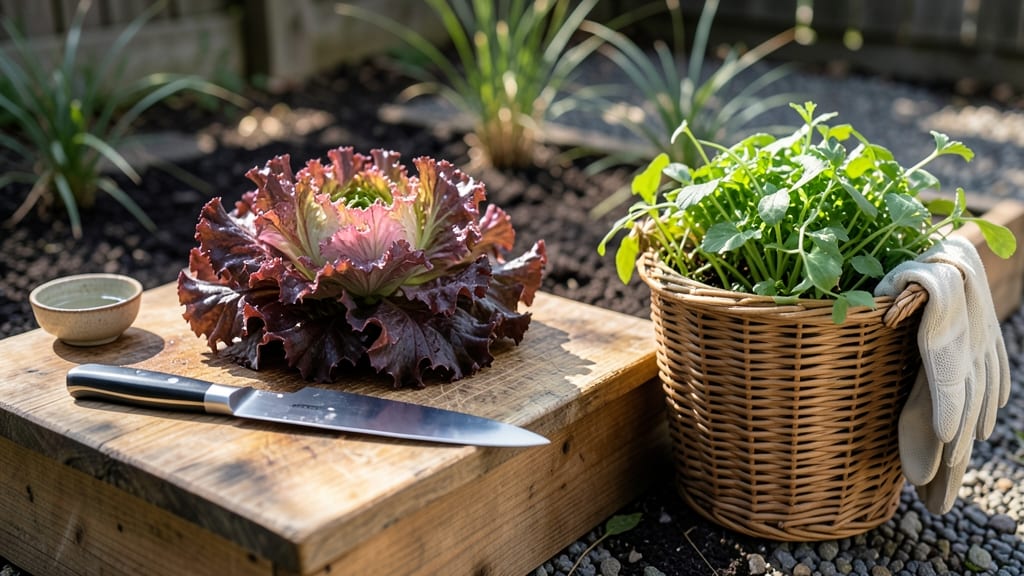
To harvest red leaf lettuce 🥬 at its crispest, you’ll want to time it right—between 30 and 60 days after planting, when leaves hit 4–6 inches and the deep red edges pop with flavor.
Picture this: you’re about to enjoy a salad, but your lettuce is already wilted or bitter. That’s what happens when you wait too long or cut too aggressively. The good news? A little patience and the right technique can turn your garden into a never-ending supply of fresh, vibrant greens.
Harvesting red leaf lettuce isn’t just about pulling leaves—it’s about encouraging regrowth. By cutting outer leaves and leaving the inner rosette intact, you can enjoy multiple harvests from a single plant. Plus, knowing when to pick (and how to store it afterward) keeps your greens crisp for days, not hours.
In this guide, I’ll walk you through the exact timing, tools, and storage tricks to keep your red leaf lettuce tasting fresh, whether you’re harvesting in spring or fall. No more sad, limp lettuce—just crisp, flavorful bites every time.


When and how to harvest red leaf lettuce for maximum crispness
Timing your harvest is everything when it comes to red leaf lettuce. Picking too early means missing out on flavor, while waiting too long results in bitter, tough leaves.
The sweet spot arrives when leaves reach 4-6 inches long with vibrant deep red edges—this usually happens 45-60 days after sowing in ideal conditions. Outdoor plants in spring or fall typically mature faster than those grown indoors, where light levels are lower.
For outdoor cultivation, aim for harvests between May-June and September-October in most USDA zones. In warmer climates, morning hours are best to avoid the midday heat that causes bolting.
If growing indoors near an east-facing window, expect a slightly slower growth rate—monitor leaf size closely since artificial light can't replicate sunlight intensity.
🌱
| Harvest Stage | Leaf Size | Color | Texture | Best Time |
|---|---|---|---|---|
| Early Harvest | 2-3 inches | Light green with red tips | Tender, slightly soft | 30-35 days (young leaves) |
| Prime Harvest | 4-6 inches | Deep red edges | Crisp and firm | 45-60 days (peak flavor) |
| Late Harvest | 6+ inches | Dull red or yellowing | Bitter, tough | 60+ days (avoid) |
| Indoor Harvest | 3-5 inches | Paler red tones | Softer texture | 50-70 days (slower growth) |
Use a sharp pair of scissors or clean pruning shears to harvest outer leaves first, leaving the inner rosette intact. This encourages regrowth and extends your harvest by 2-3 weeks.
Always cut just above a leaf node—this prevents damage to the plant's growing point. For full-head harvests, twist gently at the base while holding the stem to avoid tearing leaves.
Avoid harvesting during hot afternoons or after heavy rain, as both conditions stress the plant. Early morning is ideal—leaves are crispest and less likely to wilt.
If you notice yellowing leaves or a tight, closed rosette, your lettuce is bolting (flowering) and should be harvested immediately, even if leaves aren't fully mature.
🌿
To maximize regrowth, fertilize lightly with a high-nitrogen (5-10-10) solution after each harvest. Keep soil consistently moist but never soggy—waterlogged roots cause rot and stunt regrowth. In indoor setups, supplement with a grow light for 12-14 hours daily to maintain growth speed.
With proper care, you can harvest 3-4 times from a single planting!
For seasonal adjustments, spring harvests in cooler climates often yield the crispest lettuce, while fall harvests benefit from row covers to protect against early frost. In USDA Zone 6a, aim to finish outdoor harvests by late October before the first frost.
If frost threatens, harvest and store leaves in the crisper drawer of your fridge for up to 10 days.
💧
Common mistakes include pulling leaves instead of cutting, which damages the plant, or harvesting only the largest leaves while ignoring smaller ones. Always check the stem's firmness—if it snaps easily, the lettuce is ready.
Over-mature lettuce loses its crisp texture and develops bitter flavors, so stay vigilant about timing. With these techniques, you'll enjoy a steady supply of vibrant, crisp red leaf lettuce all season long!
Step-by-step guide to storing red leaf lettuce for freshness beyond the fridge
Storing red leaf lettuce properly keeps its crisp texture and vibrant color long after harvest. Unlike delicate greens, this variety handles storage better—but only if you follow the right steps. The key is humidity control and airtight containers to slow wilting.
I’ve tested these methods over multiple harvests, and the results speak for themselves: lettuce stays fresh twice as long when stored correctly.
Most gardeners make one of two mistakes: storing lettuce dry and exposed or packing it too tightly. Both lead to premature wilting within days. Instead, focus on moderate humidity (around 90-95%) and cool temperatures (32–40°F).
For short-term storage, your fridge crisper drawer is your best friend—but for longer freshness, you’ll need to get creative with blanching or freezing techniques.
- 1 Prep your lettuce: Rinse leaves gently under cool water to remove dirt, then pat dry with a clean towel or salad spinner. Remove any wilted or yellowed leaves immediately—they speed up spoilage.
- 2 Choose your container: For short-term storage (3–5 days), use an airtight container with a paper towel at the bottom to absorb excess moisture. For long-term (1–2 weeks), opt for a resealable plastic bag with holes punched in it or a glass jar with a lid.
- 3 Layer with humidity: Place lettuce in the container and add a damp paper towel over the top. This mimics the natural humidity lettuce thrives in. Seal the container loosely—lettuce needs airflow to stay crisp.
- 4 Store in the fridge: Place the container in the crisper drawer (if available) or on a low shelf where temperatures stay consistently cool. Avoid storing near strong-smelling foods like onions or garlic—they accelerate spoilage.
- 5 For longer storage (1–2 weeks): Blanch the lettuce first by dipping leaves in boiling water for 30 seconds, then plunging into ice water to stop cooking. Drain well, pat dry, and store in a freezer-safe bag with a paper towel to absorb ice crystals.
If you’re storing lettuce for more than a week, consider freezing as a last resort—it changes the texture but preserves nutrients. After blanching, spread leaves on a tray lined with parchment paper and freeze for 1 hour to prevent clumping.
Transfer to a sealed bag and use within 3 months for best quality.
One mistake I see often is overpacking containers, which traps moisture and causes mold growth within days. Another is storing lettuce unwashed—dirt and bacteria speed up spoilage. Always rinse and dry thoroughly before storing, even if you plan to wash it later.
For maximum freshness, harvest in the morning when leaves are crispest, then store immediately.
With these steps, your red leaf lettuce will stay crisp and vibrant for up to 2 weeks—no fridge required for short-term storage. The secret? Humidity control and proper airflow work together to keep your harvest looking like it just came from the garden. Happy storing! 🥬