
How To
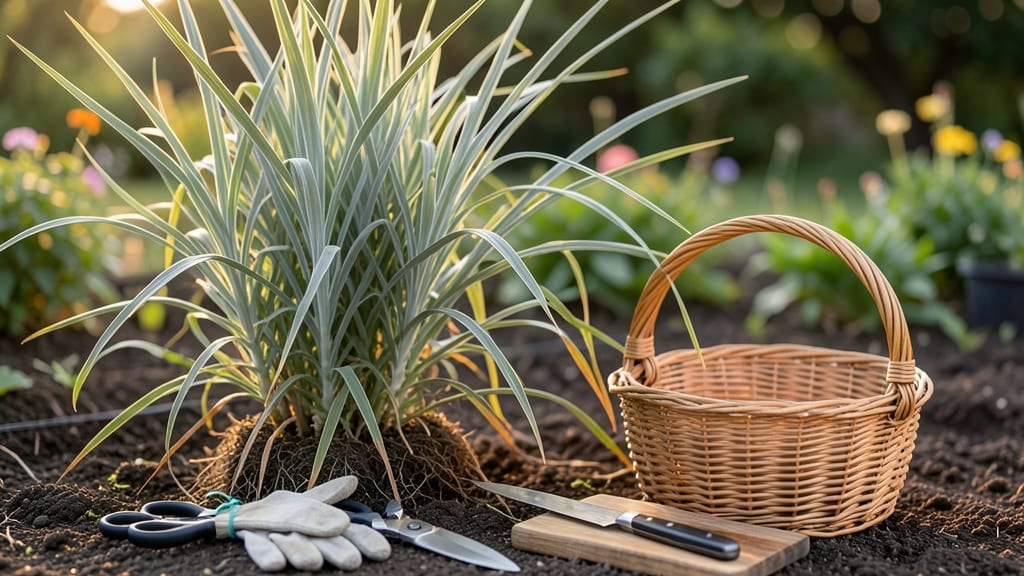
Harvesting and storing lemongrass the right way keeps its bold citrus flavor alive for months—whether you're chopping it for curries or drying it for winter soups.
Picture this: you’ve just pulled a stalk of lemongrass 🌿 from your garden, and it smells like sunshine. But if you don’t cut it correctly or store it wrong, that vibrant aroma fades fast.
The secret? Harvesting at the perfect height and using the right storage tricks to lock in flavor.
In this guide, you’ll learn exactly when to snip those stalks (hint: it’s not when they’re still short!) and how to preserve them fresh, frozen, or dried—without losing a drop of that zesty punch. No more wilting bundles or bland spices!
From avoiding common mistakes to reviving limp stalks, I’ll walk you through every step so your lemongrass stays as fresh as the day you planted it.


When and how to harvest lemongrass for peak flavor and freshness
Harvesting lemongrass at the right time ensures maximum flavor and aromatic oils while encouraging future regrowth. The key is timing—wait until the stalks reach 12-18 inches tall with vibrant green leaves and a strong citrus scent when bruised.
This typically occurs 6-12 months after planting, depending on your climate zone.
For peak freshness, avoid harvesting when the plant is flowering, as this shifts energy away from the aromatic oils you’re after. Instead, focus on outer stalks first to preserve the plant’s center for continued growth. This method mimics natural pruning and keeps your lemongrass productive for months.
| Harvest Stage | Stalk Height | Leaf Color | Stem Condition | Action |
|---|---|---|---|---|
| Early Growth | Under 10" | Pale green | Brittle | Wait |
| Ideal Harvest | 12-18" | Deep green | Firm, slight bend | Harvest outer stalks |
| Over-Mature | Over 24" | Yellowing | Woody | Prune back |
When harvesting, use a sharp knife or pruning shears to cut the stalks at soil level. This technique ensures the plant redirects energy to new growth from the base, rather than wasting resources on the cut stem.
Always harvest on a dry day to minimize disease risk and preserve the plant’s health.
For container-grown lemongrass, avoid cutting more than one-third of the stalks at once. Over-harvesting stresses the plant and can stunt future growth. Instead, space out harvests every 4-6 weeks during the growing season to maintain a steady supply of fresh, flavorful stalks.
One of the most critical mistakes is harvesting too early or too late. Early harvesting (before 12 inches) results in mild, underdeveloped flavor, while waiting too long (past flowering) leads to bitter, woody stalks.
The 12-18 inch mark is your sweet spot for both flavor and regrowth potential.
After harvesting, rinse the stalks gently under cool water to remove dirt, but avoid soaking them. Pat dry with a clean towel or paper towels to prepare for storage. Proper drying is essential to prevent mold, especially if you plan to freeze or dry the lemongrass for long-term use.
If you’re growing lemongrass in USDA Zones 6-8, time your harvests for late spring to early fall, before the first frost. In Zones 9-11, you can harvest year-round, but flavor peaks during the warmer months when the plant is most active.
Always store harvested stalks in a cool, dark place until ready to use.
To encourage future harvests, fertilize your lemongrass with a balanced 10-10-10 fertilizer after each major harvest. This replenishes nutrients lost during cutting and promotes vigorous regrowth. Pair this with consistent morning watering to keep the soil evenly moist but not waterlogged.
With the right harvesting techniques, your lemongrass plant can produce flavorful stalks for years. Whether you’re using it fresh in teas, soups, or stir-fries, proper harvesting ensures you always have access to this aromatic powerhouse without compromising future yields. 🌿
Best methods to store lemongrass long-term without losing flavor
Storing lemongrass properly preserves its citrusy aroma and flavorful oils, which degrade quickly when exposed to air or heat. The right method depends on whether you prefer fresh, dried, or frozen lemongrass for your recipes.
I’ve tested all four methods—refrigeration, freezing, drying, and root preservation—to share the best results with you.
For short-term use (up to 2 weeks), refrigeration keeps lemongrass fresh, while freezing works best for 3-6 months of flavor retention. If you’re planning to store it for years, drying or preserving the roots are your best bets.
Each method has trade-offs, so let’s break them down to help you choose the perfect fit for your needs.
How to Harvest and Store Lemongrass
Refrigeration
Pros: Quick, retains freshness, no prep.
Cons: Short shelf life, limited to 2 weeks.
Freezing (Whole)
Pros: Long shelf life (6+ months), easy to use.
Cons: Slight texture change, requires prep.
Freezing (Chopped)
Pros: Convenient for cooking, retains flavor.
Cons: Texture becomes mushy, best for soups/stews.
Drying
Pros: Long-term storage (1+ year), potent flavor.
Cons: Time-consuming, loses some fresh texture.
Root Preservation
Pros: Regrows indefinitely, fresh when needed.
Cons: Requires space, needs replanting.
To refrigerate lemongrass, wrap the whole stalks in a damp paper towel and place them in a sealed plastic bag. Store in the crisper drawer for up to 2 weeks.
The damp towel mimics humidity, slowing wilting. For freezing whole, trim the stalks, wrap tightly in plastic wrap, and store in a freezer bag for 6 months without significant flavor loss.
For chopped lemongrass, spread it on a baking sheet and freeze for 1 hour to prevent clumping. Then transfer to a freezer-safe bag—this method works best for curries or soups where texture isn’t critical.
If you’re drying, hang bundles upside down in a dark, dry place for 2-3 weeks or use a dehydrator at 135°F (57°C) for 4-6 hours.
Preserving the lemongrass roots is my favorite trick for year-round freshness. After harvesting, trim the stalks to 2 inches above the soil, then replant the roots in a pot with moist soil.
Keep it in bright indirect light and water weekly. The roots will regrow, giving you fresh lemongrass on demand for up to 2 years.
Always label your stored lemongrass with the date and method to track freshness. Refrigerated lemongrass wilts after 2 weeks, while frozen stalks last 6 months and dried bundles keep for 12+ months if stored in an airtight container.
Root-preserved plants can be harvested every 3-4 months for the freshest flavor.
Experiment with these methods to find your favorite! My go-to is freezing whole stalks for soups and drying for teas—both preserve that bright citrus aroma perfectly. Happy storing! 🌿