
How To
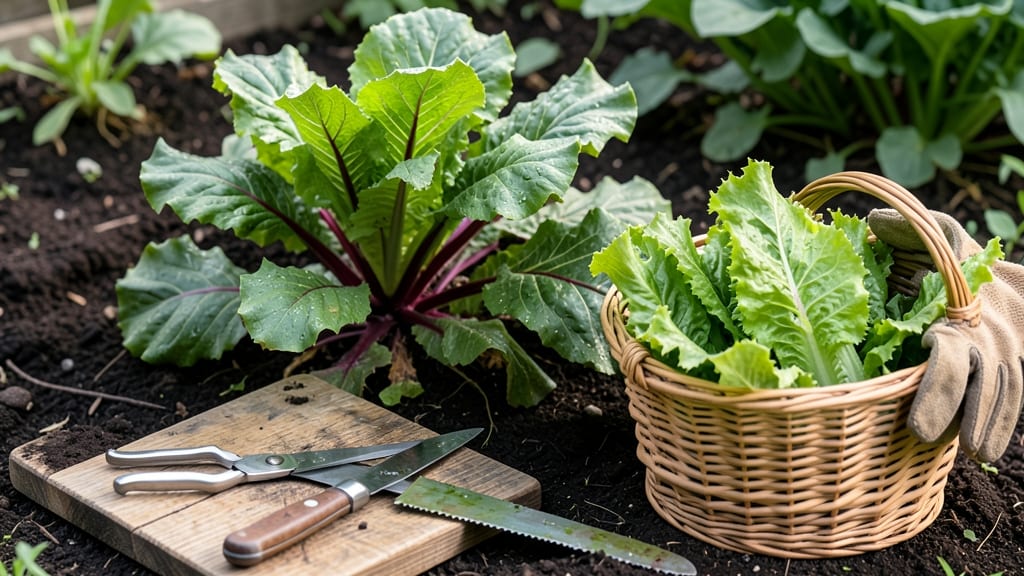
Harvesting leaf lettuce 🥬 the right way means tender, crisp greens every time—and a plant that keeps giving for weeks. If you’ve ever plucked leaves only to watch your lettuce bolt or wilt, you’re not alone.
The secret lies in timing, technique, and a few simple tools that make all the difference between a fresh salad and a sad, limp pile.
Most gardeners wait until leaves hit 4-6 inches before cutting, but that’s just the start. Harvesting outer leaves first lets the center keep growing, giving you continuous yields instead of a one-time haul.
And yes, morning is the best time—cool temps mean crispier texture and sweeter flavor, so plan your cutting session before the sun peaks.
You’ll need just two things: sharp scissors (to avoid tearing) and a clear goal—whether it’s baby leaves for salads or full heads for wraps.
Overharvesting is the fastest way to kill your plant, so I’ll show you how to cut without sacrificing regrowth, plus when to pull the plug if your lettuce starts bolting.
By the end, you’ll know exactly when to snip, how deep to cut, and the one trick that keeps your leaf lettuce producing for months. No more wasted greens—just a steady supply of homegrown goodness.


When to harvest leaf lettuce for best flavor and regrowth
Timing your leaf lettuce harvest correctly is the secret to crisp, flavorful greens and a plant that keeps producing. Unlike head lettuce, leaf varieties like Buttercrunch or Oakleaf thrive when you harvest strategically—cutting just the right leaves at the right time.
The goal? Balance immediate flavor with future regrowth so you can enjoy fresh greens for weeks.
Most leaf lettuce varieties are ready for harvest 30-50 days after sowing, but don’t wait until the entire plant is mature. Instead, focus on individual leaf size and texture. Leaves should be 4-6 inches long, dark green, and firm to the touch.
If you wait too long, they’ll bolt (send up a flower stalk) or become bitter. Harvesting too early? You’ll miss the peak flavor and slow the plant’s growth.
The best time to harvest is in the morning, after the dew has dried but before the sun intensifies. This ensures maximum crispness and nutrient concentration in the leaves.
Avoid harvesting in the heat of the day or after rain, as this can stress the plant and lead to bolting or disease. Season matters too—spring and fall harvests tend to be sweeter and more tender than summer cuts, which can taste bitter in hot weather.
For continuous regrowth, use the cut-and-come-again method: Snip or pinch off outer leaves first, leaving the inner leaves intact. This encourages the plant to produce more leaves from the center. Aim to remove no more than 1/3 of the plant at once—any more, and you risk stunting regrowth.
If you’re going for a full harvest, cut the entire plant at the base when leaves are fully mature but still tender.
Here’s how to spot the perfect harvest window for your leaf lettuce:
| Stage | Leaf Size | Texture | Color | Action |
|---|---|---|---|---|
| Early Growth | 1-3 inches | Very tender | Light green | Wait—too young |
| Ideal Harvest | 4-6 inches | Firm, crisp | Dark green | Cut outer leaves |
| Over-Mature | 6+ inches | Bitter, tough | Yellowing | Risk of bolting |
| Bolting | Any size | Tough, fibrous | Pale, flowering | Harvest immediately |
Seasonal adjustments are key to peak flavor. In spring, leaf lettuce grows quickly and tastes sweet and mild. Harvest in April or May for the best results. For fall harvests, aim for September or October—cooler temperatures prevent bolting and enhance sweetness.
If you’re growing in summer, provide shade cloth to keep leaves tender and avoid the bitter taste caused by heat stress.
Watch for bolting signs like tall stems or yellowing leaves—this means your lettuce is shifting to flower production. If you catch it early, harvest all remaining leaves immediately. Bolting is more likely in hot weather or if the plant is stressed (from drought or poor soil).
To prevent it, keep soil consistently moist, mulch to retain moisture, and avoid over-fertilizing with nitrogen, which can encourage rapid growth and bolting.
Pro tip: Harvest regularly to encourage continuous production. If you let the plant go too long without cutting, it’ll focus energy on flowering instead of leaf growth. For loose-leaf varieties like Salad Bowl, you can harvest every 7-10 days and still get multiple cuts.
For heirloom types like Black Seeded Simpson, which bolt more easily, harvest more aggressively to avoid bitterness.
Remember, leaf lettuce regrowth depends on light, water, and nutrients. After each harvest, give your plant a light fertilizer (high in nitrogen) and ensure it gets 4-6 hours of sunlight daily.
If you’re growing in containers, choose a pot at least 6 inches deep to allow roots to recover. With the right timing and care, one plant can provide harvests for months—far more than you’d get from a single cut!
🥬
Step-by-step leaf lettuce harvesting techniques for home gardeners
Harvesting leaf lettuce correctly can extend your harvest season by months—if you know the right techniques. The key lies in selective cutting and proper tool use to avoid stressing the plant.
Unlike head lettuce, leaf varieties like Buttercrunch or Oakleaf thrive when you harvest outer leaves first, allowing the center to keep growing.
Timing matters too: harvest in the morning after dew dries for crispest leaves. Overharvesting or using dull tools can trigger bolting (flowering) or disease. Let’s break down the exact steps to maximize your yield while keeping your lettuce happy and productive.
How to Harvest Leaf Lettuce
-
Step 1: Choose Your Tools
Use sharp scissors or a clean knife to avoid tearing leaves. Never pull leaves by hand—it damages the plant.
-
Step 2: Identify Ready Leaves
Look for outer leaves 4-6 inches long that are fully unfurled and dark green. Avoid harvesting leaves still curled or smaller than 3 inches.
-
Step 3: Cut at the Base
Hold the leaf firmly and cut at a 45-degree angle, leaving the stem intact. This prevents water from pooling and causing rot.
-
Step 4: Never Take More Than 1/3
Remove only outer leaves to preserve the plant’s energy. Cutting more than 1/3 stresses the lettuce and may trigger bolting.
-
Step 5: Harvest Whole Heads (Optional)
If your lettuce forms a tight head (like Romaine), cut the entire head 1 inch above the soil and compost the remaining base.
-
Step 6: Post-Harvest Care
Water the soil deeply after harvesting and apply a light mulch to retain moisture. Avoid fertilizing immediately—wait 2-3 days.
-
Step 7: Monitor Regrowth
New leaves should emerge in 7-10 days. If growth stalls, check for pests or nutrient deficiencies (yellowing leaves = nitrogen need).
One common mistake? Harvesting in the heat of the day when leaves are wilted. Always pick in the cool morning for the crispest texture. If your lettuce bolts (sends up a flower stalk), it’s past its prime—save seeds or compost it to avoid spreading to other plants.
Pro tip: Label your lettuce varieties if growing multiple types. Loose-leaf varieties regrow faster than heirloom types, which may need a full head harvest. With the right technique, you can enjoy fresh lettuce for 3-4 harvest cycles from a single planting!