
How To
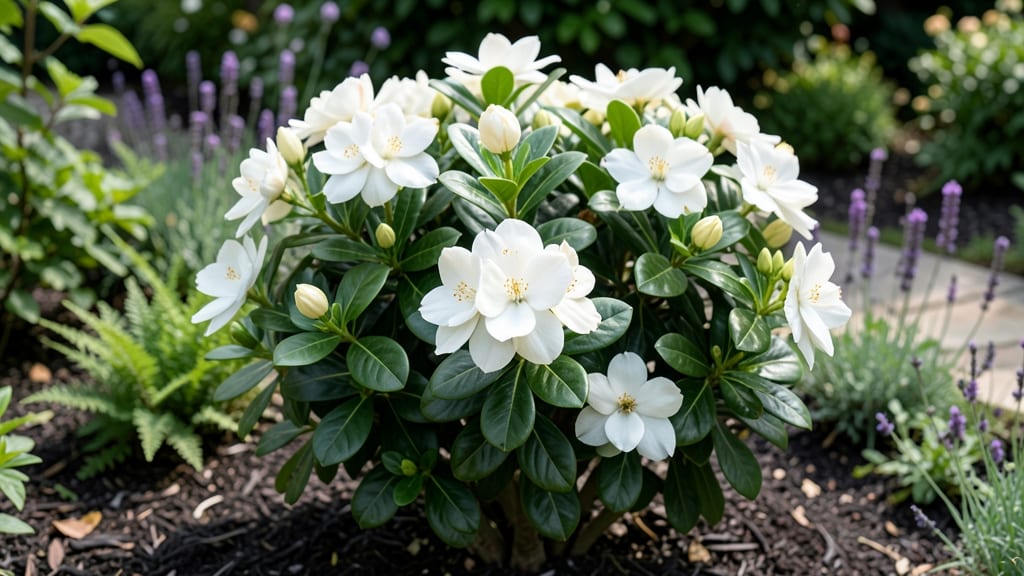
Gardenia plants grow anywhere from 2 to 6 feet tall at maturity, depending on the variety and growing conditions—so your space planning just got a whole lot more interesting.
Picture this: a compact gardenia 🌸 blooming in a container on your patio, or a towering specimen reaching for the sky in your backyard. The difference isn’t just aesthetics—it’s about pruning, sunlight, and even how you design your garden layout.
Some varieties stay shrub-sized, while others stretch into small trees, and knowing which is which can save you from crowded borders or sad, leggy plants.
If you’re wondering how to keep your gardenia from outgrowing its welcome, the answer lies in pruning at the right time and choosing the right spot.
A little strategic trimming in spring can encourage bushier growth, while proper sunlight and soil pH (yes, that matters!) keep them thriving at their ideal height. Below, we’ll break down the most common gardenia sizes, how to control their growth, and where to plant them for the best results.
Ready to turn your gardenia dreams into reality? You’ll learn how to pick the perfect variety for your space, master the art of pruning, and even troubleshoot common height-related problems—so you can enjoy those fragrant blooms without the headaches.


Gardenia mature height by variety: a size comparison guide
Gardenias are famous for their intoxicating fragrance, but their mature height can vary dramatically depending on the variety and growing conditions. If you're planning your garden layout, knowing whether your gardenia will stay compact or reach small-tree proportions is essential.
The most popular gardenia species, like G. jasminoides, can grow anywhere from 2 feet to over 15 feet, depending on whether it's a dwarf, standard, or climbing variety.
Climate plays a huge role in how tall gardenias grow. In warmer zones (USDA 8-11)**, they thrive and reach their full height potential, while in cooler climates (USDA 6-7), growth may be slower and more compact.
For example, a standard gardenia in Florida might hit 10-15 feet, but the same variety in Zone 7 might max out at 6-8 feet. Understanding these differences helps you choose the right variety for your space and climate.
Below, I’ve broken down the most common gardenia varieties by their typical mature height, growth habit (upright, bushy, or trailing), and whether they’re best suited for containers or garden beds.
This comparison will help you visualize how each variety fits into your garden design—whether you’re aiming for a privacy hedge, a fragrant border plant, or a container centerpiece.
| Variety | Common Name | Mature Height | Growth Habit | Best For |
|---|---|---|---|---|
| G. jasminoides | Cape Jasmine | 4–10 ft (dwarf: 2–3 ft) | Upright, bushy | Garden beds, hedges |
| G. augusta | Tropical Gardenia | 6–15 ft (small tree) | Upright, spreading | Tropical landscapes, large gardens |
| G. radicans | Creeper Gardenia | 3–6 ft (trailing) | Trailing, vine-like | Trellises, containers, ground cover |
| G. fortuniana | Fortune Gardenia | 3–5 ft (compact) | Bushy, rounded | Containers, small gardens |
| G. tabucacha | Tabucacha Gardenia | 2–3 ft (dwarf) | Compact, bushy | Borders, containers, bonsai |
If you're growing gardenias in containers, dwarf varieties like G. tabucacha or G. fortuniana are ideal because they rarely exceed 3 feet. These make stunning patio plants or balcony garden additions, especially when paired with complementary plants like coleus or impatiens.
Just ensure your container has drainage holes and is large enough to accommodate the plant’s root system—at least 12-18 inches in diameter for mature dwarf varieties.
For those in cooler climates (USDA 6-7)**, pruning plays a critical role in managing height. Without proper pruning, even dwarf varieties can grow taller than expected. I recommend light pruning in early spring to shape the plant and encourage bushier growth.
This not only controls height but also stimulates more fragrant blooms, which is the whole point of growing gardenias, right?
One variety that often surprises gardeners is G. radicans, the creeper gardenia. Unlike its upright cousins, this variety grows in a trailing habit, making it perfect for trellises, arbors, or even hanging baskets.
In ideal conditions, it can spread 6-10 feet horizontally, creating a lush, fragrant curtain of blooms. If you’re short on vertical space but want that gardenia scent, this is the variety for you!
For large gardens or privacy screens, G. augusta is a standout choice. This variety can grow into a small tree, reaching heights of 10-15 feet in tropical climates. It’s less common in nurseries but well worth seeking out if you have the space.
Pair it with bamboo or ornamental grasses to create a tropical oasis in your backyard.
Remember, gardenias are slow growers compared to many other shrubs, so don’t expect dramatic height changes year to year. With proper care—including acidic soil (pH 5.0-6.0)**, regular watering, and occasional pruning—you’ll see steady growth over time.
If you’re unsure about your gardenia’s potential height, start with a dwarf variety in a container and upgrade to a larger plant later if your space allows.
Now that you know how tall your gardenia could grow, you’re one step closer to creating a fragrant, beautiful garden that fits your space perfectly. Happy planting! 🌿
How to prune gardenias for optimal height and bloom
Pruning your gardenias isn’t just about keeping them tidy—it’s the secret to controlling their mature height while encouraging more fragrant blooms. Since gardenias can grow anywhere from 2 to 15 feet depending on the variety, strategic pruning helps you shape them into the perfect size for your garden.
The key is timing, technique, and knowing which cuts to avoid that can stress your plant or invite pests.
Most gardeners make one of two mistakes: pruning at the wrong time of year or cutting too aggressively. Both can stunt growth or even kill your plant. Instead, focus on light shaping cuts during the growing season to maintain your desired height while promoting bushier, more flower-heavy growth.
With the right approach, you can keep your gardenias compact enough for containers or tall enough to serve as a fragrant hedge.
Step-by-Step Pruning Guide for Gardenias
- 1 Choose the right time: Prune in early spring (just as new growth starts) or right after blooming in summer. Avoid pruning in fall or winter—this can damage tender new growth.
- 2 Gather your tools: Use clean, sharp pruners (sterilized with rubbing alcohol) and disinfectant to prevent disease. Avoid dull tools—they tear stems and invite pests.
- 3 Remove dead or diseased branches: Look for brown, mushy, or blackened stems—cut these back to healthy green wood. This improves airflow and reduces pest risks.
- 4 Shape for height control: To reduce height, cut back overly long branches by 1/3 of their length. For a bushier look, trim just above a leaf node to encourage new side shoots.
- 5 Encourage blooms: Prune spent flowers (deadheading) to redirect energy into new buds. Avoid heavy pruning in late summer—this can delay next year’s blooms.
- 6 Clean up after pruning: Remove all clippings from the area to prevent fungal diseases. Water the base lightly to help the plant recover.
One of the biggest pruning mistakes is cutting into old wood (wood older than 3 years). Gardenias bloom on new growth, so aggressive pruning can reduce flowering for the season. Instead, focus on light shaping and removing only the necessary branches.
If you’re growing a taller variety like G. radicans, you might need to prune more aggressively to keep it under control, but even then, avoid cutting back more than 25% of the plant’s height in a single session.
Pro tip: If your gardenia isn’t blooming as much as you’d like, it might be root-bound or nutrient-deficient. After pruning, add a layer of compost around the base and consider a balanced, acidic fertilizer to encourage healthier growth and more flowers.
Just remember—over-fertilizing can lead to leafy growth at the expense of blooms, so moderation is key.
With the right pruning routine, your gardenias will stay at your ideal height while producing abundant, fragrant blooms all season long. Start with light pruning in spring, monitor their growth, and adjust as needed.
Soon, you’ll have the perfect-sized gardenia for your space—whether that’s a compact container plant or a tall, fragrant hedge.