
Plants
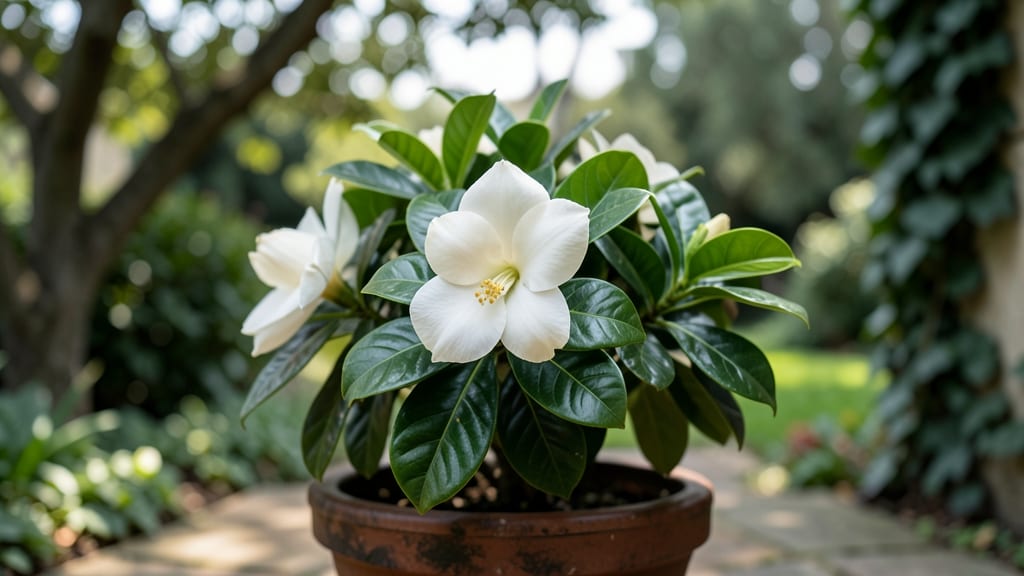
Gardenia plants bloom in late spring through summer 🌸, but the exact timing depends on your climate, variety, and how well you care for them.
Picture this: you’ve nurtured your gardenia for months, only to wonder why it’s still just leaves and no flowers. The truth? Gardenias are picky about their conditions, and a few small tweaks can turn that wait into a year-round parade of fragrant blooms.
In warmer climates like zones 8-11, gardenias often burst into flower as early as April, while in cooler regions like zone 6a, you might not see blooms until June or July.
But here’s the secret: with the right light, fertilizer, and pruning, you can coax blooms even in winter.
Below, I’ll break down the science of gardenia blooming—what triggers those creamy-white flowers, how to spot bud formation early, and the three biggest mistakes that keep your plant from flowering. Ready to turn your gardenia into a blooming machine?
Natural blooming seasons for gardenia plants: what to expect
If you've ever dreamed of waking up to the sweet, creamy scent of gardenias drifting through your garden, timing is your secret weapon. Gardenias are native to tropical and subtropical regions, and their blooming cycles are deeply tied to their natural habitats.
For U.S. gardeners, this means understanding regional variations—whether you're in humid Florida or milder California—can help you anticipate when those fragrant white blooms will appear. In tropical climates, gardenias often bloom year-round, while temperate varieties typically have a spring-to-summer window.
Most gardenias begin forming buds in late spring, with blooms appearing from June through September in ideal conditions. However, tropical varieties like Gardenia jasminoides can produce flowers in winter months if kept in warm, humid environments.
The key to predicting blooms lies in recognizing early signs: swollen buds turning pinkish and glossy leaves are your first clues that flowering is imminent. Pay attention to these details, and you'll never miss the magic of gardenia season.
| Variety | Blooming Season | Climate Zone | Early Bud Signs |
|---|---|---|---|
| Gardenia jasminoides (Common) | June–September | USDA Zones 7–11 | Pinkish buds, glossy leaves |
| Tropical varieties (e.g., 'Radicans') | Year-round (peaks spring/summer) | Zones 10–12 | Continuous bud formation |
| Dwarf varieties (e.g., 'Kleim's Hardy') | Late spring–early fall | Zones 6–9 | Swollen green buds |
Humidity plays a critical role in gardenia blooming. These plants thrive in environments with 60–80% humidity, mimicking their native tropical forests. In drier climates like Arizona or Texas, gardenias may produce fewer blooms unless you create a humid microclimate with misting systems or pebble trays.
Temperature also matters: gardenias prefer warmth between 65–75°F, and sudden cold snaps can shock buds into dropping. If you're in USDA Zone 7 or colder, consider growing gardenias in containers and bringing them indoors during winter.
Light exposure directly impacts blooming cycles. Gardenias need bright, indirect light—think morning sun with afternoon shade. Too much direct sunlight can scorch leaves and stress the plant, delaying blooms.
In indoor settings, place your gardenia near an east-facing window where it receives gentle light for 4–6 hours daily.
If you notice buds forming but not opening, it could be a sign of insufficient light or nutrient deficiencies, particularly low phosphorus levels, which are essential for flowering.
Regional differences in the U.S. create distinct blooming patterns. In Florida and Southern California, gardenias often bloom year-round with peak seasons in spring and fall. Meanwhile, in Georgia or North Carolina, you’ll see blooms primarily from June through August, with occasional winter flowers if temperatures stay mild.
For northern gardeners in Zones 5–6, gardenias may only bloom in summer months and require extra care to survive winter frosts. Understanding these patterns helps you set realistic expectations and plan your garden layout accordingly.
One of the most exciting aspects of gardenia care is watching buds develop. Early signs include swollen green buds that gradually turn pinkish as they mature. Healthy gardenias will also have deep green, glossy leaves—a clear indicator that the plant is thriving.
If you notice buds forming but failing to open, check for low humidity or inadequate phosphorus. A balanced 10-10-10 fertilizer applied in early spring can give your gardenia the boost it needs to produce abundant blooms.
For gardeners in tropical climates, the blooming cycle is far more predictable and often continuous. In these regions, gardenias may produce flowers every 6–8 weeks if given consistent care. However, even in warm climates, seasonal fluctuations can occur.
For example, during monsoon seasons, increased rainfall can lead to more frequent blooming, while dry spells may cause buds to drop. Pay close attention to your gardenia’s environment and adjust care routines accordingly to maintain a steady supply of fragrant blooms.
If you're growing gardenias in containers, blooming seasons may shift slightly due to temperature fluctuations. Potted gardenias are more susceptible to temperature swings, which can delay bud formation. To encourage blooming, keep containers in consistently warm locations and avoid placing them near drafts or air conditioning vents.
Additionally, deep watering and regular misting can help simulate the humid conditions gardenias love, prompting healthier growth and more abundant flowers.
Remember, every gardenia is unique, and factors like soil pH (ideal range: 5.0–6.5), pruning habits, and pest control can influence blooming times. By providing the right conditions—acidic soil, consistent moisture, and proper light—you’ll set your gardenia up for success.
With patience and care, you’ll soon be rewarded with those coveted fragrant blooms that make gardenias so special.
🌸
How to force gardenias to bloom earlier or later: pro tips
If you're dreaming of gardenias blooming right when you want them—whether it's for a special occasion or just to enjoy their fragrance year-round—you're in the right place. Gardenias naturally bloom in spring and summer, but with a few strategic tweaks, you can coax them into flowering earlier or later.
The key lies in understanding their light needs, nutrient triggers, and pruning timing.
Gardenias thrive in partial shade and acidic soil, but their blooming cycle can be nudged by adjusting these factors. For example, increasing phosphorus-rich fertilizer in early spring signals the plant to produce more blooms, while strategic pruning can reset the plant's growth cycle.
Let’s dive into the science-backed methods to get those creamy-white blooms on your schedule.
- Use high-phosphorus fertilizer (like 10-10-10) in early spring to trigger blooming.
- Prune after blooming to encourage new growth and earlier buds next season.
- Move potted gardenias to bright indirect light in winter to simulate spring conditions.
- Reduce watering in fall to mimic dormancy and delay blooming until spring.
- Use potassium-rich fertilizer in late summer to extend blooming into fall.
One of the most effective ways to force earlier blooms is by adjusting your fertilizer schedule. Gardenias respond well to phosphorus-heavy fertilizers, like a 10-10-10 blend, which encourages flower production.
Start feeding in late winter or early spring, just as the plant begins to wake up from dormancy. This gives it the nutrient boost it needs to produce buds faster than usual.
For gardeners in colder climates, winter blooming can feel like magic. To achieve this, move potted gardenias to a sunny indoor spot (like an east-facing window) in late fall. This mimics the longer daylight hours of spring, tricking the plant into thinking it’s time to bloom.
Pair this with consistent moisture and a light application of fertilizer, and you’ll see buds forming even in the dead of winter.
Pruning plays a crucial role in manipulating bloom times. If you want earlier blooms, prune lightly after the first flush of flowers in spring. This removes spent blooms and encourages the plant to produce new buds sooner.
Conversely, to delay blooming, avoid heavy pruning in late summer—this lets the plant focus on growth rather than flowering until the following season.
Don’t forget that light exposure is your secret weapon. Gardenias need 4-6 hours of morning sun but can scorch in harsh afternoon rays. If you’re pushing for later blooms, gradually increase their light exposure in late summer to prepare them for a longer flowering season.
For winter blooms, supplement natural light with a grow light to extend daylight hours.
With these pro tips, you’ll be well on your way to enjoying gardenias blooming exactly when you want—whether it’s for a romantic summer evening or a fragrant winter surprise. The key is patience and consistency, but the reward of those intoxicating blooms is worth every effort! 🌸