
How To
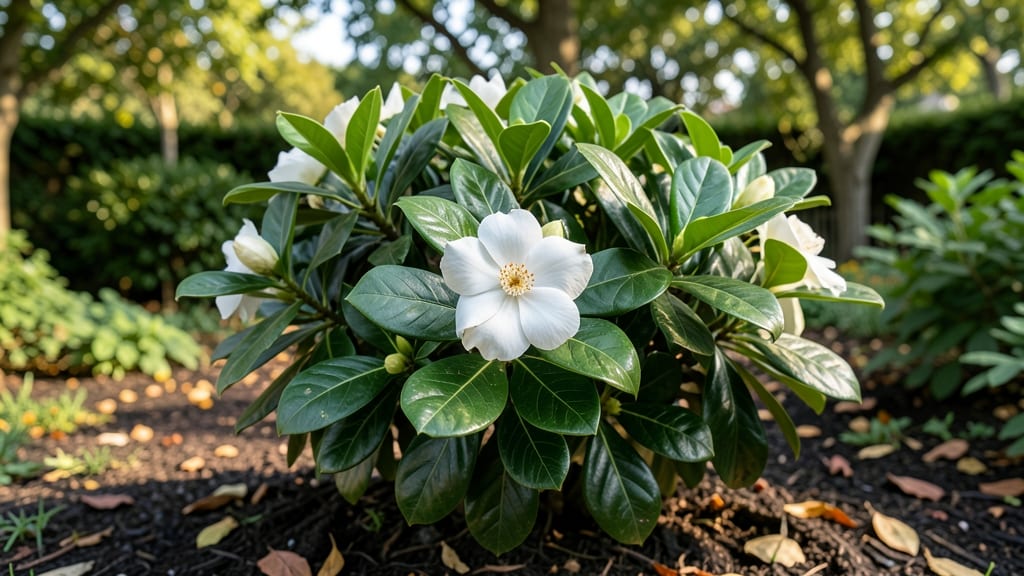
Gardenias can grow anywhere from 1 foot to over 6 feet tall, depending on the variety and care you provide—so choosing the right type for your space is the first step to happy blooms.
If you’re dreaming of fragrant, glossy gardenias but wondering how much space to dedicate, their height can vary dramatically—from compact shrubs to towering small trees. Knowing the right variety for your garden (or patio) ensures you choose a plant that thrives and fits your space perfectly.
Standard gardenias like Gardenia jasminoides typically reach 4 to 6 feet at maturity, making them ideal for landscapes or large garden beds. Meanwhile, dwarf varieties stay under 3 feet, perfect for containers or small yards.
Below, I’ll break down how to manage their growth—whether you want a bushy, manageable shrub or a towering centerpiece—plus the care tips that keep them thriving year after year.


Gardenia height by variety: small, medium, and large-sized plants
Gardenia plants are famous for their intoxicating fragrance and glossy evergreen leaves, but their mature heights can vary dramatically depending on the variety. Some stay compact enough for patio containers, while others grow into small trees that dominate garden landscapes.
Choosing the right size ensures your gardenia thrives without overwhelming your space—or getting lost in it.
Most gardenias belong to the Gardenia jasminoides species, but tropical varieties like Gardenia augusta can reach impressive heights. Understanding these differences helps you select a plant that matches your vision—whether you want a scented hedge, a container centerpiece, or a backyard focal point.
Below, I’ve categorized gardenias by their mature height ranges—dwarf (under 3 ft), medium (3–5 ft), and large (6+ ft)—along with their ideal growing conditions. This guide ensures you pick a variety that fits your garden’s layout and your climate zone.
Dwarf varieties like 'Radicans' are perfect for container gardening or balcony planters, while 'Kleim’s Hardy' offers cold hardiness for USDA Zones 6–10. These compact options thrive in 5-gallon pots with regular pruning to maintain their shape. Their slower growth rate makes them ideal for low-maintenance gardens.
Medium-height gardenias, such as 'Fortuniana' and 'Veitchii', strike a balance between space efficiency and impact. They’re excellent for foundation plantings or mixed borders, where their glossy leaves and fragrant blooms add year-round interest. These varieties often produce larger flowers (3–4 inches wide) compared to dwarf types.
For those with tropical climates (Zones 10–12), Gardenia augusta and 'Mystery' can grow into small trees, reaching heights of 6–10 feet. These giants require ample space and support—think tree stakes or pruning to shape their canopies.
Their rapid growth means they’ll fill out quickly, so plan accordingly if you’re planting near walkways or structures.
Height isn’t the only factor—soil acidity and sunlight exposure also influence how well your gardenia grows. Most varieties prefer acidic soil (pH 5.0–6.5) and partial shade (morning sun, afternoon shade) to prevent leaf scorch.
If you’re in a hot, dry climate, opt for dwarf or medium varieties that tolerate heat better than tropical giants.
Pro tip: If you love the look of a large gardenia but lack the space, consider topiary training or container growing with deep pots.
For example, 'Veitchii' can be pruned into a tree-like form with a single trunk and rounded canopy, making it a stunning specimen plant even in small yards.
🌿
How to control gardenia height: pruning, training, and care tips
Controlling your gardenia’s height starts with understanding its natural growth habits. Most gardenias grow between 2 to 6 feet, but with the right techniques, you can encourage a bushier shape or guide taller varieties to stay manageable.
The key is balancing pruning, support systems, and seasonal care—without stunting growth or inviting pests.
Over-pruning or neglecting soil health are the most common mistakes that limit gardenia growth. For example, cutting back too aggressively in late summer can delay blooming, while poor soil drainage leads to root stress.
Instead, focus on targeted pruning and nutrient-rich soil to maintain your gardenia’s ideal height while keeping it vibrant and fragrant.
- 1 Dwarf varieties (1–3 ft) like 'Radicans' thrive in containers—prune lightly after blooming to maintain shape.
- 2 Standard varieties (4–6 ft) need annual pruning in early spring to remove dead wood and encourage upward growth.
- 3 Tall gardenias (6+ ft) benefit from staking or trellises to prevent flopping, especially in windy climates.
- 4 Soil pH (5.0–6.5) is critical—amend with peat moss or sulfur to prevent stunted growth from nutrient deficiencies.
- 5 Avoid pruning during blooming season (spring/summer)—wait until after flowers fade to promote next year’s blooms.
To encourage a bushier gardenia, prune just above a leaf node at a 45-degree angle to stimulate lateral growth. For taller varieties, focus on removing lower branches to open the canopy and improve airflow, reducing disease risk. Always use sterilized shears to prevent bacterial infections.
Seasonal adjustments are key: Light pruning in late winter removes dead growth, while heavy pruning in early spring shapes the plant for the year. Mulch around the base with organic matter to retain moisture and protect roots—especially important for container-grown gardenias, which dry out faster.
If your gardenia isn’t growing as expected, check for root-bound containers or overcrowded roots. Repot larger varieties into well-draining, acidic soil mixes and avoid transplant shock by watering deeply before and after repotting.
With the right care, even tall gardenias can reach their full potential while staying healthy and fragrant.
🌿