
Planting
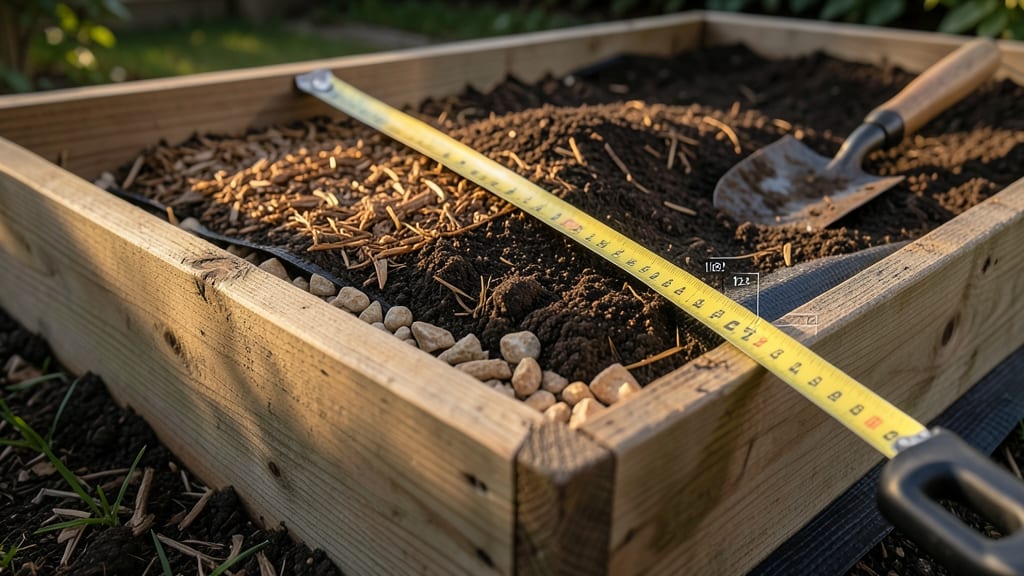
How deep to make raised garden beds is the key to healthy plants—aim for 6 to 12 inches to balance root space, drainage, and ease of planting.
Struggling to decide how deep your raised garden beds should be? The wrong depth can stunt root growth, waste soil, and even drown your plants—so let’s get the science right.
Most gardeners overlook that shallow beds (6 inches) work for herbs and lettuce but fail for carrots or tomatoes, while beds over 12 inches risk poor drainage and higher costs. Here’s how to pick the perfect height for your plants and soil.
You’ll learn how to adjust depth for different crops, avoid common mistakes, and even optimize for drainage and accessibility—so your raised garden beds work as hard as you do.
Optimal raised garden bed depth for root health and plant types
When building raised garden beds, the depth you choose directly impacts your plants' root health and overall success. Most gardeners aim for a minimum of 6 inches of soil, but the ideal depth often ranges between 6 and 12 inches to accommodate different plant types.
Shallow-rooted plants like lettuce or basil thrive in just 6 inches, while deep-rooted crops such as carrots or tomatoes need the full 12 inches to grow properly.
Soil depth isn’t just about space—it’s about oxygen flow, water retention, and preventing root competition. Deeper beds also help with drainage, reducing the risk of waterlogged soil that can suffocate roots.
If you’re growing a mix of plants, a 12-inch depth gives you the most flexibility, but even a 9-inch bed works well for most vegetables and herbs.
For deep-rooted plants like tomatoes or asparagus, a 12-inch depth is non-negotiable. These plants send roots downward to access nutrients and water, and shallow beds will leave them struggling. If you’re growing carrots or parsnips, loose, deep soil prevents forking and ensures straight, edible roots.
Even shallow-rooted herbs benefit from extra depth because it improves soil aeration and reduces competition for moisture.
Another key factor is the soil composition within your raised bed. A mix of topsoil, compost, and organic matter creates an ideal environment for roots to expand. Avoid filling your bed with just garden soil—this can compact over time and limit root growth.
Instead, layer 6 inches of topsoil at the bottom for stability, followed by 4–6 inches of compost-rich soil on top.
If you’re growing perennial plants like asparagus or rhubarb, consider going even deeper—up to 18 inches. These plants establish extensive root systems that take years to mature, and deeper beds give them the space they need to thrive long-term.
For most annual vegetables, however, 12 inches is the sweet spot, balancing root space with practicality.
One common mistake is assuming that deeper always means better. If your bed is too deep (e.g., 18+ inches) without proper drainage layers, water can pool at the bottom, leading to root rot.
Always include a 1–2 inch drainage layer of gravel or coarse sand at the base to prevent waterlogging. This is especially critical in clay-heavy soils or regions with frequent rainfall.
For container gardening or small spaces, you can still achieve great results with 6-inch-deep beds, but focus on shallow-rooted crops like lettuce, radishes, or green onions.
If you’re unsure about depth, start with a 9-inch bed—it’s versatile enough for most vegetables and herbs while being easier to manage than a full 12-inch setup. Over time, you can adjust based on what you’re growing.
Pro tip: If you’re building multiple beds,
How to adjust raised bed height for better drainage and soil control
Adjusting your raised bed height isn’t just about aesthetics—it’s a drainage game-changer and a soil retention secret. Too shallow, and roots suffocate; too tall, and you waste soil or struggle with accessibility.
The key lies in balancing height, ventilation, and material choice to create an ecosystem where plants thrive without you constantly battling soggy soil or erosion.
Start by considering your primary crops. Deep-rooted vegetables like tomatoes or carrots demand 12+ inches of soil, while herbs and lettuce flourish in 6–8 inches. But height isn’t just about depth—it’s also about bottom ventilation.
Without proper airflow, water pools at the base, leading to root rot and wasted nutrients. A 4–6 inch gap between the bed base and ground prevents this while keeping soil loose and breathable.
Here’s how different materials affect your design: Cedar decays slowly but needs extra height (18–24 inches) to last decades, while metal beds (like galvanized steel) can be shorter (10–12 inches) but require drainage holes to avoid rust. Composite lumber offers a middle ground—12–18 inches tall with built-in durability and ventilation.
For ultimate drainage control, consider tiered designs. Stacking beds creates layered airflow, letting water escape while keeping soil loose. Add landscape fabric at the base to block weeds but allow moisture to seep through.
If you’re working with clay-heavy soil, raise beds 18+ inches to prevent waterlogging entirely—this also makes weeding and harvesting a breeze.
Don’t overlook accessibility. A bed that’s too tall (over 24 inches) becomes a back-breaking chore, while too short (under 6 inches) fails shallow-rooted plants. Aim for 12–18 inches as a sweet spot—tall enough for roots, low enough for comfort.
Pro tip: Use removable sides to adjust height seasonally for spring planting (lower) vs. winter crops (higher for insulation).
Finally, test your setup after building. Fill the bed with water and time how long it drains—ideal drainage means water disappears in 30–60 minutes. If it pools, add more gravel or sand to the base.
With the right height, your raised beds will retain nutrients, prevent erosion, and keep roots happy—no guesswork required.