
Container Gardens
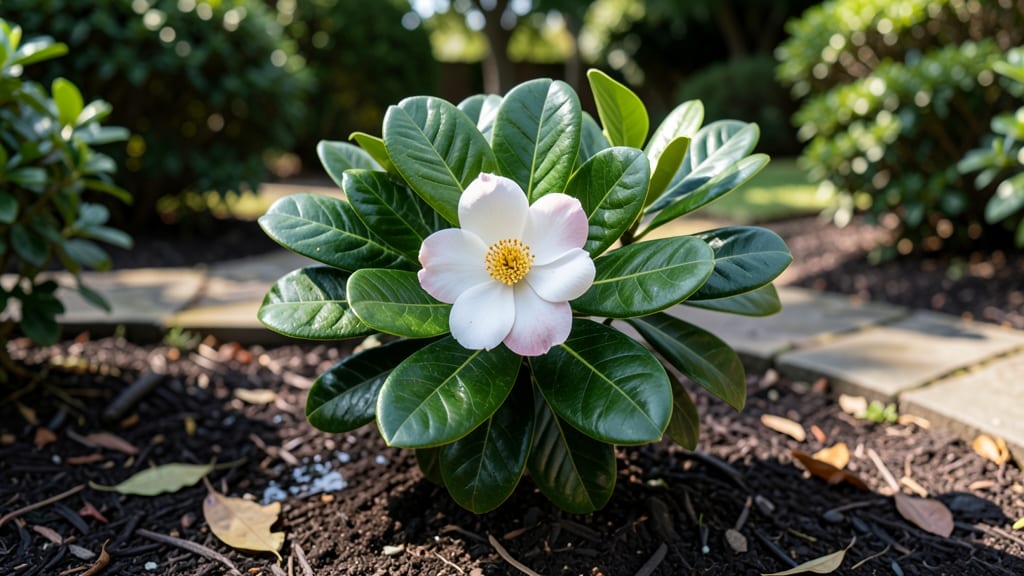
Growing gardenias in the right zone is the secret to those fragrant blooms you’ve been dreaming of 🌸 — and yes, it’s possible even if you’re not in a tropical paradise.
Picture this: you’ve nurtured your gardenia for months, only to watch it wilt overnight when temperatures dip. That’s the harsh reality for gardeners in zones 7 and below without the right care.
But with the correct timing and a few smart tricks, you can coax these tropical beauties to thrive where they’re not "supposed" to.
The ideal hardiness zones for gardenias span 8–11, where they bask in warmth year-round. Outside those zones? Don’t panic—container gardening, winter wraps, and cold-resistant varieties like ‘Kleim’s Hardy’ can bridge the gap. Here’s how to match your climate to the perfect planting strategy.
You’ll learn the exact USDA zones where gardenias shine, when to plant for peak blooms, and how to protect them from frost—even in cooler regions. Let’s get those gardenias growing where you live!
USDA hardiness zones for gardenias: where can you grow them?
Gardenias (🌸 Gardenia jasminoides) are tropical shrubs famous for their intense fragrance and glossy white blooms. But their cold sensitivity makes choosing the right USDA zone critical. These plants thrive in zones 8–11, where winters stay above 30°F (-1°C).
Outside these zones, gardeners must use containers, microclimates, or winter protection to keep them alive.
In USDA zones 8–11, gardenias grow year-round with minimal stress. However, even within these zones, microclimates (like sheltered spots near walls) can extend their range into zone 7b with careful winter care. Let’s break down where gardenias grow best and how to adapt them to cooler climates.
⚠️ Key Limitation: Gardenias cannot tolerate frost. Even a light freeze (28°F/-2°C) can kill leaves and buds. In zones 7 and below, they’re typically grown as container plants or in greenhouses.
| USDA Zone | Minimum Winter Temp (°F) | Cold Tolerance | Growth Notes |
|---|---|---|---|
| Zones 10–11 | 30–40°F (-1–4°C) | Frost-free year-round | Ideal for outdoor planting; minimal care needed. |
| Zone 9 | 20–30°F (-7–1°C) | Survives light frosts with protection | Plant near walls or use mulch for insulation. |
| Zone 8 | 10–20°F (-12–7°C) | Needs winter protection | Use burlap wraps or move containers indoors. |
| Zones 7a–7b | 0–10°F (-18–12°C) | Not recommended outdoors | Grow in containers and overwinter indoors. |
| Zones 6 & Below | Below 0°F (-18°C) | Not viable outdoors | Try greenhouse or indoor cultivation only. |
In zones 10–11, gardenias grow year-round outdoors with no special care beyond regular pruning and acidic soil maintenance. These areas mimic their native tropical climates, so blooms are abundant and fragrant. Florida, Hawaii, and Southern California are prime spots for outdoor gardenia cultivation.
For zone 9 gardeners, the challenge is late-winter frosts. Even a 28°F (-2°C) dip can damage leaves. To protect your plants, mulch heavily (4–6 inches of pine bark or straw) and plant near south-facing walls to trap heat. Dwarf varieties like 'Radicans' handle cooler temps better.
Gardeners in zone 8 face tougher winters. While gardenias can survive brief dips to 10°F (-12°C), prolonged cold kills them. Container growing is the best solution—move pots indoors before first frost (typically November in most zone 8 areas). Wrap containers in bubble wrap or burlap for extra insulation.
In zones 7 and below, outdoor growth is nearly impossible without a greenhouse. However, Kleim’s Hardy gardenia (a hybrid) can tolerate 15°F (-9°C) for short periods.
For most gardeners, container culture is the only option. Overwinter plants in a bright, cool room (50–60°F/10–15°C) and resume outdoor placement in late spring.
Microclimates play a huge role in extending gardenia ranges. A south-facing patio, sunroom, or protected courtyard can create a warmer microclimate in cooler zones. Even in zone 7b, a well-chosen spot might let you grow gardenias outdoors in summer and move them indoors for winter.
If you’re in a cooler zone, start with dwarf varieties like 'Kle
Best planting timelines by USDA zone: when to transplant gardenias
Timing is everything when transplanting gardenias, especially since they thrive in USDA zones 8-11 where frost-free seasons dominate. Planting too early risks cold damage, while waiting too long can stress roots before summer's heat arrives.
My experience shows that late winter to early spring (February-March) is ideal for most regions, but adjustments are key for container vs. in-ground planting.
For zones 10-11, gardenias can be transplanted year-round since frost isn't a threat. However, I always recommend avoiding peak summer months (June-August) when temperatures exceed 90°F, as this causes transplant shock.
In zone 9, aim for February-March before the last frost date, typically around March 15 in most areas.
Here’s my proven zone-specific planting timeline to maximize success:
🌱 Numbered Highlights: Optimal Transplanting Windows by USDA Zone
- Zone 11 (Frost-Free): Year-round (avoid extreme heat). Ideal months: September-October or February-March for minimal stress.
- Zone 10 (Mild Winters): February-March (before last frost, ~March 1) or September (6-8 weeks before first frost, ~November 15).
- Zone 9 (Hot Summers): Late February-Early March (soil temps 60°F+) or September (after 90°F heat waves pass).
- Zone 8 (Cooler Winters): March-April (after last frost, ~April 15) or late August (before 70°F nights return).
Pro Tip: Acclimate container gardenias for 7-10 days before transplanting by gradually exposing them to outdoor conditions.
Container gardenias need extra care during transplanting. I always water deeply 24 hours before moving to reduce root stress and prune leggy growth by 1/3 to encourage bushier regrowth.
For in-ground planting, amend the soil with peat moss or pine bark to maintain the acidic pH (5.0-6.5) these tropical shrubs crave.
Post-transplant, focus on consistent moisture and partial shade for the first 4-6 weeks. I’ve found that mulching with 3 inches of pine straw retains humidity and suppresses weeds, which is critical in zone 8’s drier springs. Avoid fertilizing until new growth appears—typically 6-8 weeks after transplanting.
In zone 9-11, watch for aphid infestations during spring transplanting. A quick spray of neem oil solves this before it becomes a problem. For container gardenias moved indoors in winter, place them near an east-facing window to mimic their natural light needs.
Remember, gardenias reward patience. By following these zone-specific timelines and adjusting for container vs. in-ground needs, you’ll set your plants up for lush foliage and fragrant blooms all season long. 🌸