
How To
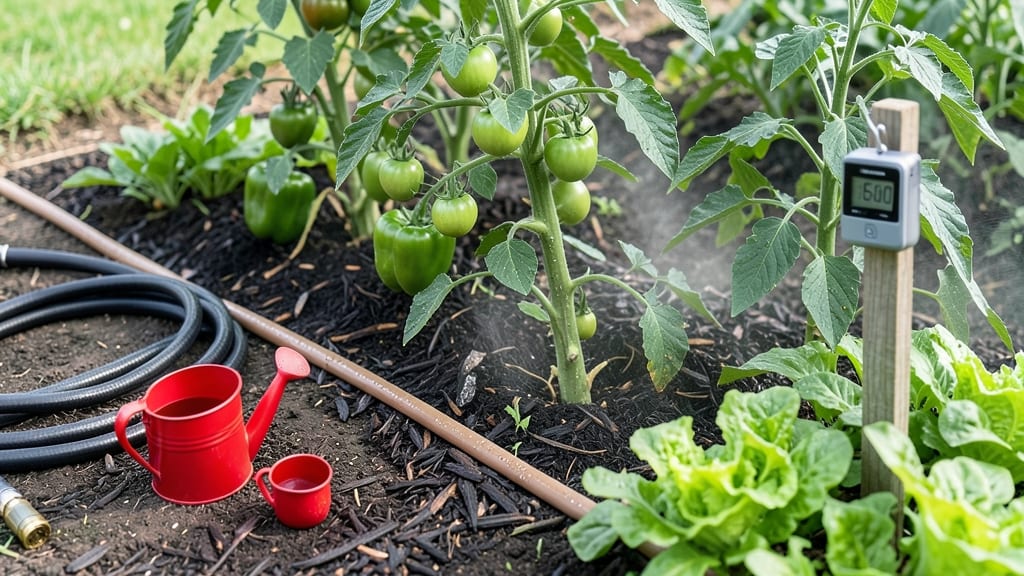
Leaving a soaker hose on your vegetable garden for the right amount of time ensures deep root growth and healthy plants 🥬—but guesswork leads to wasted water or stressed crops.
Struggling to balance watering your vegetable garden without drowning roots or leaving plants thirsty? A soaker hose can be a game-changer—but timing is everything.
Too little water and your greens wilt; too much and you risk root rot. The key is understanding how long each plant type needs, from shallow-rooted lettuce to deep-rooted carrots.
Here’s how to calculate the perfect watering duration, adjust for soil type and weather, and spot signs of over- or under-watering before it’s too late.
Soaker hose watering times by vegetable type: root depth and water needs guide
A soaker hose is my secret weapon for efficient vegetable garden watering, but getting the timing right can feel like solving a puzzle. The key lies in understanding your plants' root depth and water needs.
Shallow-rooted greens, medium-rooted tomatoes, and deep-rooted carrots all require different watering durations to thrive. Let's break down the science behind it so you can water like a pro.
First, I always check the soil moisture before setting the timer. Stick your finger about 1-2 inches into the soil—if it feels dry, it's time to water. For most vegetables, the goal is 1-2 inches of water per week, delivered slowly to encourage deep root growth.
A soaker hose delivers water directly to the roots, reducing waste and fungal risks compared to overhead watering.
Here's where things get interesting: root depth determines how long you should leave the soaker hose running. Shallow-rooted plants like lettuce and spinach need frequent, light watering, while deep-rooted crops like potatoes require longer, less frequent sessions. Let's dive into the specifics with this handy guide:
For leafy greens, I typically run the soaker hose for 15-30 minutes daily because their shallow roots need frequent moisture. These plants wilt quickly when thirsty, so consistency is key.
I always water in the early morning to prevent fungal issues from evening dampness. The goal is to keep the top inch of soil consistently moist without creating puddles.
Medium-rooted vegetables like tomatoes and peppers need deeper watering sessions. I leave the soaker hose on for 30-45 minutes every other day to encourage root growth downward. During peak summer heat, I increase the duration by 50% because evaporation rates skyrocket.
A simple trick I use is to check the soil at the base of the plant—if it's bone dry, it's time to water longer.
Deep-rooted crops such as carrots and potatoes require the longest soaker hose sessions—45-60 minutes every 3-4 days. These plants need water to penetrate deep into the soil to support their extensive root systems.
I've found that sandy soil requires 20% more time because it drains so quickly. Always water deeply but less frequently to prevent shallow root development.
Seasonal adjustments are crucial. In spring and fall, I reduce watering times by 20-30% because cooler temperatures mean slower evaporation.
During summer's peak heat, I extend sessions by 30-50% and sometimes water twice daily if temperatures exceed 90°F. Always monitor your plants for signs of stress—wilting or yellowing leaves can signal overwatering or underwatering.
Pro tip: Place a rain gauge near your garden to track weekly rainfall. Subtract any rainfall from your soaker hose schedule to avoid overwatering. For example, if you get 0.5 inches of rain, reduce your soaker hose time by 25% for most vegetables.
This simple adjustment saves water and prevents root rot.
Finally, I always test soil moisture before watering. Stick your finger into the soil—if it feels dry up to your first knuckle for shallow-rooted plants or deeper for root crops, it's time to water.
This tactile check beats guessing and ensures your vegetables get just the right amount of water for optimal growth.
With this tailored approach, your vegetable garden will thrive with deep, healthy roots and bountiful harvests—all while saving water and time. Happy gardening!
Signs your vegetables are overwatered or underwatered with a soaker hose
A soaker hose is a gardener's best friend for delivering water directly to roots, but even the best tools can backfire if you don't read your plants' signals. Overwatering and underwatering both show up in subtle (and not-so-subtle) ways, like yellowing leaves or mushy stems.
The key is learning to distinguish between thirsty plants and soggy soil—both can stunt growth or invite pests. Start by checking the soil texture: a clump that crumbles easily signals thirst, while a clump that stays sticky suggests too much moisture.
Your plants' leaves are like little mood rings for water needs. Wilting leaves often mean underwatering, but they can also signal overwatering if the soil feels waterlogged. Look for dark, mushy spots on stems or yellowing foliage—these are red flags for root rot, a common overwatering issue.
Meanwhile, crispy edges on leaves usually mean the roots aren't getting enough hydration. Pay attention to the growth rate too: slow or stunted growth can mean either extreme, but the soil will tell you which.
Fungal growth is another dead giveaway that your soaker hose is overdoing it. If you spot white mold on soil or black spots on leaves, your hose is likely running too long. Fungi thrive in damp conditions, and soaker hoses create the perfect environment if left on for hours. On the flip side, dry, cracked soil or plants that feel light as feathers when touched are begging for more water. The goal is consistent moisture, not a swamp or a desert.
✅ Overwatering Signs
- Yellow leaves (especially lower ones)
- Mushy stems or wilting despite wet soil
- Fungal growth (white mold, black spots)
- Slow growth or stunted plants
- Root rot (smelly, brown roots)
❌ Underwatering Signs
- Wilting leaves (even in morning)
- Dry, crispy soil or cracked ground
- Drooping plants that don’t perk up
- Brown leaf edges or dry patches
- Slow recovery after watering
To avoid guesswork, perform the finger test before adjusting your soaker hose. Stick your finger 1-2 inches into the soil—if it feels dry, your plants need more water. If it's damp or sticky, cut back on watering time.
For leafy greens, like lettuce or spinach, aim for 10-15 minutes per session, while deep-rooted veggies, such as carrots or potatoes, may need 20-30 minutes. Always water in the morning to let soil dry slightly during the day, reducing fungal risks.
If you notice overwatering signs, reduce your soaker hose time by half and let the soil dry between waterings. For underwatering, extend the duration by 5-10 minutes and monitor closely. Mulching around plants can also help retain moisture and regulate soil temperature.
Remember, consistency is key—vegetables hate dramatic swings in water levels. Adjust gradually based on what you observe, and soon you'll have a watering routine that keeps your garden thriving.
Pro tip: Keep a watering journal to track how long you run your soaker hose and how your plants respond. Note the weather conditions, soil type, and plant reactions—this will help you fine-tune your approach over time.
With practice, you'll develop a sixth sense for when your vegetables are happy and when they're crying out for help.