
Watering
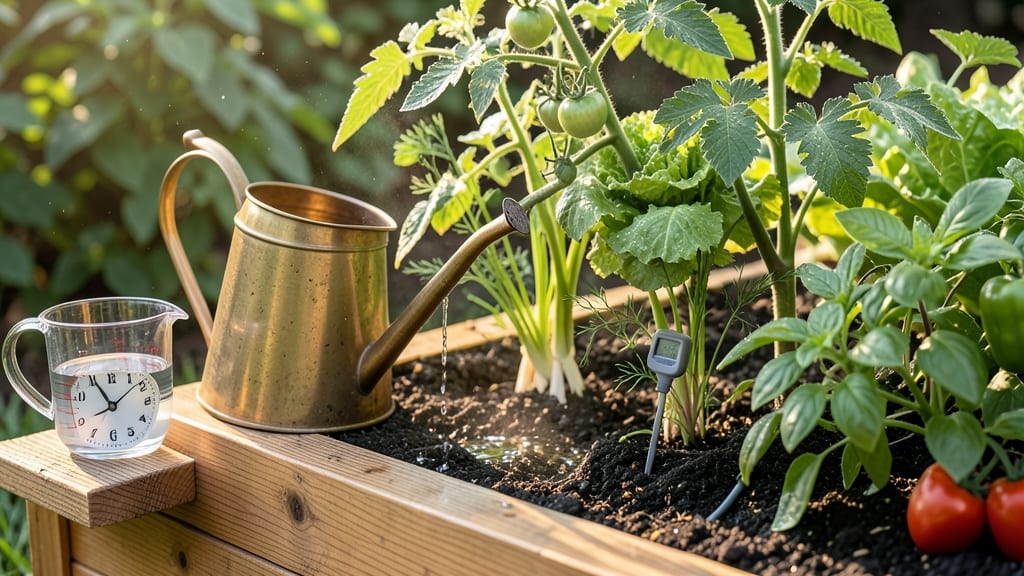
Watering your vegetable garden the right amount keeps roots thriving and yields bountiful harvests—yet most gardeners overthink it with guesswork instead of science.
Overwatering or underwatering your 🥬 can mean the difference between a thriving garden and wasted effort. Too much water drowns roots, while too little stunts growth, and neither helps your tomatoes or peppers reach their full potential.
In this guide, I’ll break down the exact watering schedule based on your soil type, climate, and plant needs—no more trial and error. You’ll learn when to water deeply, how often to check moisture, and the best times of day to avoid waste.
By the end, you’ll have a foolproof system to keep your vegetable garden consistently hydrated, whether you’re dealing with sandy soil in Zone 6a or heavy clay that holds moisture for days.
Watering vegetables by soil type: the science behind your schedule
Your vegetable garden's soil type isn't just dirt—it's the foundation that determines how often and how deeply you should water. Sandy soil drains like a sieve, while clay soil holds moisture like a sponge, and loamy soil strikes the perfect balance.
Understanding these differences means the difference between thriving tomatoes and sad, wilted leaves.
Most gardeners overestimate how much water their plants need, but the truth is, overwatering kills more plants than underwatering. The key lies in your soil's ability to retain moisture and the specific needs of each vegetable.
For example, lettuce and spinach need consistent moisture, while tomatoes and peppers prefer deeper, less frequent watering to encourage strong root growth.
Before we dive into schedules, let's talk about the soil moisture test—your secret weapon. Stick your finger about 1 inch into the soil. If it feels dry, it's time to water.
If it's damp, wait another day. This simple check saves you from both drowning your plants and leaving them thirsty.
Here’s how your soil type dictates watering needs for common vegetables:
Let’s break down the science: sandy soil drains water so fast that plants like radishes or lettuce need daily checks, while clay soil can suffocate roots if overwatered. The solution? Mulch your garden beds to slow evaporation and keep moisture where it belongs—near the roots.
For tomatoes in clay soil, aim for 1 inch of water per week, delivered in deep soakings rather than light sprinkles. This encourages roots to grow deeper, making your plants more drought-resistant.
Meanwhile, leafy greens in sandy soil thrive with daily misting to keep the top inch of soil moist.
Don’t forget about weather conditions. Hot, windy days dry out soil faster, so adjust your schedule accordingly. Use a rain gauge to track natural precipitation and subtract that from your watering total.
For example, if you get 0.5 inches of rain, you might only need to add 0.5 inches more from your hose or irrigation system.
Pro tip: Morning watering is always best. It reduces evaporation and gives plants a full day to absorb moisture before evening. Avoid watering at night, as damp foliage invites fungal diseases like powdery mildew or blight.
If you must water in the evening, use a soaker hose to deliver water directly to the soil, not the leaves.
Now, let’s talk root depth. Plants with shallow roots, like basil or arugula, need frequent, light watering. But deep-rooted veggies like carrots or potatoes benefit from deep watering every 2-3 days.
The goal? Wet the soil to the depth of the plant’s roots—usually 6-12 inches down for mature vegetables.
Finally, amend your soil if it’s not ideal. Sandy soil? Mix in compost or peat moss to improve water retention. Clay soil? Add sand or perlite to break up compaction. A little effort now means less guesswork later and healthier plants all season long.
Daily vs. deep watering: what your plants Really Need at Each Growth Stage
Most gardeners assume frequent shallow watering keeps vegetables happy—but that’s a myth. Light daily watering encourages shallow roots, while deep watering strengthens roots and boosts drought resistance. The key? Matching your watering method to your plants’ growth stage and environmental needs.
For example, seedlings need shallow moisture to stay hydrated, but mature tomatoes thrive with deep soakings to prevent blossom-end rot.
Think about it: Shallow watering (like sprinkling) only wets the top inch of soil, forcing roots to stay near the surface. This works for seedlings or hot afternoons when evaporation is high, but it’s a crutch, not a long-term solution.
Meanwhile, deep watering (1–2 inches per session) encourages roots to grow downward, making plants more resilient during dry spells. The trick is knowing when to switch from one method to the other.
- 1 Seedlings & Transplants: Light daily watering (top 1 inch) to keep soil moist but not soggy. Use a spray nozzle or watering can to avoid disturbing delicate roots. Frequency: Every 1–2 days.
- 2 Vegetative Growth: Deep watering (1–2 inches) 2–3 times per week to encourage root expansion. Focus on the base of the plant, not the leaves. Frequency: Every 2–3 days (adjust for heat).
- 3 Flowering/Fruiting: Deep + consistent watering (1.5–2 inches) to prevent stress. Avoid wetting foliage to reduce disease risk. Frequency: Every 1–2 days in heat, every 3–4 days in cooler weather.
- 4 Leafy Greens (Lettuce, Spinach): Shallow but frequent watering to maintain crispness. Keep soil evenly moist—never dry out. Frequency: Daily in summer, every other day in spring/fall.
- 5 Heatwave Adjustments: Morning deep watering + mulch to retain moisture. Increase frequency by 30–50% during 90°F+ days. Signs of stress: Wilting by noon = needs water now.
Let’s break it down by plant type. Tomatoes and cucumbers are heavy drinkers during fruiting—they need deep watering 2–3 times per week to avoid cracked fruit or bitter flavors. On the other hand, leafy greens like lettuce prefer shallow, frequent watering to stay crisp.
Overwatering them leads to bolting (going to seed), while underwatering makes them bitter. The same goes for herbs like basil—drought stress turns leaves tough and flavorless.
Pro tip: Use your finger to test soil moisture. Stick it 1–2 inches deep—if it feels dry, it’s time to water. For deep watering, let the hose run for 10–15 minutes per plant until water pools slightly at the base.
This mimics natural rainfall and trains roots to dive deeper. And always water in the early morning to reduce evaporation and fungal diseases like powdery mildew.
Remember, consistency is key. Plants thrive on routine, so stick to your schedule unless extreme weather (drought or downpours) dictates otherwise. A drip irrigation system or soaker hose can automate deep watering, saving you time and ensuring roots get what they need.
With the right approach, your vegetables will reward you with healthier growth, better yields, and fewer pests.
Start with these growth-stage rules, and soon you’ll be watering like a pro—no guesswork required. Your garden (and your future salads) will thank you! 🌱