
Light Requirements
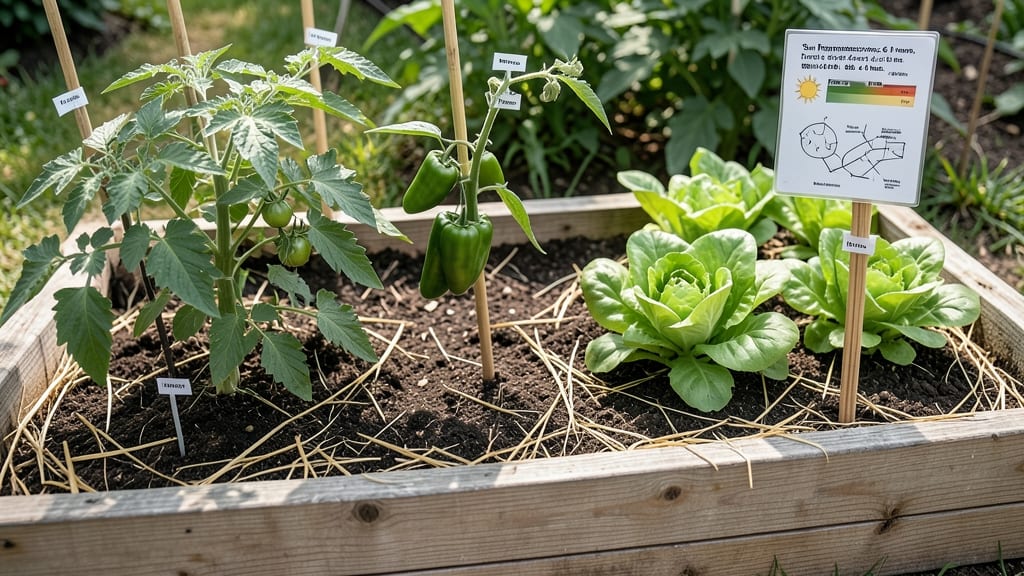
A vegetable garden needs how much sun does a vegetable garden need—with most crops thriving on 6 to 8 hours of sunlight daily—but too much or too little can spell disaster for your harvest. 🥬 Struggling to decide where to plant your tomatoes or why your lettuce keeps bolting?
Sunlight is the single most critical factor for a thriving vegetable garden—yet most gardeners get it wrong. Discover the exact daily sun requirements for every major crop, from leafy greens to heavy feeders, to maximize your harvest this season.
Some vegetables, like tomatoes and peppers, demand full sun to produce fruit, while others, such as leafy greens, can handle partial shade. Understanding these differences isn’t just about placement—it’s about timing, too.
Morning sun vs. afternoon heat can change how your plants grow, and knowing when to adjust will save you from wasted effort.
In this guide, I’ll break down the ideal sunlight hours for your favorite crops, how to measure sunlight in your garden, and even how to fix common mistakes that kill yields. Ready to grow like a pro?

Sunlight requirements by vegetable type: full sun vs partial shade breakdown
Understanding sunlight requirements for your vegetable garden is like learning the secret language of plant growth. Too little sun and your tomatoes will produce sparse fruit, while too much can cause leafy greens to bolt prematurely.
The key lies in matching each crop to its ideal daily sunlight hours, whether it's full sun, partial shade, or even shade tolerance. Let’s break down the essentials so you can place every plant where it thrives.
Most gardeners categorize sunlight needs into three broad groups: full sun (6+ hours), partial sun (4-6 hours), and shade-tolerant (2-4 hours). However, even within these categories, some crops have specific thresholds that can make or break your harvest.
For example, peppers and cucumbers demand 8+ hours of direct sun, while spinach and kale thrive with just 3-5 hours. Ignoring these needs often leads to stunted growth, poor yields, or even plant death.
Here’s the game-changer: a sunlight requirements breakdown tailored to your garden’s layout. By mapping your garden’s sun exposure zones, you can strategically place sun-loving crops in the brightest spots and reserve shadier areas for delicate greens.
This approach maximizes space and ensures every plant gets the optimal sunlight it craves.
Let’s start with the full-sun champions—the crops that refuse to compromise. Tomatoes, for instance, need 8+ hours of direct sun to produce sweet, juicy fruit. Without it, they’ll grow lanky and produce bitter, undersized tomatoes.
Similarly, peppers and cucumbers demand full sun to develop their signature flavors and textures. Even corn, a heavy feeder, requires 6+ hours of sunlight to grow tall and produce plump ears.
Place these crops in the sunniest part of your garden, ideally where they receive morning sun and afternoon light.
Next, we have the partial-sun crowd, which includes versatile crops like basil and beans.
These plants can handle 4-6 hours of sunlight but appreciate some afternoon shade, especially in hot climates. Carrots and onions also fall into this category, though they can tolerate slightly less sun if the soil stays consistently moist.
The trick here is to avoid intense afternoon heat, which can stress these plants and lead to bolting or bitter flavors. A spot with morning sun and dappled shade works best.
Finally, there are the shade-tolerant greens, the unsung heroes of the garden. Spinach, lettuce, and kale thrive with just 2-4 hours of sunlight, making them perfect for northern gardens or areas with limited sun exposure.
These crops actually bolt (go to seed prematurely) when exposed to too much heat and sun. To keep them happy, plant them in eastern-facing beds or under the shade of taller plants like corn or sunflowers. This way, they get gentle morning light without the harsh afternoon rays.
One common mistake is assuming that all vegetables need full sun. While it’s true that most fruiting crops (like tomatoes and peppers) demand plenty of light, leafy greens and root vegetables often do just fine—and sometimes even prefer—partial shade.
For example, radishes and green onions can thrive in spots that get only 3-4 hours of sun, provided the soil stays cool and moist. Understanding these nuances can double your garden’s productivity by utilizing every inch of space efficiently.
To put this into practice, start by auditing your garden’s sunlight. Use a sunlight tracker or simply observe how sunlight moves across your space throughout the day. Mark areas that get full sun, partial sun, and shade, then assign crops accordingly.
If your garden lacks natural shade, consider using shade cloth or planting tall crops like sunflowers or pole beans to create natural shade for sensitive plants.
Remember, the golden rule of vegetable gardening is to match the plant to the light. By following this sunlight requirements breakdown, you’ll create a garden that’s not only productive but also balanced and resilient. Whether you’re growing heat-loving tomatoes or cool-season greens, getting the sunlight right is the first step to a bountiful harvest. 🌱
Sunlight isn't just about how bright your garden is—it's about when and how long that light hits your plants. Morning sun behaves differently than afternoon sun, and microclimates (like near fences or trees) can create hot spots or shady pockets where plants struggle. Without measuring these factors, you might accidentally turn your tomato patch into a lettuce graveyard or vice versa. Start by observing your garden from sunrise to sunset. Note which areas get direct sunlight for 6+ hours, which receive dappled shade, and where deep shade lingers. Use a simple sunlight audit to map these zones—this will save you from guessing where to plant your sun-hungry peppers or shade-loving kale. The key is matching plants to their ideal light conditions, not just assuming "more sun is better." Once you’ve mapped your garden’s sunlight patterns, strategically place plants to optimize growth. For example, pair tall sun-lovers like corn or sunflowers on the north side of your garden to avoid shading shorter crops. Use companion planting to create natural shade—plant radishes near lettuce to protect them from afternoon heat while they mature. For crops that need partial shade, like arugula or Swiss chard, consider succession planting. Sow seeds in shadier spots early in the season when sunlight is less intense, then move them to sunnier areas as they mature. This extends your harvest window and reduces bolting caused by too much light. If your garden has areas with excessive sunlight, use shade cloth or row covers to filter light for heat-sensitive plants. For instance, a 30% shade cloth reduces light by 30%—perfect for cucumbers or zucchini in hot climates. Conversely, if you have shady corners, grow shade-tolerant crops like bok choy or microgreens to make the most of the space. Finally, don’t forget to rotate crops annually to balance sunlight exposure. Heavy feeders like tomatoes and peppers need full sun, while root vegetables like carrots can tolerate partial shade. By adjusting your garden layout based on sunlight, you’ll create a high-yielding, low-stress growing environment where every plant thrives in its perfect spot. 🌱How to measure sunlight in your garden and adjust plant placement