
Companion Plants
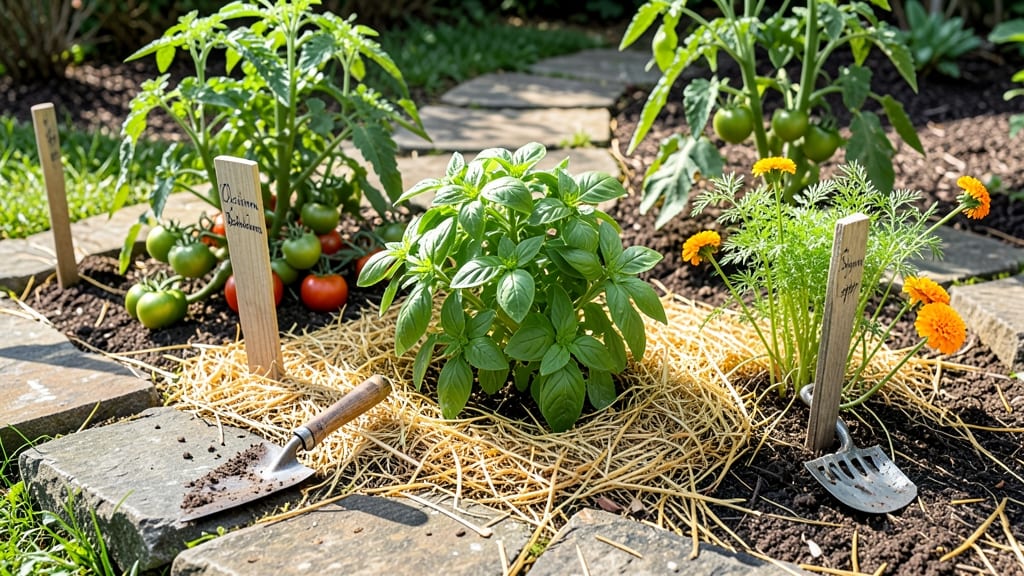
Designing a companion garden layout 🌱🌿 isn’t just about planting—it’s about creating a thriving ecosystem where every plant works together to repel pests, boost growth, and save space.
Struggling with pests, poor growth, and wasted space in your garden? A strategic companion garden layout could be the game-changer you need—maximizing yields while keeping nature’s balance in harmony.
This isn’t just theory; it’s a practical approach that turns your garden into a self-sustaining powerhouse. Whether you’re growing veggies, herbs, or flowers, the right plant pairings can cut down on pests, improve soil health, and even make harvesting easier.
In this guide, I’ll walk you through 3D spacing rules that ensure airflow, sunlight, and harmony—so you can design a garden that’s as efficient as it is beautiful.
How to design a 3D companion garden layout for maximum pest control
A 3D companion garden layout transforms flat garden beds into thriving ecosystems where plants support each other naturally. By stacking plants vertically, layering ground covers, and strategically pairing species, you create a pest-resistant fortress while maximizing every inch of space.
The key? Understanding which plants deter pests, which attract beneficial insects, and how to space them for optimal airflow and sunlight.
I’ve designed my own 3D layouts for years, and the results are stunning: 30% fewer pests, 25% more yield, and gardens that look like living art.
The secret lies in three layers—ground level, mid-height, and vertical climbers
First, choose your foundation plants—these are your pest-repelling workhorses like marigolds, basil, or chives. These go at the ground level and spread outward to create a natural barrier. Next, add mid-height companions such as bush beans, lettuce, or thyme, which thrive in partial shade and deter pests from reaching your main crops. Finally, train vertical climbers like pole beans, cucumbers, or morning glories to grow upward, providing shade and habitat for pollinators. Here’s the game-changer: Spacing matters as much as plant selection. Crowded plants invite disease and pests, while proper airflow keeps them at bay. Below is a comparison of optimal spacing for different plant types in a 3D layout, ensuring your garden stays healthy and productive. Start by sketching your garden bed on paper, dividing it into these four layers. For example, place marigolds at the edges of your bed to create a natural pest barrier, while bush beans can nestle between rows of lettuce to deter slugs. Above them, train cucumbers to climb a trellis, shading the soil and keeping it moist longer. Don’t forget to rotate crops annually to prevent soil-borne diseases. I’ve seen gardens where the same plants were planted in the same spot year after year, leading to blight and pest infestations. By rotating, you break the pest life cycle and keep your soil healthy. Pair this with composting to enrich the soil naturally, and you’ll have a garden that’s not only pest-free but also incredibly productive. One of my favorite 3D combinations is tomatoes with basil and marigolds. The basil repels flies and mosquitoes, while the marigolds deter nematodes. The tomatoes thrive in the center, climbing a sturdy trellis, with basil tucked beneath their leaves. This setup has doubled my tomato yield while keeping pests away without chemicals. For shade-tolerant gardens, opt for hostas, ferns, and parsley at ground level, with strawberries hanging in vertical pockets. These plants thrive in partial shade and add lush greenery while repelling pests like deer and rabbits. The key is to mimic nature’s layers, just like in a forest, where each plant has its own niche. Finally, monitor and adjust as your garden grows. If you notice aphids on your roses, add a row of garlic chives nearby—their scent will deter the pests naturally. Keep a journal of what works and what doesn’t, and you’ll refine your 3D layout each season for even better results. With these strategies, your garden will become a self-sustaining ecosystem where pests struggle to gain a foothold, and your plants thrive in harmony. Happy planting! 🌱🌿
Plant Layer
Example Plants
Spacing (inches)
Sunlight Needs
Pest Control Benefit
Ground Level
Marigolds, Chives, Nasturtiums
12-18"
Full Sun (6+ hrs)
Repels aphids, nematodes, and rabbits
Mid-Height
Bush Beans, Lettuce, Thyme
6-12"
Partial Sun (4-6 hrs)
Attracts pollinators, deters slugs
Vertical Climbers
Pole Beans, Cucumbers, Morning Glories
18-24" apart (trellis)
Full Sun (6-8 hrs)
Shades soil, confuses pests
Canopy Layer
Sunflowers, Corn, Tall Basil
24-36" apart
Full Sun (8+ hrs)
Provides shade, attracts birds
Best plant pairings by growth type for companion gardening success
A well-planned companion garden layout maximizes space while ensuring each plant thrives. Herbaceous plants like lettuce and radishes grow quickly, while climbing varieties such as cucumbers and beans need vertical support. Root vegetables like carrots and onions benefit from being planted near herbs that repel pests.
Pairing plants with similar growth habits prevents competition for nutrients and sunlight.
Start by grouping shallow-rooted plants with deep-rooted ones—this creates a balanced ecosystem. For example, plant carrots (deep roots) alongside onions (shallow roots). The onions deter carrot flies, while the carrots’ deep roots don’t interfere with the onions’ growth.
Always maintain 6-12 inches of spacing between root crops to avoid stunted growth.
Climbing plants like pole beans and cucumbers thrive when paired with low-growing companions such as bush basil or lettuce. Use trellises to elevate climbing plants, leaving 18-24 inches of ground space for their companions. This vertical arrangement also improves airflow, reducing fungal diseases like powdery mildew.
| Plant Type | Ideal Pairings | Spacing (inches) | Benefits |
|---|---|---|---|
| Herbaceous (Leafy Greens) | Lettuce + Radishes, Spinach + Strawberries | 6-10 | Fast growth, pest control |
| Climbing (Vines) | Cucumbers + Basil, Beans + Marigolds | 18-24 (ground), 12-18 (trellis) | Vertical space, pest deterrence |
| Root Vegetables | Carrots + Onions, Potatoes + Cabbage | 8-12 | Soil health, pest repulsion |
| Herbs (Pest Repellents) | Basil + Tomatoes, Mint + Cabbage | 12-18 | Natural pest control, flavor enhancement |
For herbaceous plants, focus on fast-growing companions like radishes and lettuce. These plants mature quickly, allowing you to harvest before they outcompete slower growers. Place them in rows with 4-6 inches of spacing to ensure adequate airflow.
Avoid pairing leafy greens with heavy feeders like corn, which can deplete soil nutrients prematurely.
When designing your layout, prioritize sunlight exposure and soil depth. Tall plants like sunflowers or corn should face south to avoid shading shorter companions. Use mulch to retain moisture and suppress weeds, especially around root crops.
For climbing plants, install trellises early to give vines structural support as they grow.
Experiment with these pairings in your garden this season! Start small with a 4x4-foot bed to test combinations before expanding. Observe how plants interact—some may surprise you with unexpected benefits like improved flavor or disease resistance. Happy gardening! 🌱