
Container Gardens
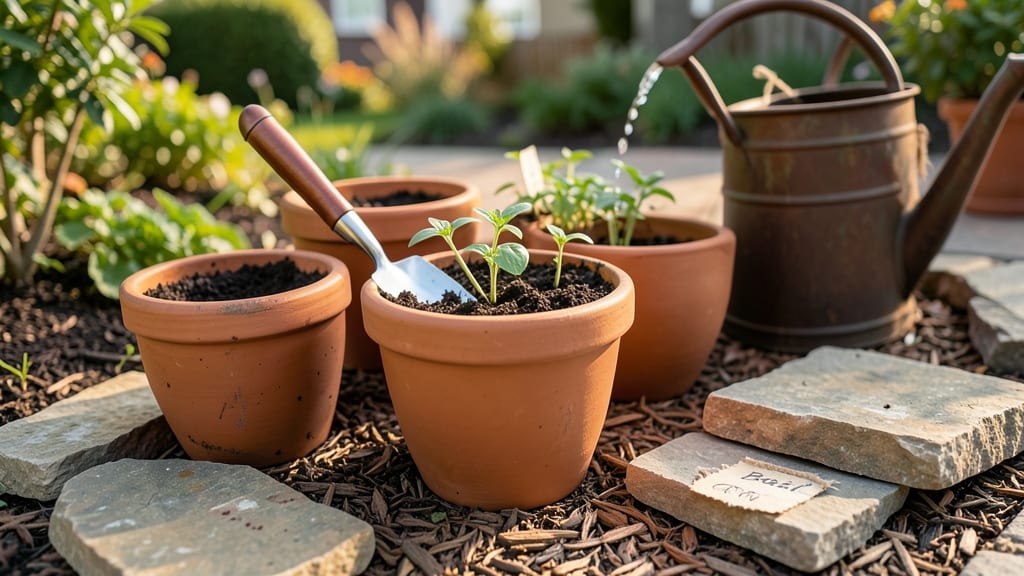
Clay garden pots 🏺 are the secret weapon for keeping plants thriving in summer’s brutal heat—no fancy gadgets or expensive tricks required.
If you’ve ever struggled with overheating plants in summer or struggled to find the right balance between breathability and durability in garden pots, terracotta clay pots could be your game-changing solution—naturally.
These time-tested containers don’t just survive the heat; they regulate it, wicking moisture away from roots while keeping foliage cooler than plastic or metal alternatives.
Below, I’ll walk you through why terracotta outperforms other materials, how to pick the perfect size for your plants, and pro tips to keep your pots looking (and performing) like new for years.
Why terracotta clay pots offer superior heat resistance for plants
Summer heat can turn your garden into a sauna for plants, causing wilting, root rot, or even death if containers don’t regulate temperature properly. That’s where terracotta clay pots shine—they’re not just stylish; they’re scientifically designed to handle extreme heat while keeping roots cool and roots healthy.
Unlike plastic or metal containers, terracotta’s natural properties make it the gold standard for heat resistance in gardening.
The secret lies in terracotta’s porous clay composition. This material absorbs moisture from the soil during the day and releases it slowly as the air cools—a process called thermal mass regulation. This keeps root zones at a stable temperature, even when outdoor temps soar above 90°F (32°C).
For plants like basil, tomatoes, and peppers, which thrive in heat but wilt quickly in plastic pots, terracotta is a game-changer.
Moisture control is another superpower of terracotta. The porous walls allow excess moisture to evaporate, reducing the risk of root rot that plagues sealed containers. This breathability also prevents soil from becoming waterlogged, which is critical during summer downpours or frequent watering. Unlike plastic, which traps heat and moisture, terracotta’s natural ventilation keeps roots oxygenated and cool.
Here’s how terracotta’s properties compare to other materials in a real-world scenario:
| Property | Terracotta Clay Pots | Plastic Pots | Ceramic Pots |
|---|---|---|---|
| Heat Resistance | Excellent (porous, breathable) | Poor (traps heat) | Good (glazed varieties vary) |
| Moisture Regulation | Superior (evaporates excess) | Weak (retains moisture) | Moderate (glazed = less breathable) |
| Root Rot Risk | Low (aerated soil) | High (compacted soil) | Moderate (depends on glaze) |
| Durability in Heat | High (withstands 120°F+) | Low (warps or cracks) | Moderate (glazed cracks easier) |
| Best For | Herbs, veggies, succulents | Shade plants, indoor use | Decorative, glazed plants |
For heat-loving plants like peppers or rosemary, terracotta’s ability to dissipate heat prevents stress that leads to stunted growth or flower drop. Even succulents, which need minimal water, benefit from terracotta’s moisture-wicking properties—preventing the soggy soil that causes rot.
The natural cooling effect extends to the plant’s foliage, reducing leaf scorch in intense sunlight.
One common misconception is that terracotta dries out too quickly. While it’s true that terracotta evaporates moisture faster than plastic, this isn’t a flaw—it’s a feature. The porous nature forces you to water more consistently, which actually strengthens root systems by encouraging deeper growth.
For example, a tomato plant in terracotta will develop a robust root network compared to one in a sealed plastic pot, making it more resilient during heatwaves.
Terracotta’s thermal conductivity also works in your favor during cooler months. While it excels in heat, it doesn’t over-insulate like plastic, allowing roots to stay active in mild winters. This dual functionality makes terracotta pots a year-round investment for gardeners in USDA zones 6-10, where temperature swings are common.
Pair this with a mulch layer on top of the soil, and you’ve created an ideal microclimate for plants.
If you’ve ever watched a plant in a plastic pot wilt dramatically on a 95°F (35°C) day only to recover after sunset, you’ve seen the limitations of non-terracotta containers. Terracotta’s natural thermal balance eliminates this cycle by keeping roots cool and soil aerated.
For summer gardening, especially in arid climates, terracotta isn’t just a preference—it’s a necessity for plant survival.
To maximize these benefits, choose unglazed terracotta for the best breathability. Glazed pots lose some of the moisture-wicking advantages, making them less effective in extreme heat. Pair your terracotta pots with lightweight potting mix (avoid garden soil) to further enhance drainage and airflow.
With the right setup, your plants will stay lush and productive, even when the mercury rises.
Next time you’re shopping for containers, reach for terracotta—your plants (and your summer sanity) will thank you. The science is clear: for heat resistance, moisture control, and root health, terracotta clay pots are unmatched in the gardening world. 🌿☀️🏺
How to choose the best clay garden pots for your plants’ needs
Selecting the right clay garden pots can make or break your container gardening success. Terracotta’s natural porosity and heat resistance make it ideal, but not all pots suit every plant.
For example, succulents thrive in shallow, wide pots, while ferns need deeper, cooler containers. Let’s break down how to match your pots to your plants’ needs—season by season.
Start by assessing your plant’s root system. Shallow-rooted plants like herbs or annual flowers only need 6–8 inches of depth, while deep-rooted tomatoes or roses require 12+ inches. The pot’s diameter should also be 2–3 times wider than the plant’s root ball to prevent overcrowding.
For summer, opt for lighter-colored terracotta to reflect sunlight and keep roots cooler.
Clay Garden Pots: Pros & Cons
✅ Pros
- 🌱 Natural breathability: Porous clay wicks away excess moisture
- ☀️ Heat resistance: Reflects sunlight, keeping roots cooler in summer
- 🪴 Durability: Lasts years with proper care (avoid freezing)
- 🌿 Eco-friendly: Biodegradable and non-toxic
❌ Cons
- 💧 Dries out fast: Requires frequent watering in hot climates
- ❄️ Fragile in freeze-thaw cycles: Cracks if left outside in winter
- 🏺 Heavy when wet: Needs sturdy surfaces or stands
- 🔧 Limited color options: Mostly natural terracotta tones
Pro Tip: For winter, move pots indoors or wrap them in bubble wrap to prevent cracks.
Drainage is non-negotiable with clay pots. Always choose containers with pre-drilled holes at the bottom—even if you’re using a cache pot. Without drainage, roots suffocate from waterlogging, leading to rot.
For plants like orchids or calatheas, which dislike soggy feet, add a layer of gravel or perlite at the bottom to improve airflow. In winter, reduce pot size for cool-season crops like lettuce to retain moisture longer.
Shape matters too! Round pots maximize root space, while square or rectangular pots fit neatly into small spaces and work well for vegetable gardens. For trailing plants like petunias, choose pots with built-in trellises or wider diameters to accommodate sprawling growth.
In summer, position pots where they’ll get morning sun and afternoon shade to balance heat and moisture loss.
Don’t overlook the material grade. Thicker-walled pots (1–1.5 inches) are better for large plants or dry climates, while thinner walls (0.5 inches) suit small herbs or humid areas. For tropical plants like bromeliads, pair terracotta with a pebble tray to increase humidity around the roots.
In fall, transition to darker-colored pots to absorb warmth and extend the growing season for winter greens.
Finally, consider your garden’s aesthetic. Rustic terracotta adds charm to cottage gardens, while glazed clay pots offer modern flexibility. For urban balconies, stackable pots save space, while window boxes create vertical interest.
Whether you’re growing edibles or ornamentals, the right pot isn’t just functional—it’s part of your garden’s story. 🌿