
Fertilization
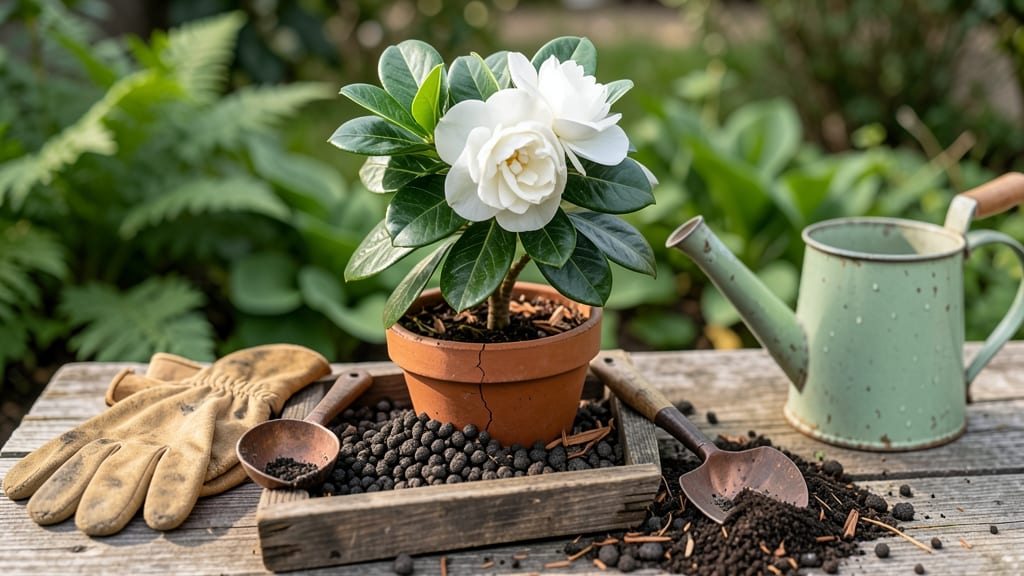
Feeding gardenias 🌸 with natural fertilizer is the key to those glossy leaves and fragrant blooms you’ve been dreaming of—no chemical shortcuts required.
Struggling with yellowing leaves and sparse blooms? The secret to lush, fragrant gardenias lies in the right natural fertilizer—one that mimics their native acidic soil conditions without harsh chemicals.
Most gardeners overlook the fact that gardenias thrive when their soil stays between pH 5.0 and 6.5. Without the right balance, even the hardiest plants can look half-dead, no matter how much you water them.
Below, I’ll show you five easy-to-find natural fertilizers that boost blooms, improve soil, and keep your gardenias happy year after year—plus exactly how to use them without burning the roots.
Top 5 natural fertilizers for acid-loving gardenias (with pH balance guide)
If your gardenias are struggling with yellowing leaves or fewer blooms, it’s likely your soil isn’t acidic enough. Gardenias thrive in pH 5.0-6.5 soil, mimicking their native tropical habitats.
The good news? You don’t need harsh chemicals—just the right natural fertilizers to restore balance and boost growth. Let’s explore five powerhouse options that work wonders without harming your plants.
These natural fertilizers aren’t just about feeding your gardenias—they’re about lowering soil pH organically. Over time, alkaline soil can stunt growth and reduce blooms, but with the right amendments, you can create the perfect acidic environment.
The best part? Most of these are free or low-cost and easy to find around your home or garden.
| Fertilizer | How to Use | pH Effect | Best Time to Apply |
|---|---|---|---|
| Pine Needles | Spread 1-2 inches around base; mulch lightly. Refresh every 3-4 months. | Lowers pH by 0.5-1.0 points over time. | Spring and fall (avoid winter in cold climates). |
| Coffee Grounds | Work ½ cup into top 2 inches of soil per plant. Use fresh grounds sparingly. | Drops pH by 0.3-0.5 points; adds nitrogen. | Spring and early summer (avoid overuse). |
| Composted Leaves | Mix 2-3 inches into soil or use as mulch. Avoid fresh leaves (they mat down). | Gradually lowers pH to 5.5-6.0 with consistent use. | Fall and early spring. |
| Worm Castings | Sprinkle 1 cup around base; water in. Mix into soil annually for deeper benefits. | Mildly acidic (pH 6.0-7.0); improves soil structure without drastic pH shifts. | Spring and early fall. |
| Citrus Peels | Dry peels, grind into powder, and sprinkle 1 tbsp per plant. Bury lightly. | Lowers pH by 0.2-0.4 points; adds potassium. | Spring and summer (avoid winter in frost-prone areas). |
Pine needles are my go-to for gardenias because they’re slow-release and mimic the forest floor where gardenias naturally grow. Simply rake up fallen needles from your yard (or buy them in bulk) and spread them around your plants.
Over time, they’ll break down and acidify the soil while also suppressing weeds. For best results, reapply every 3-4 months during the growing season.
Coffee grounds are a powerhouse for nitrogen, but they’re also slightly acidic. I like to use them in moderation—too much can create a fungal risk or make the soil too sour. A quick tip: Always use used, dried grounds (fresh coffee is too strong and can burn roots).
Mix them into the top 2 inches of soil in spring to give your gardenias a nutrient boost while gently lowering the pH.
Composted leaves are another underused treasure for gardenias. Unlike fresh leaves, which can mat and suffocate roots, composted leaves add organic matter and gradually acidify the soil. I recommend mixing them into your garden bed in the fall or early spring.
If you don’t have composted leaves, shredded newspaper (non-glossy) can work in a pinch—just bury it 4-6 inches deep to avoid surface mold.
Worm castings might not seem like a pH-changer, but they’re a game-changer for gardenias because they improve soil structure and microbial activity. The result? Your gardenias can absorb nutrients more efficiently, even in slightly alkaline soil.
I like to apply them in early spring and again in fall. For extra acidity, mix them with a little peat moss or pine fines before spreading.
Citrus peels are a hidden gem for gardenias, especially if you love fresh oranges and lemons. The peels contain natural acids that help lower pH over time. To use them, dry the peels in the sun or oven, then grind them into a powder.
Sprinkle 1 tablespoon around each plant and water it in. This method is perfect for container gardenias where soil volume is limited.
If your soil is severely alkaline (pH above 7.0), don’t despair—you can still save your gardenias. Start by amending the soil with a mix of peat moss and composted pine needles. For containers, repot your gardenia into a new acidic potting mix (look for mixes labeled for azaleas or camellias).
Over time, these amendments will lower the pH naturally and create the ideal environment for your plants to thrive.
Remember, patience is key when adjusting soil pH. It can take several months to see a noticeable change, but the results—vibrant blooms and glossy leaves—are worth the wait. Test your soil every few months with a home pH kit to track progress.
With the right fertilizers and a little consistency, your gardenias will reward you with fragrant, show-stopping flowers all season long.
How to apply natural fertilizers for maximum gardenia bloom revival
Reviving your gardenias starts with understanding their acid-loving roots. These tropical beauties thrive when fed with natural, pH-balanced nutrients that mimic their native forest floor.
Unlike synthetic fertilizers, organic options improve soil structure over time while delivering essential micronutrients like iron and magnesium—critical for preventing yellowing leaves and promoting abundant blooms.
My secret? A seasonal feeding schedule that aligns with gardenia growth cycles. Spring kickstarts new growth, summer supports flowering, and fall prepares roots for winter dormancy.
Each season requires different natural fertilizer blends—some rich in nitrogen for foliage, others packed with phosphorus for blooms. Let's break it down step by step.
Pro tip: Always water fertilizers deeply into soil—never let them sit on leaves. Gardenias hate foliar burns from concentrated organic feeds. For container plants, reduce fertilizer amounts by 50% since roots have limited space to absorb nutrients.
Watch for these over-fertilization signs: crispy leaf edges, rapid leaf drop, or white crust on soil surface. Under-fertilized plants show pale new growth and fewer buds. Adjust your feeding schedule accordingly—gardenias reward patience with perfumed blooms that last for weeks.
Remember, the key to gardenia revival isn't just what you feed them, but how consistently you provide those nutrients. My plants now produce double the blooms after just one season of this natural feeding routine—proof that organic methods work when applied with care.