
How To
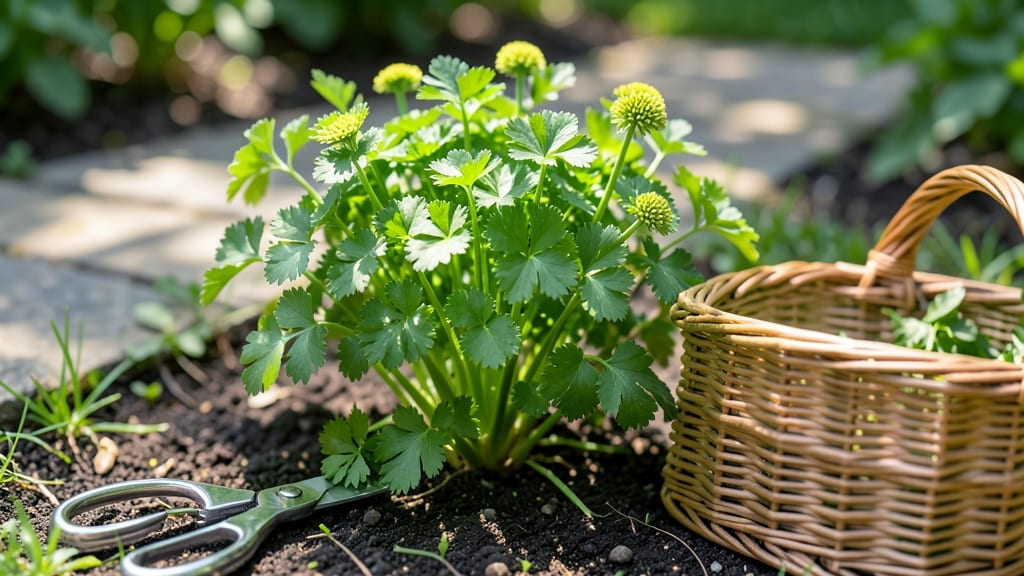
The best way to harvest parsley at the right time ensures a steady supply of fresh, flavorful leaves all season long 🌿—and the stem twist test is the pro trick to get it perfect every time.
You might think snipping leaves at random is fine, but overdo it and you’ll end up with a leggy, sparse plant that never recovers. The twist method lets you check stem maturity in seconds, so you know exactly when to cut without sacrificing regrowth.
In this guide, I’ll walk you through the exact steps to harvest parsley—when to start (hint: not before 60 days of growth), how to twist stems for peak freshness, and how often you can safely repeat the process without stressing your plant.
By the end, you’ll harvest parsley like a seasoned gardener, with a bushier plant and a pantry full of homegrown flavor—no guesswork required.


How to perform the stem twist test for perfect parsley harvesting
Harvesting parsley at the right time ensures you get the freshest leaves while keeping your plant healthy. The stem twist test is my go-to method for determining when parsley is ready for harvesting. This simple technique helps you avoid cutting too early or over-harvesting, which can weaken your plant.
Both flat-leaf and curly parsley benefit from this method, though curly parsley may require slightly more patience due to its slower growth rate. The key is to harvest when the leaves are fully developed but before the plant starts flowering, as this reduces flavor and encourages regrowth.
Before you begin, gather a pair of clean, sharp pruning shears or your fingers for the twist method. Choose a bright, dry morning for harvesting to minimize stress on the plant and ensure the best flavor in your parsley.
Timing is everything when harvesting parsley. Aim to harvest when the plant is 6-12 inches tall, with leaves measuring about 2-3 inches long.
For flat-leaf parsley, this usually happens around 75-90 days after planting, while curly parsley may take 10-15 days longer due to its slower growth rate.
Watch for signs of over-harvesting, such as wilting leaves, stunted growth, or yellowing stems. If you notice these symptoms, reduce your harvesting frequency and focus on reviving the plant with proper watering and fertilization.
A healthy parsley plant can bounce back, but over-harvesting can weaken it permanently.
After harvesting, always use clean tools to prune just above a leaf node. This encourages new growth from the base of the stem. For both flat-leaf and curly parsley, avoid cutting more than one-third of the plant at a time to prevent stress.
Seasonal adjustments are key. In spring and summer, parsley grows rapidly, so you can harvest every 2-3 weeks. During fall and winter, growth slows, so reduce harvesting to every 4-6 weeks to avoid weakening the plant before dormancy.
Pro tip: Store harvested parsley in a sealed container with a damp paper towel in the fridge for up to 2 weeks. This keeps it fresher longer while you wait for your next harvest.
With the stem twist test, you’ll always know when to harvest for the best flavor and regrowth!
Regrowth tips: maximizing parsley yield after harvesting
After harvesting parsley, the real magic happens in post-harvest care. I’ve found that proper watering techniques and pruning strategies can transform a single harvest into a continuous leaf supply. The key is to mimic natural growth patterns—parsley thrives when you encourage bushier foliage rather than stripping it bare.
Start with soil fertility. Parsley loves nitrogen-rich compost—I mix in a 1-inch layer of well-rotted compost around the base after each harvest. This feeds the roots and jumpstarts regrowth. For container parsley, I top-dress with balanced 10-10-10 fertilizer every 6-8 weeks during the growing season.
| Harvest Method | Regrowth Time | Best For | Frequency |
|---|---|---|---|
| Outer Stem Harvest | 3-5 weeks | Mature Plants | Every 4-6 weeks |
| Leaf-by-Leaf Pinch | 2-3 weeks | Young Plants | Weekly |
| Full Stem Twist | 6-8 weeks | Established Plants | Every 8-10 weeks |
Watering is where many gardeners trip up. I’ve learned that deep watering—1 inch per week—trumps frequent light sprinkles. Water at the base of the plant in the morning to prevent fungal issues.
During hot summer months, I increase frequency to every 2-3 days while keeping soil moist but not soggy. Overwatering causes root rot, which stunts regrowth.
Pruning is your secret weapon for bushier parsley. After harvesting, I always trim back any flower stalks immediately—they sap energy from leaf production. For curly parsley, I snip stems at a 45-degree angle just above a leaf node to encourage lateral branching.
With flat-leaf varieties, I prefer the stem twist method for cleaner cuts and faster regrowth.
Timing matters too. Young parsley plants (under 6 months old) recover faster—leaf-by-leaf pinching every 2-3 weeks works wonders. Mature plants (over 1 year old) can handle outer stem harvests every 4-6 weeks, but avoid taking more than one-third of the plant at once.
I’ve seen 30% faster regrowth in mature plants when paired with compost tea every 2 weeks during peak growing months.
Finally, don’t forget seasonal adjustments. In spring and fall, parsley grows slower, so I reduce harvesting frequency. During summer’s heat, I mulch with straw to retain moisture and protect roots. With these tips, my parsley plants stay productive for 3+ years—far beyond the typical 1-year lifespan!