
How To
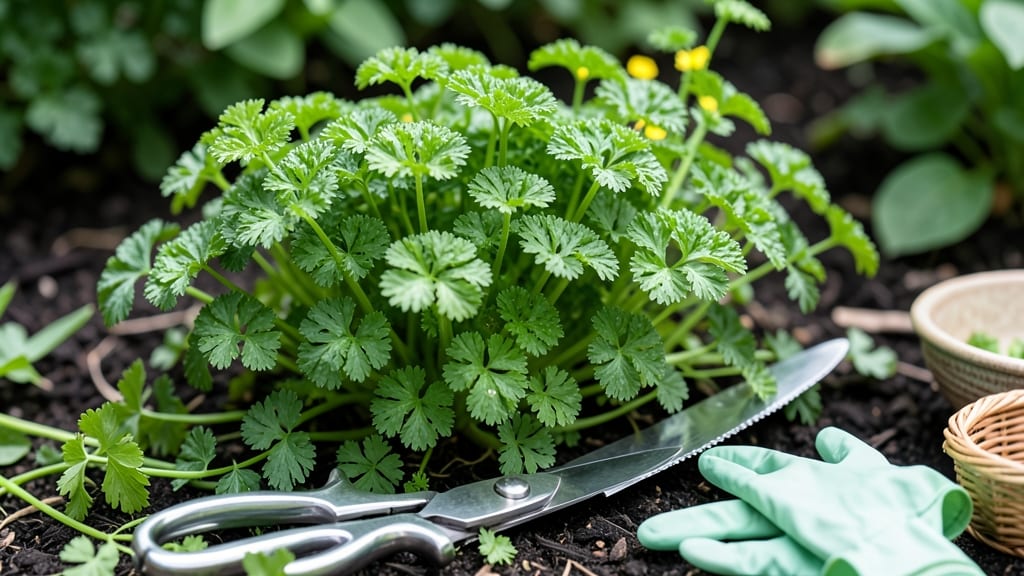
To harvest curly parsley properly, focus on cutting outer leaves at the base when they reach 4-6 inches—this keeps the plant healthy and encourages longer regrowth.
Picture this: you’ve nurtured your 🌿 curly parsley for months, and now it’s time to reap the flavorful rewards. But if you snip the wrong leaves or cut too close to the stem, you’ll stunt growth—or worse, kill the plant.
The secret lies in timing, technique, and knowing exactly where (and when) to make the cut.
Harvesting at the right stage isn’t just about getting fresh herbs for your kitchen—it’s about keeping your parsley bushy and productive. Start with the outer leaves, which are fully mature, and always leave the inner growth intact.
This method ensures your plant stays vibrant and ready for your next recipe.
In this guide, I’ll walk you through three simple cuts that maximize regrowth, when to harvest for peak flavor, and how to avoid common mistakes. By the end, you’ll have a parsley plant that keeps giving—all year long.


3 Best harvesting techniques for curly parsley regrowth
Harvesting curly parsley properly is the secret to a bountiful, long-lasting crop. Unlike many herbs, parsley thrives when you cut it thoughtfully—never by hacking off random leaves. The right technique encourages new growth while keeping your plant healthy and productive.
Whether you're a beginner or seasoned gardener, these three proven methods will maximize your harvest without sacrificing the plant.
Before you grab your pruners or scissors, focus on the outer leaves and stems. This approach protects the plant’s growth center while giving you fresh herbs for months.
Avoid cutting into the woody base or more than one-third of the plant at once—this can shock or even kill your parsley. Let’s dive into the three best techniques for harvesting curly parsley that will keep your plant flourishing.
⚠️ NON-NEGOTIABLE: Always use clean, sharp tools to avoid damaging stems or spreading disease. Disinfect your scissors or pruners with rubbing alcohol before and after use.
How to Harvest Curly Parsley for Maximum Regrowth
-
1The 1-Inch Cut Method
Best for: Regular harvests and maintaining bushy growth
Step 1 Identify outer stems with at least 4-6 mature leaves (dark green, fully curled).Step 2 Use clean scissors to cut the stem 1 inch above the soil line at a 45-degree angle.Step 3 Leave the inner leaves and center stem intact to protect the plant’s growth point. -
2The Diagonal Snip Technique
Best for: Encouraging bushier growth and preventing legginess
Step 1 Select outer stems with 3-5 leaves that are fully mature (not baby leaves).Step 2 Cut the stem diagonally about 1/3 of the way down from the top, leaving a small stub to prevent rot.Step 3 This method stimulates side shoots to grow, creating a denser, fuller plant over time. -
3The Outer-Stem Harvest
Best for: Large harvests without damaging the plant’s center
Step 1 Look for outer stems that are at least pencil-thick with multiple leaf clusters.Step 2 Cut the entire outer stem just above a leaf node (where leaves grow from the stem).Step 3 This method removes old growth while allowing new shoots to emerge from the center.
Timing your harvests is just as important as the technique. Aim to harvest curly parsley every 2-3 weeks during its active growing season (spring through fall). If you notice the plant bolting (sending up a tall flower stalk), it’s past its prime for leaf production.
In this case, harvest the remaining leaves immediately and pull the plant to prevent seed production, which drains the plant’s energy.
After harvesting, rinse your parsley under cool water to remove dirt and pat it
When and how often to harvest curly parsley for maximum yield
Timing your curly parsley harvests is key to keeping your plants productive. Unlike annual herbs that bolt quickly, parsley thrives when harvested at the right growth stages. The ideal time is when leaves reach 4-6 inches and have fully curled.
This usually happens 75-90 days after planting, depending on your climate. Waiting too long risks flowering, which turns leaves bitter and woody.
Season matters too. In spring-planted crops, start harvesting in late May and continue until October. For fall plantings, harvest from October through November before frost. Each season brings different growth rates, so adjust your schedule accordingly.
My spring parsley grows faster in warm soil, while fall varieties mature more slowly in cooler temperatures.
Frequency depends on your parsley’s growth vigor. Young plants or those in partial shade grow slower—harvest every 2-3 weeks to avoid stress. Mature plants in full sun can handle weekly cuts during summer.
Always leave at least half the plant intact to maintain photosynthesis. I’ve found that over-harvesting in hot months causes parsley to bolt prematurely, ruining flavor and yield.
Watch for stress signals like yellowing leaves, stunted growth, or hollow stems. These mean you’re harvesting too aggressively. If you see flower stalks, stop cutting immediately—the plant is shifting energy to reproduction.
Instead, focus on removing outer leaves to protect the center. My fall parsley often shows these signs in late September if I don’t adjust my schedule.
Pro tip: Use sharp scissors or pruners to make clean cuts. Avoid tearing leaves, which damages the plant and invites pests. Always cut just above a leaf node (where leaves branch out) to encourage new growth.
This simple technique has kept my parsley producing for 6-8 months per planting. Store harvested leaves in damp paper towels in the fridge for up to 10 days to maintain freshness.
Remember, curly parsley is a biennial, meaning it often survives winter to produce even larger yields in its second year. By mastering harvest timing and frequency, you’ll enjoy year-round parsley with minimal effort.
Start small, observe your plants, and adjust as needed—your parsley will thank you with lush, flavorful leaves all season long. 🌱