
How To
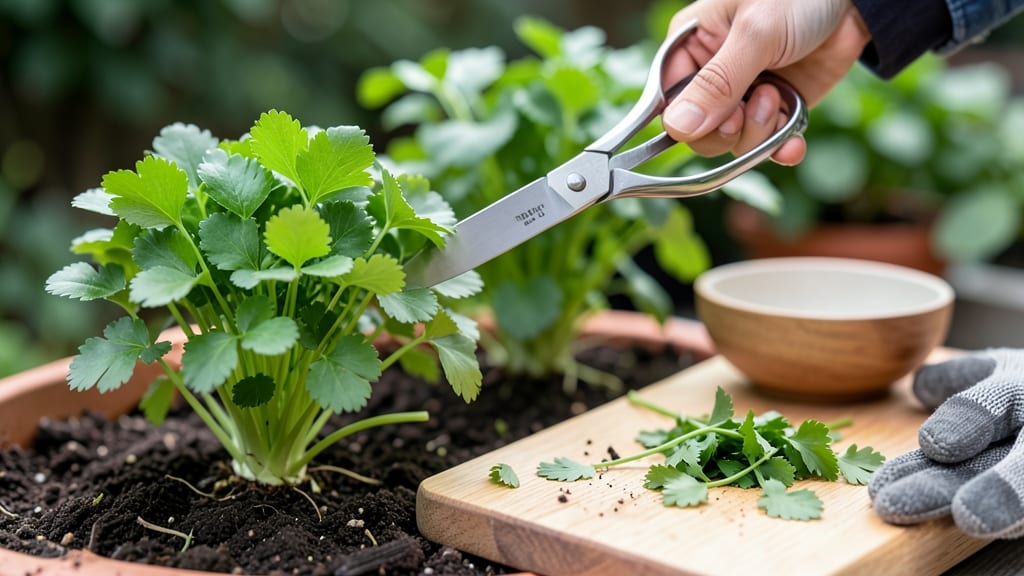
To harvest flat leaf parsley at its peak flavor, focus on timing and technique—cutting too early or too late can turn your fresh herb into a woody disappointment.
Picture this: you’ve nurtured your 🌿 flat leaf parsley all season, and now the stems are thickening, the leaves are tough, and every bite tastes like disappointment. That’s the moment you realize timing matters more than you thought.
Harvesting at the right stage keeps parsley tender, aromatic, and ready for your favorite dishes. The key is knowing when to snip—before the stems harden—and how to cut without stunting regrowth.
In this guide, I’ll walk you through the best times to harvest, the three essential cutting techniques, and how to revive parsley that’s gone past its prime. No more wasted herbs!


When to harvest flat leaf parsley for maximum flavor (and how to avoid woody stems)
Harvesting flat leaf parsley at the right time transforms it from a simple garnish to a flavor-packed herb that elevates every dish. The key lies in understanding when stems become woody—a telltale sign your parsley has overgrown and lost its delicate taste.
I’ve learned the hard way that waiting too long turns those tender leaves into tough, bitter stalks that even a sharp knife can’t save.
Timing your harvest isn’t just about leaf size—it’s about stem texture and seasonal cues. In my experience, parsley reaches peak flavor when leaves are 4-6 inches tall and stems feel firm but flexible, almost like a fresh asparagus spear.
But once those stems harden into wood-like rigidity, the game changes. Your parsley might still look green, but the flavor? Gone.
The ideal harvest window for flat leaf parsley spans from 60 to 90 days after planting, depending on your climate. In warmer regions like USDA Zone 8-10, you can harvest year-round, while cooler zones see peak seasons from June through October.
I’ve found that harvesting in the morning, after dew has dried but before the sun peaks, preserves the most aromatic oils in the leaves.
Overgrowth is the enemy of flavor. When parsley plants mature beyond 18-24 inches tall, they prioritize seed production over leaf growth. This shift triggers woody stem development, where the plant allocates energy to structural support instead of tender foliage.
The result? A bitter, fibrous herb that’s more suitable for broths than garnishes. I’ve seen this happen in my own garden when I neglected regular harvesting—don’t let that be you!
| Stage | Stem Texture | Leaf Appearance | Harvest Action |
|---|---|---|---|
| Early Growth (30-60 days) | Soft, flexible | Small, sparse, light green | Avoid harvesting; let mature |
| Peak Harvest (60-90 days) | Firm but bendable (like asparagus) | Dark green, 4-6" leaves, vibrant | Harvest outer leaves or stems |
| Overgrown (90+ days) | Hard, woody, rigid | Leaves sparse, bitter taste | Prune aggressively or remove |
🌿 Visual Guide: Compare stem textures to harvest at peak flavor
Seasonal considerations play a huge role in parsley’s flavor profile. In spring and fall, when temperatures are mild, parsley grows more slowly and develops sweeter, more tender leaves. I’ve noticed my homegrown parsley tastes almost candy-like in these seasons.
Conversely, summer heat can cause parsley to bolt prematurely, sending up flower stalks and hardening stems faster than expected. If you live in a hot climate, provide afternoon shade and harvest more frequently to keep plants in check.
Here’s my pro tip: Always harvest from the outer leaves first. This encourages the plant to produce new growth from the center while keeping the existing stems tender. I make it a habit to snip just above a leaf node (where leaves branch out) to promote bushier regrowth.
If you’re unsure where to cut, imagine drawing an invisible line between the base of the leaf and the next set of leaves—this is your cutting zone.
One common mistake I see (even among experienced gardeners) is harvesting entire stems at once. This shocks the plant and often leads to woody regrowth. Instead, aim to remove no more than one-third of the plant’s foliage in a single session.
For example, if your parsley has 20 mature leaves, limit yourself to harvesting 7 leaves or stems. This balance keeps your plant productive without triggering that bitter, woody response.
If you’ve already let your parsley get too woody, don’t despair—there’s still hope! In my next section, I’ll share my revival techniques for leggy parsley, including pruning schedules and soil adjustments that can bring back tender growth.
But for now, remember: harvest early, harvest often, and your parsley will reward you with flavor-packed leaves all season long.
For a quick reference, bookmark this harvest timeline: Start checking stems at 60 days, peak harvest at 75 days, and prune back by 90 days if needed. Your taste buds (and future salads) will thank you! ✂️🌿
3 Essential parsley cuts for peak flavor: leaf-only vs. stem-inclusive techniques
Harvesting flat leaf parsley correctly transforms it from a basic garnish to a flavor-packed herb for soups, salads, and sauces. The right cutting technique preserves its delicate taste while encouraging lush regrowth.
Unlike curly parsley, flat leaf varieties develop woody stems faster—so timing and method matter most. I’ve perfected three harvesting cuts that keep my parsley bushy, flavorful, and ready for the kitchen.
Your harvesting tools are just as important as the technique. A sharp pair of scissors or pruning shears (never dull knives!) prevents crushing stems and reduces stress on the plant. Always disinfect your tools with rubbing alcohol to avoid spreading disease.
For leaf-only cuts, I reach for small kitchen shears, while thicker stems need heavier-duty pruners. Work in the morning after dew dries—this gives leaves time to dry slightly, reducing moisture loss.
How to Harvest Flat Leaf Parsley
- 1 Leaf-Only Snip: Pinch or cut individual outer leaves at the base. Avoid stems entirely—this preserves the plant’s energy for new growth. Ideal for weekly maintenance and gentle harvesting.
- 2 Stem-Inclusive Cut: Trim 3-4 inches from the outer stems, leaving 2-3 inner leaves attached. Angle cuts at 45 degrees to increase surface area for faster healing. Best for larger harvests every 2-3 weeks.
- 3 Regrowth Prune: Cut 1/3 of the plant at soil level when stems thicken. This forces bushier regrowth and prevents woody texture. Use this method once per season—typically in early spring or late summer.
Pro Tip: Always harvest before flowering—parsley’s flavor diminishes by 50% once it bolts. 🌿
The leaf-only snip is my go-to for daily kitchen use because it keeps parsley tender and flavorful indefinitely. By targeting only mature outer leaves, you encourage the plant to focus energy on new growth rather than thickening stems.
I’ve found that parsley harvested this way stays bright green and aromatic for up to 2 weeks in the fridge—far longer than stem-inclusive cuts.
For large batches, like prepping for winter soups, the stem-inclusive cut works best, but be sure to use those stems in stews or pestos where their slightly tougher texture won’t be noticeable.
If your parsley starts developing hard, woody stems, it’s time for a regrowth prune. This aggressive cut might seem drastic, but it’s the only way to reset the plant’s growth cycle. After pruning, increase watering slightly and add a balanced fertilizer (like 10-10-10) to support the recovery.
Within 3-4 weeks, you’ll see fresh, tender shoots emerging from the base—ready for another round of harvesting. Just avoid this method in late summer, as new growth may not mature before frost.
Remember, consistency is key—parsley responds best to regular, gentle harvesting rather than occasional heavy cuts. I harvest mine every 7-10 days during peak growing months, always leaving at least half the plant intact.
This rhythm ensures a continuous supply of fresh leaves while keeping the plant compact and flavorful. With these techniques, my parsley thrives year-round, even in USDA Zone 6a where winters can be harsh.
Now that you’ve mastered the cuts, store harvested parsley properly: wrap stems in a damp paper towel, place in a sealed bag, and refrigerate for up to 2 weeks.
For long-term storage, freeze leaves in ice cube trays with water or olive oil—perfect for future cooking. Happy harvesting! ✂️