
How To
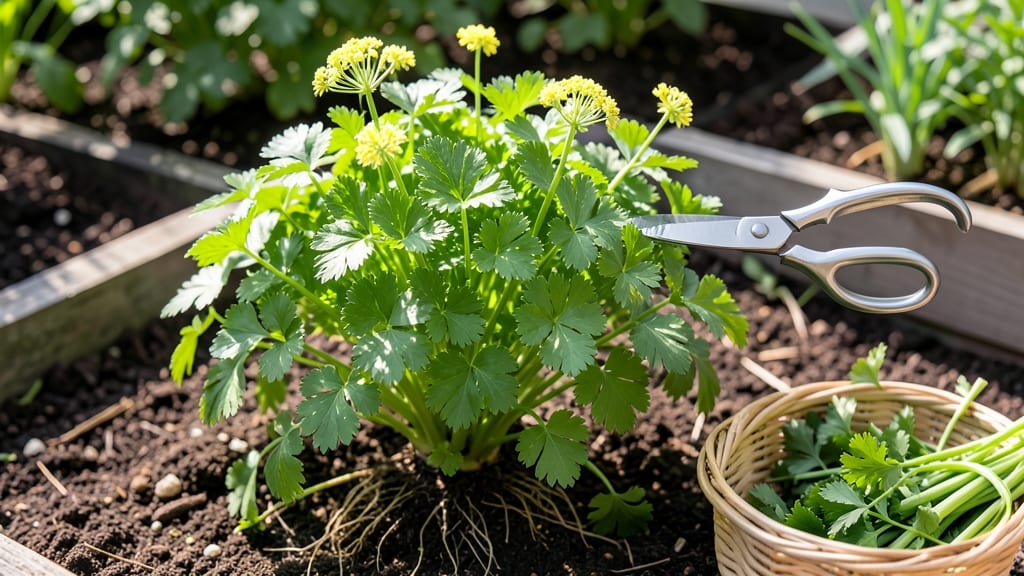
To harvest parsley so it keeps growing, focus on trimming outer leaves while leaving the inner stems intact—this simple technique ensures your 🌿 parsley stays lush and productive for months.
Struggling to keep your parsley thriving despite frequent harvesting? The secret to a never-ending supply of fresh parsley lies in mastering the right trimming technique—one that encourages bushier growth while preventing woody stems.
Most gardeners make the mistake of cutting too close to the base or harvesting too aggressively, which stresses the plant and slows regrowth. Instead, aim to remove only one-third of the foliage at a time, always targeting mature outer leaves while preserving the center.
In this guide, I’ll walk you through the exact cutting method, the best times to harvest, and how to care for your parsley so it stays vibrant and productive—even after multiple harvests.


The correct parsley harvesting technique to encourage regrowth
Parsley is one of those herbs that seems simple to grow—until you start harvesting it regularly. Many gardeners make the mistake of cutting too aggressively, which leads to leggy stems and stunted growth.
The key to a continuous parsley harvest is using the right technique that stimulates new growth while preserving the plant's energy. I’ve learned through trial and error that timing, stem selection, and proper tools make all the difference.
When you harvest parsley correctly, you’ll encourage the plant to branch out and produce more leaves rather than just a single woody stem. This method works for both flat-leaf and curly parsley, though curly varieties tend to be slightly more delicate.
The goal is to mimic natural pruning—removing older leaves while leaving the younger, more vigorous growth intact.
-
Step 1: Wait for maturity
Harvest only when leaves reach 4-6 inches tall and are fully developed. Younger leaves lack flavor and won’t regrow as robustly. -
Step 2: Choose the right stems
Select outer stems that are 1/4 to 1/2 inch thick. Avoid cutting the central stem unless the plant is overgrown. -
Step 3: Use clean, sharp tools
Use pruning shears or a sharp knife (not your fingers!). Dull tools crush stems, inviting disease. -
Step 4: Cut at a 45-degree angle
Make cuts 1-2 inches above a leaf node (where leaves meet the stem). This encourages new shoots to grow from that point. -
Step 5: Never remove more than 1/3
Limit harvests to 30% of the plant at one time. Over-harvesting stresses parsley and reduces future yields. -
Step 6: Harvest in the morning
Pick leaves early in the day when moisture levels are high. This preserves flavor and reduces stress on the plant. -
Step 7: Fertilize after harvesting
Apply a balanced fertilizer (5-10-10) 2-3 days post-harvest to replenish nutrients. Use 1 tbsp per plant in early morning.
Seasonal timing plays a crucial role in parsley regrowth. In spring and fall, when temperatures are mild, parsley recovers quickly from harvesting. However, during hot summers, the plant may struggle to regenerate if you harvest too frequently.
I’ve found that July and August require more caution—cut back only on mature outer leaves and avoid heavy pruning.
Another pro tip: Rotate your harvesting zones. If you have multiple parsley plants, alternate which ones you harvest from each week. This prevents over-stressing any single plant and ensures a steady supply throughout the growing season.
For container-grown parsley, be extra gentle—roots are more confined, so limit harvests to every 2-3 weeks.
After harvesting, always rinse the leaves in cool water to remove dirt and pests, then pat dry with a paper towel. Store them in a perforated plastic bag in the fridge for up to 10 days.
But here’s the real secret: fresh parsley tastes best when used within 3 days of harvesting, so try to cook with it as soon as possible!
If your parsley starts looking leggy or sparse after harvesting, it’s time to prune for bushiness. Cut back the tallest stems by half to encourage lateral growth. This technique works especially well for second-year parsley, which often becomes woody.
Just remember: patience is key—parsley is a slow grower, but with the right care, it’ll reward you with months of harvests.
Finally, always keep an eye out for yellowing leaves or stunted growth, which can signal over-harvesting or nutrient deficiencies. A quick soil test and a light feeding of compost can often revive a struggling plant.
With these techniques, you’ll have parsley on demand all season long—no more sad, bare stems!
Common harvesting mistakes that kill your parsley’s growth
Harvesting parsley wrong can turn your lush herb garden into a sad, leggy mess—fast. I’ve seen parsley plants go from vibrant to woody in just weeks because of simple mistakes. The key is understanding what stresses your plant and how to avoid it.
Over-trimming, cutting the wrong stems, and harvesting at the wrong time are the top culprits. Let’s break down these mistakes so you can keep your parsley thriving all season.
One of the biggest mistakes is cutting too much at once. Many gardeners assume more frequent harvesting means more leaves, but parsley is delicate. Removing more than one-third of the plant in a single session shocks the roots and stunts growth.
I’ve learned the hard way—my parsley took months to recover after I overzealous trimmed it for a big recipe. The plant needs energy to regrow, and aggressive cuts leave it struggling.
Another critical error is cutting stems too close to the base. When you snip the main stem flush with the soil, you remove the plant’s growth points. This forces parsley to grow from lower buds, which often results in woody stems and fewer leaves.
Always leave at least 1-2 inches of stem above the soil to encourage new shoots. I now use a ruler to mark my cuts—it’s a small habit that makes a huge difference.
⚠️ How to Harvest Parsley So It Keeps Growing
❌ Mistake: Cutting stems too close to the base or removing more than 1/3 of the plant at once. ✅ Fix: Always leave 1-2 inches of stem and harvest outer leaves first. Use clean, sharp scissors to avoid damaging the plant.
❌ Mistake: Harvesting in extreme heat or cold. ✅ Fix: Pick leaves in the morning after dew dries when temps are mild (60-75°F). Avoid harvesting when soil is waterlogged or frozen.
❌ Mistake: Ignoring seasonal growth cycles. ✅ Fix: Reduce harvesting in late summer to prevent bolting. Focus on leaf regrowth in spring and fall when growth is most vigorous.
Timing your harvest is just as important as how you cut. Many gardeners make the mistake of harvesting parsley during peak heat or cold snaps. Stress from temperature extremes slows regrowth. I now only harvest when temperatures are between 60-75°F—early morning is ideal.
The plant recovers faster, and the leaves stay fresher longer. If you must harvest in hot weather, do it in the late afternoon shade to minimize stress.
Seasonal mistakes are another silent growth killer. In late summer, parsley often starts bolting (sending up flower stalks) if over-harvested. Once it bolts, the leaves become bitter and tough. I’ve found that cutting back on harvesting in July and August gives my parsley a chance to recover.
Focus on leaf regrowth in spring and fall when the plant is most vigorous. A little patience goes a long way!
Finally, using dull or dirty tools can damage your parsley more than you think. Jagged cuts from rusty scissors tear leaves and invite disease. Always use clean, sharp pruners or kitchen shears.
I keep a small bottle of rubbing alcohol handy to wipe down my tools between cuts. A little prevention keeps your parsley healthy and productive for years.
By avoiding these common mistakes, your parsley will stay bushy, leafy, and ready for harvest all season. The key is patience and precision—small, thoughtful cuts lead to big rewards in your garden. Happy harvesting! 🌿