
Tools
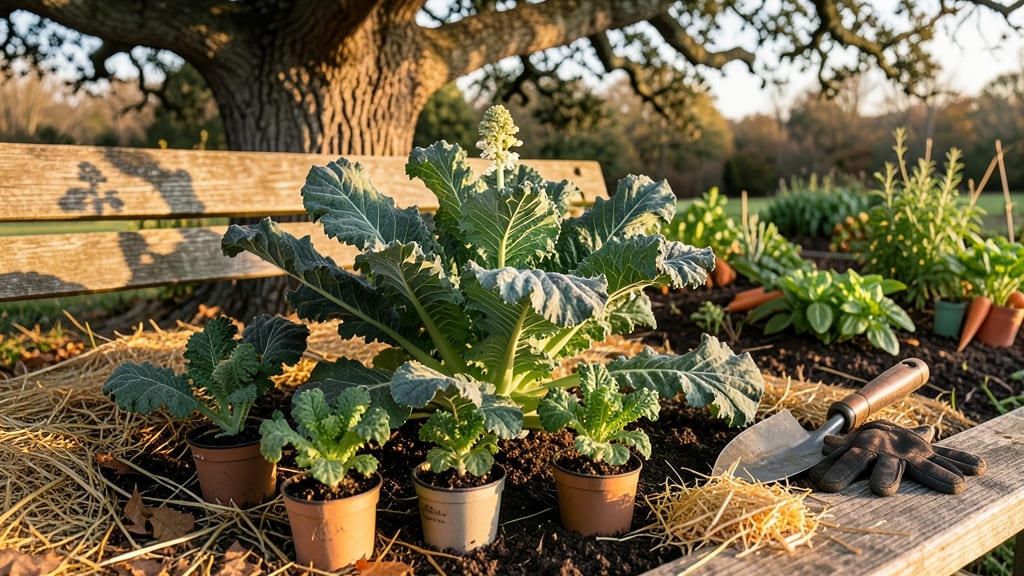
Starting a fall garden 4-6 weeks before your first frost is the secret to a harvest that lasts through winter 🌱 — but if you plant too early or too late, you’ll either bake your seedlings or watch them shiver away before they mature.
Timing is everything in gardening—especially when it comes to fall planting, where a single missed deadline can mean the difference between a thriving harvest and wasted seeds.
But with USDA hardiness zones stretching from Alaska to Florida, figuring out exactly when to start your fall garden can feel like solving a puzzle without the picture.
Most gardeners in Zone 6a (like me!) have a late August to mid-September window to get cool-season crops like kale, carrots, and spinach in the ground. The key is working backward from your first frost date—October 15 in my area—and counting the days each crop needs to mature.
Below, I’ll break down the exact deadlines for your zone, how to prep your soil for cooler weather, and the 3 most common mistakes that derail fall gardens before they even begin. Let’s make sure your seeds don’t become a lesson in what not to do.
Fall planting deadlines by USDA hardiness Zone: exact weeks to start
Fall gardening thrives on precision—plant too early, and your crops bolt in the heat; too late, and frost ruins your harvest. The key lies in understanding your USDA hardiness zone and aligning planting with soil temperatures and first-frost dates.
Cool-season crops like kale, carrots, and spinach need 4-6 weeks to mature before winter sets in, but the exact timeline varies wildly from Zone 3 (Alaska) to Zone 10 (Florida).
For example, in Zone 3, where first frosts can hit as early as September 15, you’ll need to start seeds indoors by July 15 for a late-summer transplant. Meanwhile, in Zone 10, with mild winters, you might direct-sow broccoli or cabbage until November 1.
The difference? Up to 12 weeks in planting windows. Let’s break it down zone by zone so you never miss your fall harvest deadline.
Notice how soil temperature thresholds shift with each zone? In Zone 3, your soil must cool to 50-60°F before sowing spinach, while Zone 10 gardeners can wait until soil drops to 65-75°F.
Use a soil thermometer to confirm—cool-season crops won’t germinate in warm soil. Pro tip: In Zones 5-8, aim to transplant broccoli or cabbage by August 15 to ensure a harvest before hard frosts.
For direct sowing, timing is even tighter. In Zone 6, sow carrots by August 15 for a harvest before October 1 frost, but in Zone 9, you’ve got until October 15. The trick?
Calculate your crop’s days to maturity and subtract 4-6 weeks from your first frost date. For example, bush beans (50 days to harvest) need to be in the ground by September 1 in Zone 7.
Don’t overlook transplanting deadlines, either. Seedlings like kale or brussels sprouts need time to establish roots before winter. In Zone 4, start them indoors by July 1 and transplant by August 1.
Skip this step, and your plants will struggle to survive the cold. Use row covers or cold frames to extend your window in Zones 3-5 by 2-3 weeks.
One common mistake? Assuming all cool-season crops have the same timeline. Leafy greens like lettuce mature in 30-40 days, while root crops like beets take 50-60 days.
Plan accordingly—sow fast growers like radishes (25 days) later in the season (e.g., September 15 in Zone 6) for a quick harvest before frost.
If you’re in a transition zone (e.g., Zone 7
How to calculate your local fall planting window (even without exact dates)
Figuring out the perfect time to start your fall garden doesn't require memorizing frost dates—just a few simple calculations using tools you already have. The key is understanding your local climate patterns and how they align with your chosen cool-season crops.
Even if you don’t know your exact last frost date, you can estimate it using the USDA Plant Hardiness Zone Map and your region’s historical averages.
Start by identifying your USDA hardiness zone (find it here: [USDA Zone Map](https://planthardiness.ars.usda.gov/)). This tells you your average minimum winter temperature, which directly impacts your planting window. For example, Zone 5 gardeners typically plant 4-6 weeks before their first frost, while Zone 8 gardeners have a longer window.
The next step? Adjust for your specific location’s microclimate—urban areas, hilltops, or valleys can shift frost dates by 1-3 weeks.
- 1 Find your USDA hardiness zone and note your average first frost date. Use local agricultural extension offices for precise data if needed.
- 2 Check the maturity days for your chosen crops (e.g., kale needs 50-60 days, carrots 60-80 days). Subtract this from your frost date to get your planting deadline.
- 3 Test your soil temperature—most fall crops thrive when soil is between 40°F and 70°F. Use a soil thermometer or wait until nighttime temps stay below 80°F.
- 4 Adjust for local microclimates. Areas near water or with urban heat islands may have later frosts. Observe nearby gardens or ask local gardeners for insights.
- 5 Plant fast-maturing crops (like radishes or lettuce) first, followed by slower growers (broccoli or spinach) 2-3 weeks later.
Don’t overlook soil preparation—fall gardens thrive in well-draining, nutrient-rich soil. Amend your beds with compost or aged manure 2-3 weeks before planting to give roots time to establish.
If your soil feels cold or compacted, consider using black plastic mulch to warm the ground and suppress weeds, giving your plants a head start.
For extra precision, consult your local cooperative extension service—they often provide free frost date calculators and planting charts tailored to your county. Many also host workshops on seasonal gardening, where you can ask specific questions about your region’s quirks.
Pro tip: Bookmark their website now—you’ll thank yourself when frost sneaks up earlier (or later) than expected!
Remember, the goal isn’t perfection—it’s adaptation. Even if your timing is off by a week, most cool-season crops can handle light frosts. Start with hardy varieties like kale or swiss chard, which often taste sweeter after frost, and use row covers to extend your harvest into winter.
Happy planting!