
Planting
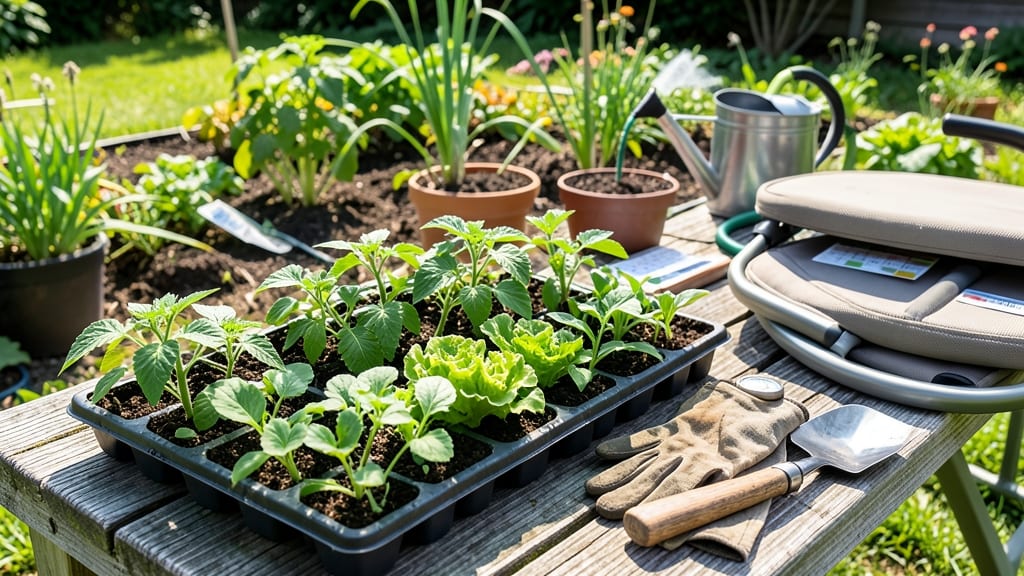
Planting your vegetable garden in Oklahoma at the right time means the difference between a bountiful harvest and a sad pile of wilted seedlings 🥕.
Oklahoma’s unpredictable weather can make or break your vegetable garden—planting at the wrong time means wasted seeds and stunted growth. But with the right timing, you can enjoy a thriving garden from spring to fall.
For USDA Zones 6b-7a, cool-season crops like lettuce and peas should go in the ground 4-6 weeks before your last frost—usually by late February to early April. Warm-season favorites like tomatoes and peppers, however, need to wait until 2-3 weeks after that last frost date, typically mid-April.
In this guide, I’ll break down the best planting windows for every season, region-specific tips, and how to adjust for Oklahoma’s wild swings from frost to heatwaves—so you can grow like a pro.
Oklahoma planting zones: when to start seeds and transplants by region
Oklahoma spans USDA Zones 7a/7b and 8a, which dramatically affects your planting timeline. In Zone 7a (northwest/north-central), average last frost dates fall between March 15-25, while Zone 8a (southeast) sees frost as late as April 10-15.
These differences mean your cool-season crops can start 4-6 weeks earlier in the south than the north.
For warm-season vegetables like tomatoes and peppers, wait until soil temperatures reach 60°F+—typically 2-3 weeks after last frost.
In Zone 7a, this often means mid-April, while Zone 8a gardeners can plant late March for early harvests. Direct sowing vs. transplanting also varies: cold-hardy lettuce can go in early February under row covers, while eggplants need warmer soil and should wait until May.
In Zone 7a, I always start cool-season seeds indoors in mid-February for broccoli and cabbage, then transplant them 4 weeks before last frost.
For Zone 8a, I push it earlier—late February for spinach and kale—since the ground thaws sooner. Heat-loving crops like okra and sweet potatoes thrive in Zone 8a’s longer growing season and can even handle light frosts if mulched.
One of my biggest mistakes was planting tomato seedlings too early in Zone 7a. They bolted from cool soil and stunted.
Now, I wait until soil temps hit 65°F+—usually mid-April—and use black plastic mulch to warm the soil faster. Transplants like peppers and eggplants also need warmer nights, so I hold off until May in cooler microclimates.
For fall planting, Oklahoma’s second growing season is a game-changer.
In Zone 7a, I direct-sow radishes and turnips as early as August 15, while Zone 8a gardeners can extend harvests until November with cold frames. Succession planting every 2 weeks ensures a steady supply of leafy greens like arugula and mustard greens.
If you’re in Zone 7a, prioritize early-maturing varieties of tomatoes (like ‘Early Girl’) to avoid fall frosts.
In Zone 8a, you can afford heirloom varieties with longer days to ripen. Drought-tolerant crops like black-eyed peas and sweet corn are also safer bets, as Oklahoma’s summers can bring 90°F+ heat and limited rainfall.
Pro tip: Use a soil thermometer to track 60°F+ soil temps for warm-season crops. In Zone 7a, I’ve seen 2-3 week delays in spring planting due to unpredictable cold snaps. Always have backup seeds ready—Oklahoma’s weather is <
Best vegetables to plant in Oklahoma’s spring and fall seasons
Oklahoma’s spring and fall seasons offer the perfect windows for growing a bountiful vegetable garden.
With the right crops, you can enjoy fresh produce from early spring through late fall. Cool-season crops like lettuce and peas thrive in spring, while heat-loving varieties like tomatoes and peppers shine in summer and early fall.
Timing is everything in Oklahoma’s variable climate. Planting too early risks frost damage, while waiting too long can lead to heat stress. By focusing on seasonal succession planting, you can extend your harvests and make the most of Oklahoma’s 180-220 frost-free days.
Let’s explore the best vegetables for each season and how to maximize your garden’s potential.
- Lettuce, Spinach, Kale – Cool-season leafy greens that tolerate light frost
- Peas, Radishes, Carrots – Fast-growing root and pod crops for early harvests
- Onions, Garlic – Plant in fall or early spring for long-term storage
- Tomatoes, Peppers, Eggplants – Heat-loving crops that thrive in Oklahoma’s summer sun
- Green Beans, Corn, Cucumbers – Fast-growing warm-season favorites for summer harvests
- Okra, Sweet Potatoes – Drought-resistant tropical crops for extended heat
- Broccoli, Cauliflower, Brussels Sprouts – Cool-season brassicas for late harvests
- Kale, Swiss Chard, Mustard Greens – Cold-hardy greens that sweeten with frost
- Turnips, Beets, Radishes – Quick-growing root vegetables for fall tables
- Sow lettuce and radishes every 2 weeks in spring for continuous harvests
- Replace bolting greens with new seeds in late summer for fall production
- Use row covers to extend early spring or late fall growing seasons
For spring planting, focus on cool-season crops that can handle Oklahoma’s early chills. Lettuce, spinach, and peas are excellent choices, as they mature quickly before the heat sets in. I always plant my lettuce in late February under row covers to protect tender seedlings from unexpected frost.
When summer arrives, shift to heat-tolerant vegetables like tomatoes and peppers. These plants thrive in Oklahoma’s hot, dry conditions and can produce abundantly if given enough water and mulch. I recommend starting tomato seeds indoors in March and transplanting them after the last frost for a head start.
Fall is another golden opportunity for gardening in Oklahoma. Plant broccoli and kale in August to enjoy harvests before the first frost. These cool-season crops not only survive light frosts but often taste sweeter after a light freeze.
Don’t forget to succession plant fast-growing crops like radishes every few weeks for a steady supply.
To make the most of Oklahoma’s extended growing season, I use succession planting to keep my garden productive year-round. By staggering plantings every 2-3 weeks, I ensure a continuous harvest of leafy greens, root vegetables, and herbs.
This method also helps prevent pests and diseases by avoiding large monocultures.
Remember, Oklahoma’s microclimates vary—what works in Tulsa may differ from the Oklahoma City area. Always check your local last frost date and adjust planting times accordingly. With the right crops and timing, you can enjoy a thriving vegetable garden from spring through fall.